Crypto & Web3 news for Wednesday, 9 September 2026
Publisher items dated Wednesday, 9 September 2026, grouped by their original publication date in UTC. Open the source for the full report and its later updates.
XRP is trading around $1.42 after a sharp recovery from the August lows near $1.00. The rebound has shifted the short-term structure back to the upside, but much like other major crypto pairs, Ripple’s price is also trapped below a major resistance area, making the next breakout or rejection particularly important. XRP Price Analysis: The …
Bitcoin is trading near $79K after a sharp recovery from the $60K area, but the latest price action suggests that momentum is losing some steam beneath a major resistance zone. Meanwhile, adjusted SOPR has rebounded above 1, pointing to improving on-chain profitability, although the short-term price structure still requires a breakout for the recovery to …
Bitcoin holders who need cash do not necessarily have to sell their BTC. They can borrow against it instead, keeping exposure to Bitcoin while using its value as collateral for a loan. The complication is that the loan they want may exist on another network. Many blockchain lending applications run on Ethereum, which keeps its …
LAPTOP swung from $190 to under $4 within minutes of opening on Base. Onchain records show tokens had been distributed to market makers for a week before trading began.
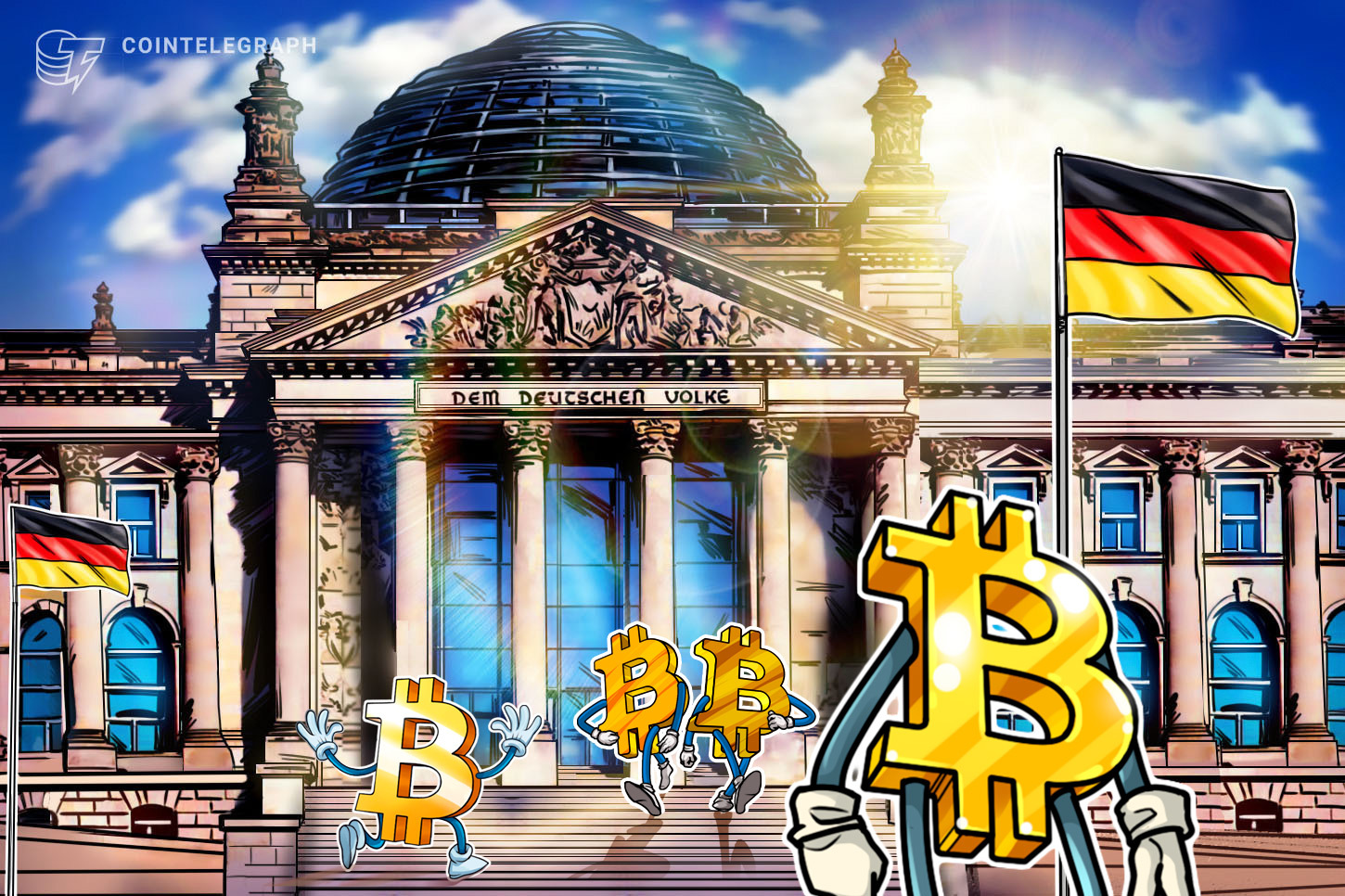
The German Ministry of Finance is reportedly seeking to impose a 25% tax on cryptocurrencies, departing from current laws that make crypto gains tax-free after one year of holding. The German Federal Ministry of Finance reportedly issued a draft proposal to transition cryptocurrency trading profits to the standard 25% flat-rate tax starting in 2028. The ministry’s proposal would apply to all crypto assets acquired after Jan. 1, 2027, according to a draft proposal seen by local news outlet Die Welt on Wednesday. The draft also proposes grandfathering protections, meaning that digital assets bought before this deadline may be treated under the old taxation rules.
From the whereabouts of the CryptoQueen to a mysterious death involving a DeFi builder paranoid about the “pedo elite,” here are 10 crypto mysteries that still have no good answer. In an industry built on transparency and verifiability, newcomers might assume that crypto and blockchains leave very little room for mystery. They’d be completely wrong of course, because the murky world of digital assets is rife with underhanded dealings, unsolved enigmas and fortunes disappearing behind pseudonyms. From the identity of Bitcoin’s mystery creator to what really happened to a DAI developer on a beach in Puerto Rico, here are 10 crypto mysteries that remain unsolved.
BitMart provided no asset figures or withdrawal timetable and will launch a feedback portal within five working days during a financial adviser review. BitMart appointed Alvarez & Marsal as its financial adviser on Wednesday, its self-imposed Sept. 9 deadline for an update, but did not publish the restructuring and business resumption roadmap it said it was developing. Alvarez & Marsal will work with BitMart’s legal advisers to evaluate the exchange’s assets, financial position, stakeholder issues and possible paths forward, according to Wednesday’s announcement. The review will also consider proposals from unidentified third parties, BitMart said on X. BitMart said it will deploy a dedicated web portal within five working days to collect user feedback on its action plan and future directi…
Privacy-preserving identity verification systems could allow individuals to prove only what a service needs to know while keeping the underlying information under their control, writes Coin Center’s Laz Pieper.
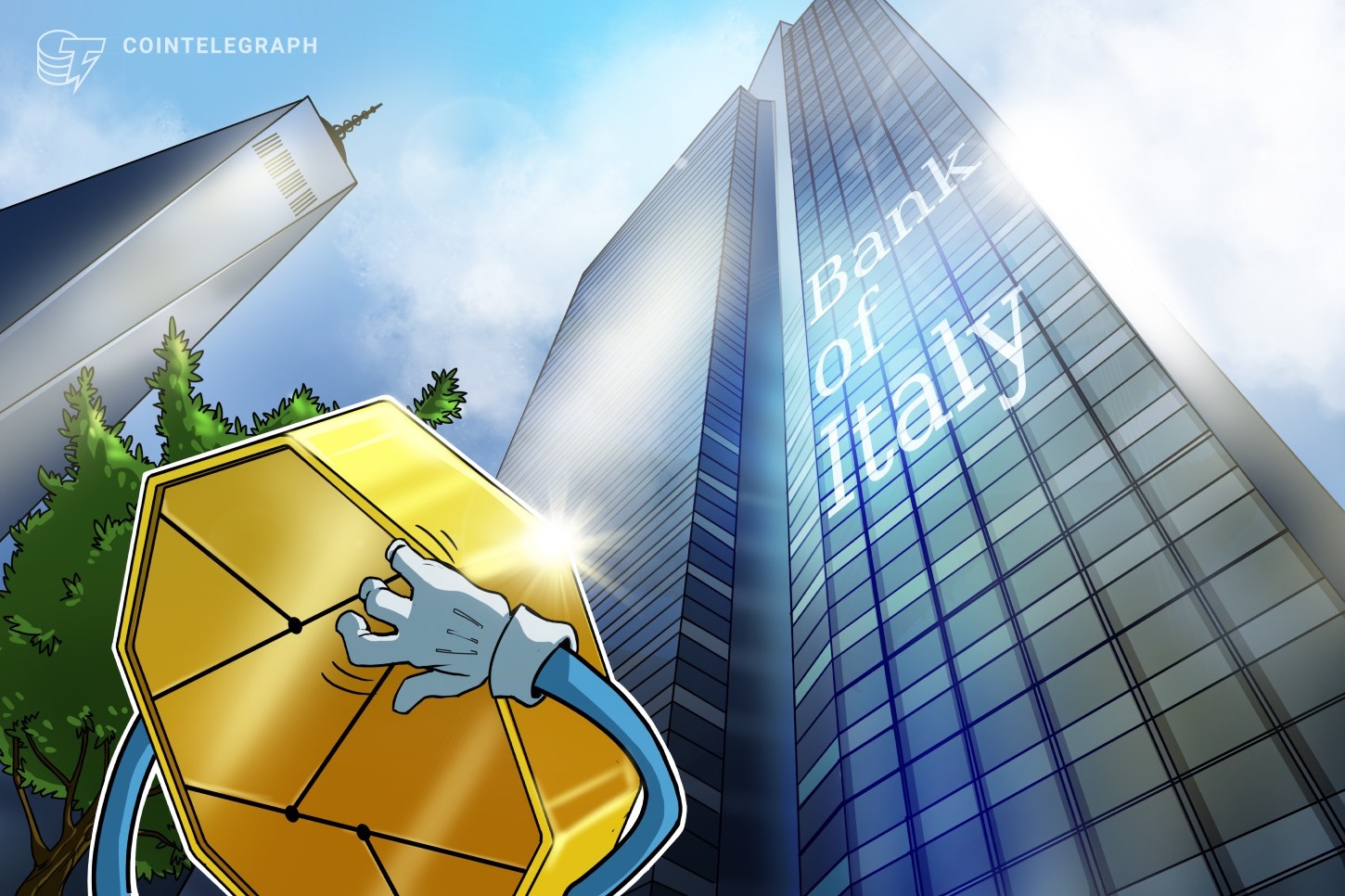
Banca d’Italia ordered crypto service providers to implement internal controls to screen for crypto transfers tied to sanctioned entities. Italy’s central bank, Banca d’Italia, ordered mandatory sanctions screening for cryptocurrency transfers to help curb illicit flows across the EU. The bank said that crypto asset service providers (CASPs) must put policies and internal controls in place to enforce EU financial sanctions when processing crypto transfers, according to a Monday announcement. The central bank said that CASPs should strive to ensure adequate controls to identify customers and transactions linked to sanctioned entities.