
Morning Minute: Binance Hack Leads to Mass Outflows While FBI Opens Probe
Uptober was far from it, with the Binance hack punctuating a red month. Will November be better? Or will the Binance hack hang over crypto?
Publisher items dated Monday, 2 November 2026, grouped by their original publication date in UTC. Open the source for the full report and its later updates.
Uptober was far from it, with the Binance hack punctuating a red month. Will November be better? Or will the Binance hack hang over crypto?
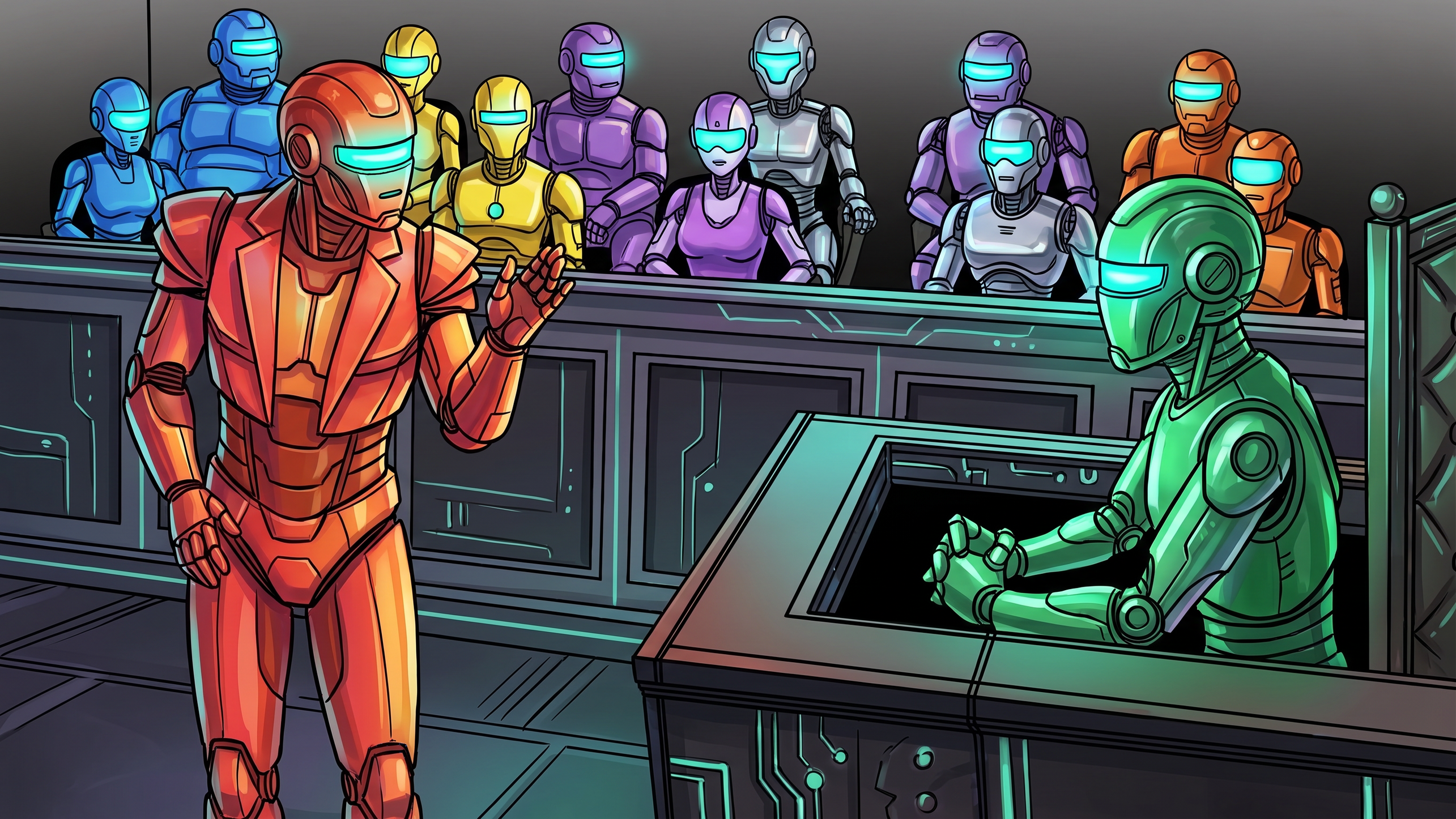
Who better to judge a dispute between AI agents than a jury of different AI models? That’s the idea behind GenLayer, which is already issuing thousands of judgements each day. The world is headed towards a future in which AI agents will trade stocks and crypto, shop for your family, and much more. But what happens when a bot misinterprets an instruction to buy $10K of “blue chip stocks” and instead buys $10K of Bluebird-brand frozen chips? Low-level agent disputes like this aren’t suited to the expensive and time-consuming existing legal system. Enter Internet Court, a new protocol that enables agents and humans to enter into contracts, with funds kept in escrow until the terms are judged to have been met. The dispute resolution mechanism baked into the process employs GenLayer, an open, d…
Binance’s SAFU Bitcoin wallet now holds about 7,500 BTC after a 7,499 BTC transfer linked to the hack, with no timeline for restoring the $1 billion fund. Binance’s publicly disclosed emergency Bitcoin wallet held roughly half its previous balance on Monday after the exchange tapped its user protection fund to cover losses from Thursday’s $6.3 billion hack. The exchange confirmed a transfer of 7,499 Bitcoin (BTC) on Saturday, linking it to the partial deployment of its Secure Asset Fund for Users (SAFU). As of Monday, the wallet held about 7,500 BTC, worth $583 million, down from about 15,000 BTC before the transfer.

The Bitcoin treasury firm also spent $208.2 million buying back its STRC preferred stock, cutting its USD Cash balance to $132.7 million.
The company's weekly accumulations have declined sharply in terms of USD value.
XRP price turns bullish as Ripple re-locks $875M in escrow, ETF holdings climb, and institutional demand grows. Could XRP reach $10,000?
Saylor hinted at a new BTC purchase yesterday at X.
The watchdog has not named the jurisdictions under review. Initial findings on compliance with its crypto standards are due in June 2027. The Financial Action Task Force (FATF) is launching a targeted review of jurisdictions with significant crypto activity to address gaps in how governments apply global anti-money laundering standards. On Friday, the FATF, an intergovernmental body that sets global standards to combat money laundering, announced that the review would focus primarily on jurisdictions with “materially important” virtual asset service provider (VASP) activity, taking their existing assessment status into account. The watchdog said its regular assessments and follow-up procedures would remain the main tools for evaluating compliance.
Crypto exchange Gate said it froze two linked accounts as US investigators urged platforms to block transactions tied to the $6.3 billion theft. The hackers behind Binance’s $6.3 billion theft have begun converting stolen Solana tokens into Bitcoin after largely emptying the wallets used to launder funds on Tron, according to blockchain investigators. Lookonchain reported Sunday that the hackers had moved 486,970 Solana (SOL) tokens, worth about $46.4 million, and were swapping them for Bitcoin (BTC) through Relay. The activity involves funds that escaped the freezes imposed after Thursday’s theft, the largest in cryptocurrency history. Industry partners, including Tether and Circle, froze about $3 billion in stolen assets, while investigator SomaXBT estimated the attackers still controlle…

Gasoline drove most of September's monthly CPI rise, while persistent oil constraints could delay financing relief for Bitcoin. Read the full story on CryptoSlate Understand the crypto stories that matter and what to watch next. Get The Catalyst in your inbox
The fix is on track for Wednesday after validator support briefly dipped and restarted the two-week activation clock. XRP itself is unaffected.
Your day-ahead look for Nov. 2, 2026
The Bitcoin payment software says attacks targeted versions 2.4.1 and older, days after it shipped an emergency fix for a critical flaw.
Elliptic tracked thousands of transfers, failed swaps and repeated transactions that suggest the hackers relied on scripts rather than AI agents.
One of the tokens is ADA, which is projected to rise by over 20%.
Bitcoin fell 0.4% to around $77,900 since midnight UTC as Binance customers pulled a net $3.64 billion after withdrawals reopened and ETFs lost $643 million.
Ubuntu’s main 24.04 kernel repair was still pending on Nov. 2, leaving affected operators a separate host-security task. Read the full story on CryptoSlate Understand the crypto stories that matter and what to watch next. Get The Catalyst in your inbox
Bitcoin lost 7.3% in October 2026 after another decline the previous year, despite the month’s historically strong returns, as analysts reassess seasonal signals. Bitcoin’s back-to-back October losses have put its “Uptober” reputation under the microscope as analysts weigh seasonal trends against institutional demand and economic conditions. Bitcoin fell 7.3% in October 2026, following a roughly 4% decline a year earlier, according to CoinGlass data. The losses defied October’s historically bullish reputation, which earned it the nickname “Uptober.” This year, industry figures turned to darker labels, including “Black October” and “Hacktober,” amid a wave of crypto security incidents, including Binance’s record-breaking $6.3 billion hack.

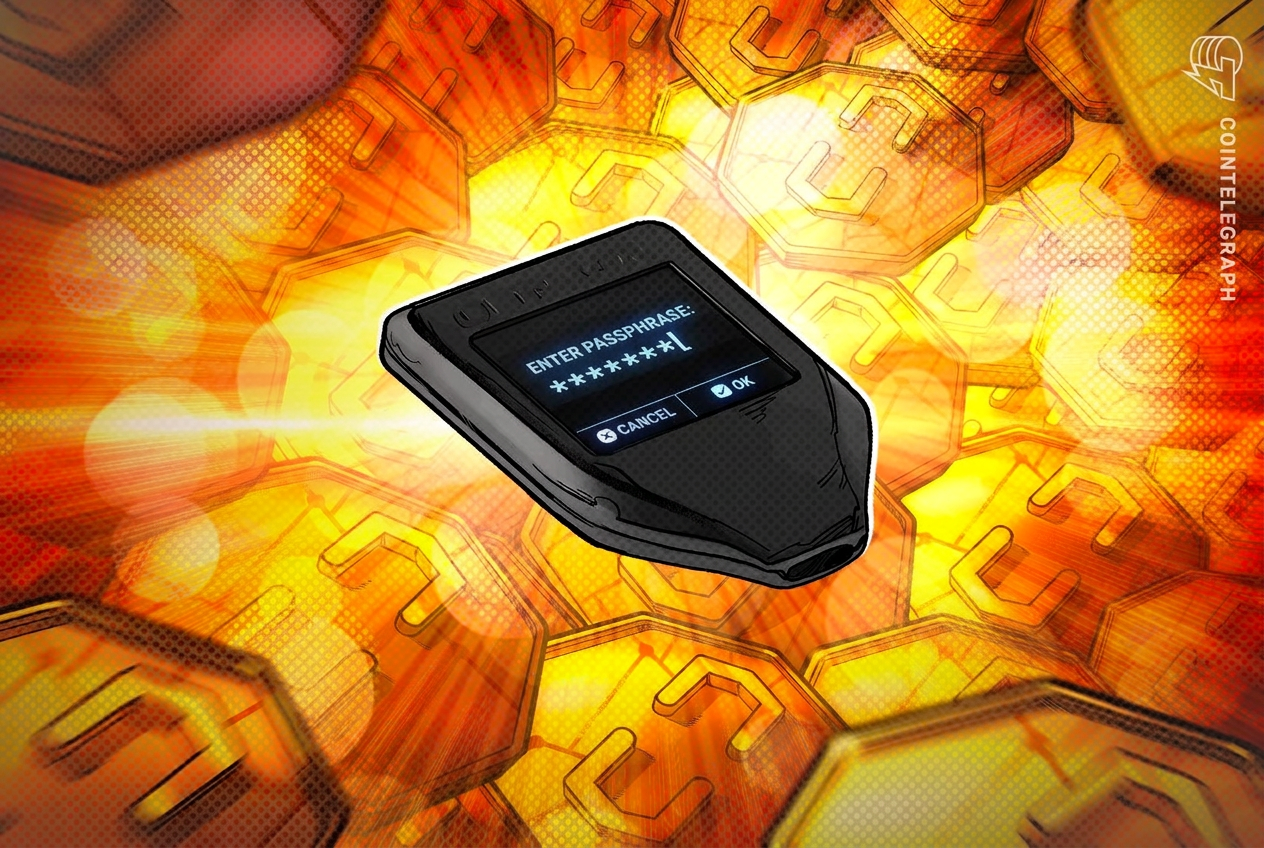
Trezor cited July’s Coldcard attacks, in which strong passphrases helped protect some users whose wallet recovery information was compromised. Hardware wallet maker Trezor has increased the maximum length of optional wallet passphrases from 50 to 128 characters. On Sunday, Trezor said the change is available in its Trezor Suite with updated device firmware. Older firmware still limits passphrases to 50 characters. According to Trezor, a passphrase acts like an additional password that users set alongside their wallet’s recovery phrase. An attacker who obtains the recovery phrase would still need the correct passphrase to access funds in that wallet.
Binance saw $3.64 billion in net outflows in the first nine and a half hours after reopening withdrawals, or 2.1% of its assets, it said.


