Follow crypto and Web3 coverage across digital assets, networks and the organizations building them. This feed brings publisher excerpts together so you can compare reporting, find the original source and follow developments without relying on a single stream of headlines.
Separate protocol changes and documented announcements from price commentary or promotion. Repeated versions of one announcement are not independent confirmation; follow the evidence back to its source.
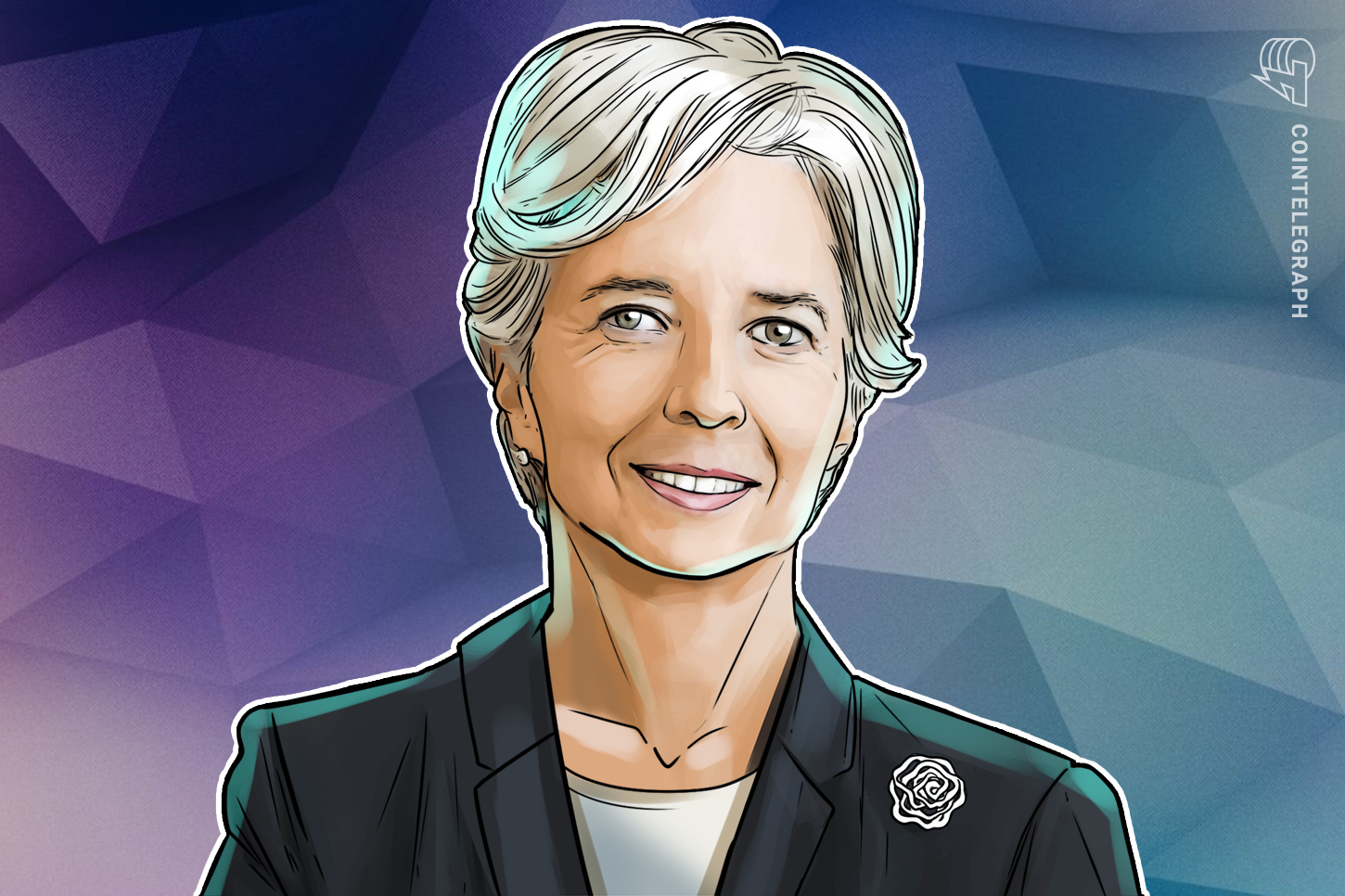
The ECB president said Europe’s market for tokenized securities could split into platforms that cannot settle trades with one another. European Central Bank (ECB) President Christine Lagarde warned Friday that Europe needs common rules for tokenized securities before incompatible standards take hold across trading platforms. Speaking at the Frankfurt European Banking Congress, Lagarde said blockchain technology lets firms issue, trade and settle securities on a single platform. The global markets for tokenized assets was worth about 23 billion euros in March, five times its size a year earlier, she said. Europe could build a single market for those assets, Lagarde said, but if platforms adopt different rules as they grow, they may be unable to settle trades with one another. She said lawma…
The new share class offers blockchain-based exposure to an index tracking 600 companies across European markets. Amundi, Europe’s largest fund manager by assets, has launched a tokenized share class of its STOXX Europe 600 equity index fund on Ethereum, expanding its blockchain-based investment offerings beyond money market funds. The new share class was issued on Ethereum in collaboration with CACEIS, a European asset-servicing company that provided the tokenization infrastructure. The fund will continue to be available through traditional investment channels, Amundi said in a Thursday announcement. The fund tracks the STOXX Europe 600 Index, which covers 600 large-, mid- and small-cap companies across developed European markets. Amundi said it plans to develop a broader range of tokenize…
The Palantir UK chief said the U.S. is racing ahead on enterprise AI while Europe hesitates, and explained why he thinks the company faces intense political attacks.
Binance declined to address reports of ECB intervention in its Greek MiCA bid, saying it remains committed to securing authorization in Europe. Binance declined to address a report that European Central Bank President Christine Lagarde intervened in its failed Greek crypto license bid and said it continues seeking authorization under the European Union’s Markets in Crypto-Assets Regulation (MiCA). The Wall Street Journal reported Friday that a vice chair of Greece’s Hellenic Capital Market Commission (HCMC) told Binance that Lagarde had asked Greek Prime Minister Kyriakos Mitsotakis not to approve its application. Greek officials informed the European Securities and Markets Authority in early June that the regulator intended to approve the license, according to the report.
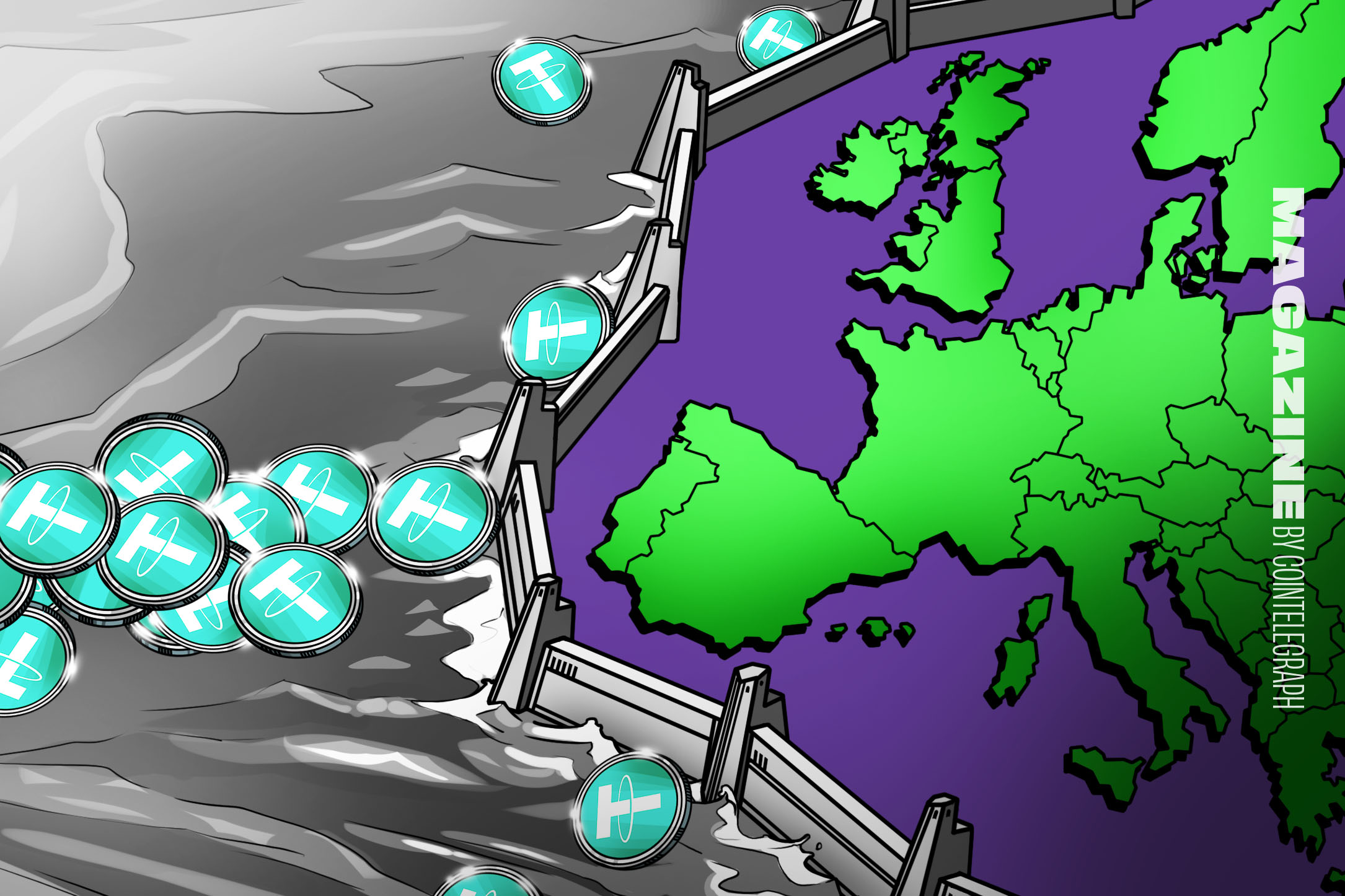
USDT is disappearing from regulated European platforms, but there is little sign that it has resulted in weakening global demand for Tether. Europe’s crackdown on Tether’s USDT is entering a new phase. When Revolut told European users it would delist USDT after Aug. 31, it became another in a long line of European platforms restricting access to the world’s largest stablecoin as firms adapt to the requirements of the EU’s Markets in Crypto-Assets (MiCA) regulation. MiCA’s stablecoin rules have been phasing in since 2024, and the EU-wide transition period ended on July 1, putting further pressure on platforms to drop tokens that don’t meet the rules.
Sweden’s H100 more than tripled its Bitcoin holdings to 3,506 BTC after completing an acquisition involving 2,455 BTC. Sweden-listed health-tech and Bitcoin treasury company H100 Group completed its acquisition of Norwegian Bitcoin companies holding 2,455 Bitcoin (BTC), more than tripling its Bitcoin treasury to 3,506 BTC. The transaction involved no cash consideration, with H100 issuing 790.5 million new shares to the sellers, the company said in a Monday press release. The newly issued shares diluted existing shareholders by about 70%. H100 priced them at 1.86 Swedish kronor ($0.20) each, valuing the transaction at about 1.47 billion kronor ($155 million).
JPMorgan’s Kinexys platform will tokenize select BlackRock money market fund shares denominated in pounds, euros and US dollars. BlackRock will offer tokenized versions of select European money market funds using JPMorgan’s blockchain infrastructure. According to a Tuesday Bloomberg report, the offering will include pound sterling, euro and US dollar share classes from BlackRock’s Institutional Cash Series, which collectively manage about $311 billion. The figure refers to the broader fund range, not the assets that will be tokenized. Each token will represent a share in an underlying money market fund and can be transferred around the clock between approved digital wallets.
[PRESS RELEASE – Dublin, Ireland, July 23rd, 2026] The European-founded, MiCA-licensed fintech Ramp Network expands its full wallet product to its home market, giving EU users a self-custodial, everyday crypto account with a built-in rewards program. Ramp Network, a global crypto infrastructure company founded in Europe and licensed under MiCA by the Central Bank of …
The UCITS ETF, CoinShares’ first in Europe, began trading on Deutsche Börse Xetra, tracking a rules-based index of publicly listed BTC miners. CoinShares has launched its first UCITS exchange-traded fund (ETF) in Europe, which tracks publicly listed Bitcoin mining companies, giving European investors exposure to the sector through an Irish-domiciled fund listed on Deutsche Börse Xetra. The CoinShares Bitcoin Mining UCITS ETF began trading Tuesday under the ticker MINE. The physically replicated fund tracks the CoinShares Bitcoin Mining Index, a rules-based basket of listed Bitcoin miners administered by Solactive AG, the asset manager said in an announcement. The ETF was last trading at 19.50 euros ($21.74) per share. Deutsche Börse Xetra data showed 60 units traded for a turnover of 1,184…
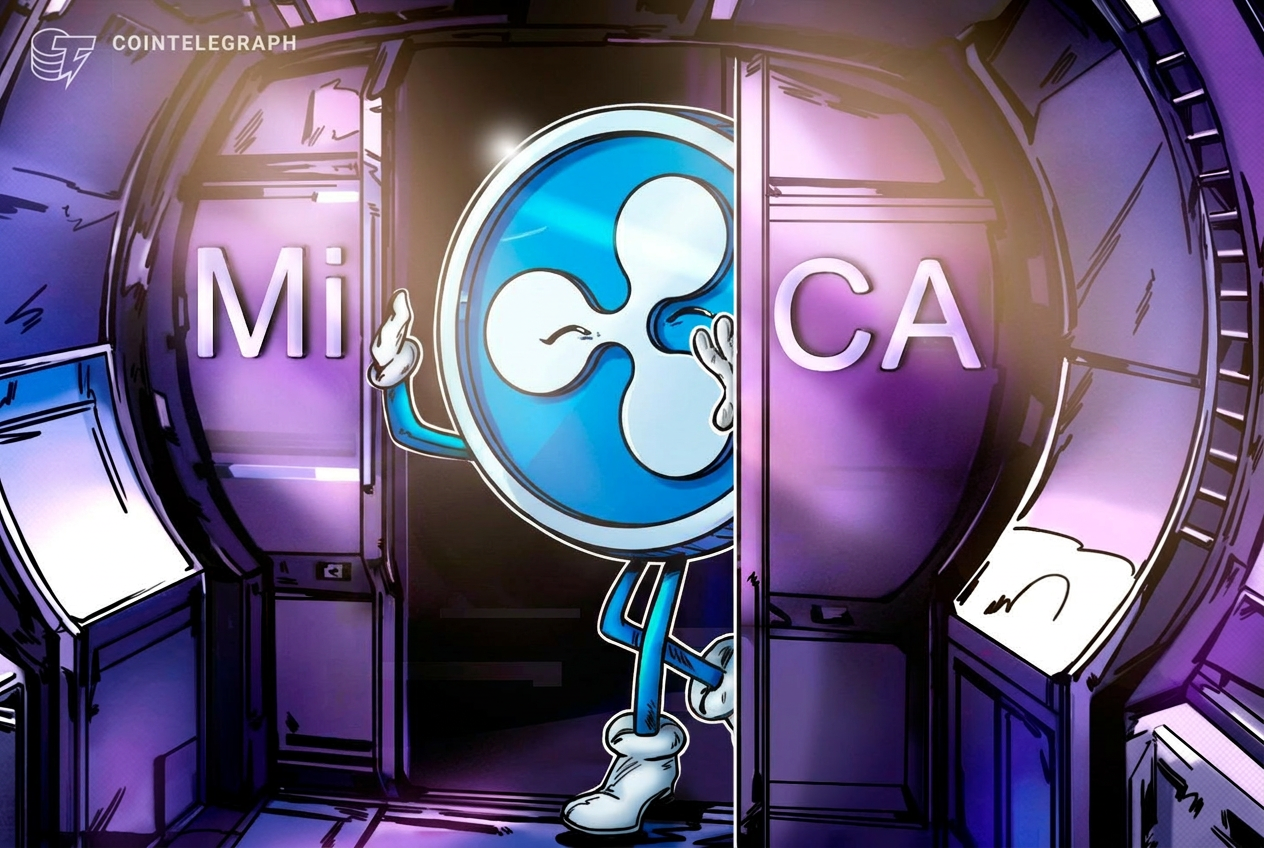
The Luxembourg approval completes the company's MiCA licensing process, enabling it to provide regulated crypto-asset services across the European Economic Area. Ripple said it has received full authorization under the European Union's MiCA crypto framework after Luxembourg's financial regulator granted the company a Crypto Asset Service Provider (CASP) license. The authorization follows Ripple's preliminary approval in June and, together with the company's existing Electronic Money Institution license, allows the blockchain payments company to offer regulated crypto-asset services across the European Economic Area (EEA). Ripple said the approval makes it one of a small number of digital asset companies with full authorization under MiCA. The company now holds more than 75 regulatory licen…
Europe's crypto market resets on July 1, when MiCA's transitional period ends and unauthorized exchanges lose the legal right to operate in the EU. Whether the deadline holds depends on the app stores on European phones. Under the ESMA's June 23 statement, unauthorized crypto exchanges must immediately stop onboarding new EU clients, opening accounts, and …
Dubai lawyer Irina Heaver says European founders are flocking to the UAE for faster licensing, a dedicated crypto regulator and access to markets beyond Europe.
MiCA crypto licensing data shows 244 approved companies across EU and EEA jurisdictions, led by Germany with France and the Netherlands also among top hubs ahead of July 1 cliff. Update 2:00 pm UTC, June 29: Added comment from Germany’s Federal Financial Supervisory Authority (BaFin). The European Union’s Markets in Crypto-Assets Regulation (MiCA) framework is producing uneven crypto licensing across member states and European Economic Area (EEA) jurisdictions, with Germany leading approvals under the new regime that takes effect on Wednesday. Data from the European Securities and Markets Authority (ESMA) interim register, compiled on Friday, shows Germany has 57 MiCA-authorized crypto-asset service providers (CASPs), accounting for about 23% of the 244 total licenses issued.