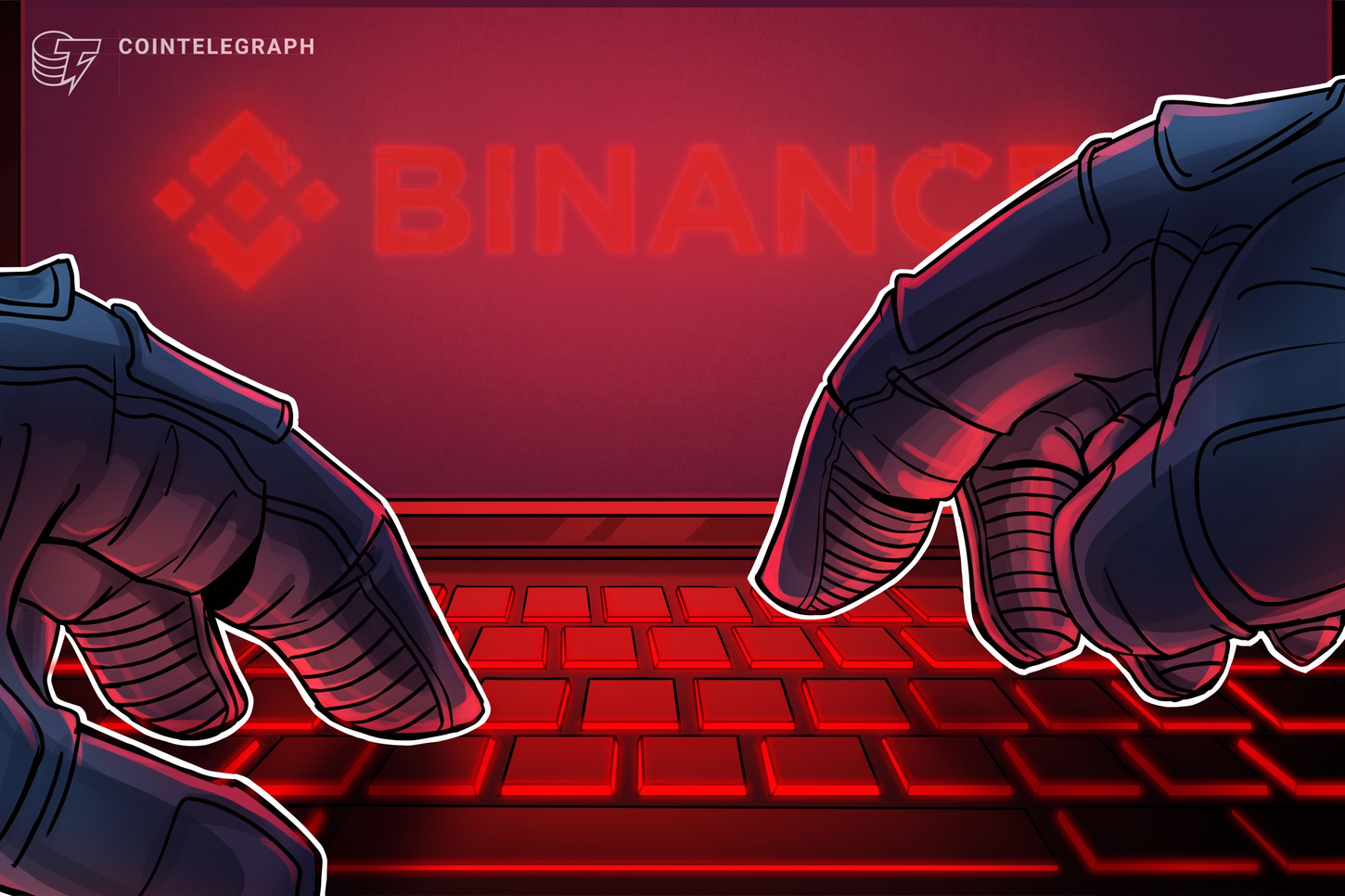
Less-liquid tokens make up the remaining shortfall as Binance continues buying replacement assets through market and over-the-counter trades. Binance said Saturday it had replenished 90% of the assets stolen in its $6.3 billion hack, up from 80% a day earlier, and remained on track to resume withdrawals Sunday. The exchange is using a combination of its corporate treasury, a partial deployment of its Secure Asset Fund for Users (SAFU) and a portion of its futures insurance fund, a spokesperson told Cointelegraph. “Binance will absorb the financial impact of the stolen funds, not users,” the spokesperson said, adding that the insurance fund would remain above required risk management levels.
Strategy posted a record $20.9 billion in third-quarter operating income as Michael Saylor declared a new Bitcoin bull market. The company's Oct. 29 financial results showed net income of $19.5 billion, compared with roughly $2.8 billion a year earlier. The record operating income came almost entirely from a $20.9 billion gain from changes in the… Read the full story on CryptoSlate Understand the crypto stories that matter and what to watch next. Get The Catalyst in your inbox
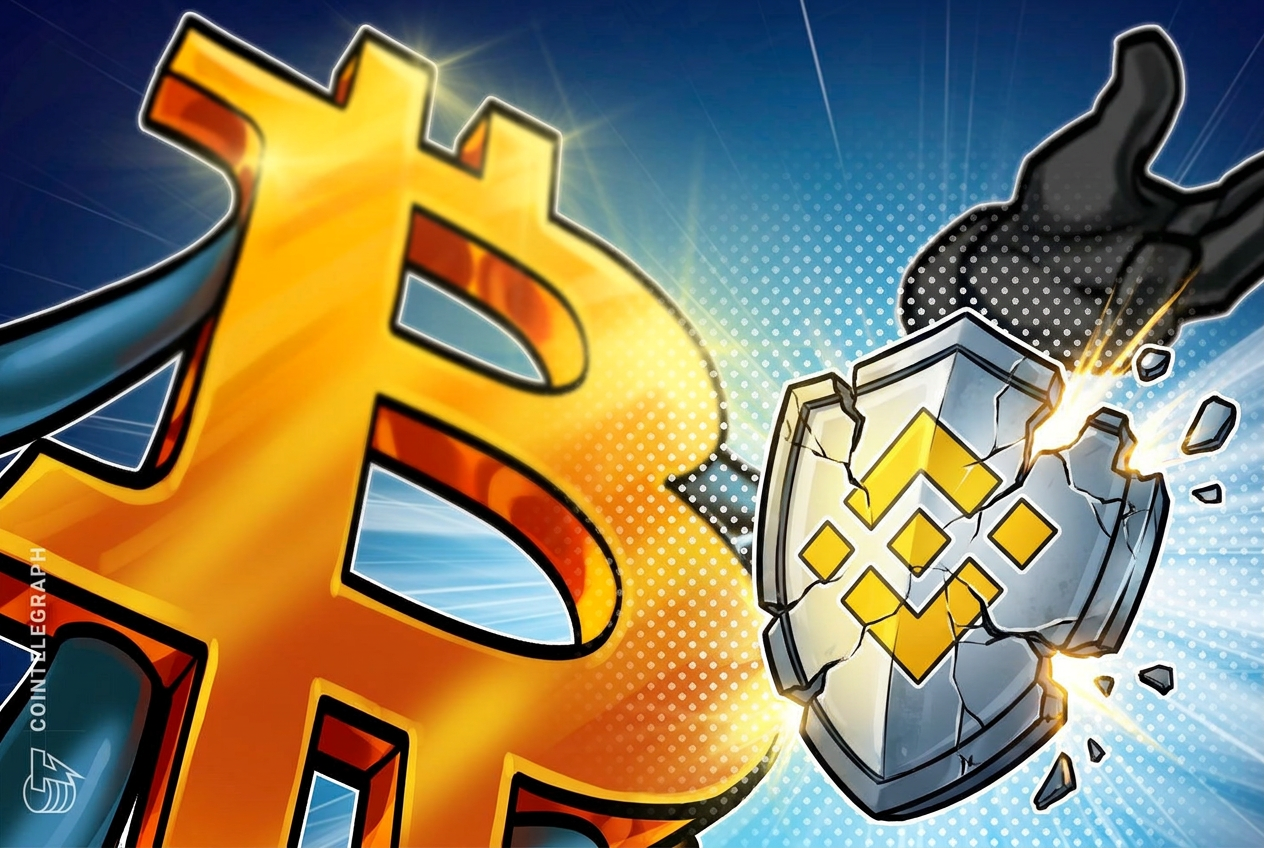
Strive CEO Matt Cole says the Binance hack has not changed his long-term case for Bitcoin, but cautions it is too early to call a market bottom. Bitcoin has held up better than expected following the $6.3 billion Binance hack, according to Strive CEO Matt Cole, who said the breach does not undermine the cryptocurrency’s long-term investment thesis. Speaking on Cointelegraph’s Chain Reaction on Friday, Cole said the breach had not changed his long-term investment case for Bitcoin. He compared the attack on Binance’s wallets to a bank robbery rather than a failure of Bitcoin’s network. Bitcoin traded near $77,400 at 4:00 pm on Saturday, about 4% below its price shortly before the attack began Thursday, according to CoinGecko data.
Attackers tied to North Korea drained roughly $6.4 billion from the world’s largest crypto exchange. Here’s what we know about how it happened, who’s behind it, and what comes next.
In typical Bitcoin style, the number one cryptocurrency turns 18 today, amid AI-driven security threats, quantum fears and the biggest exchange hack in crypto history. Eighteen years ago today, pseudonymous cypherpunk Satoshi Nakamoto posted the Bitcoin whitepaper, Bitcoin: A Peer-to-Peer Electronic Cash System, to a cryptography mailing list. Created to bypass opaque institutions and remove the need for trust in financial transactions, Bitcoin (BTC) has been taking on the traditional financial system since its genesis block was mined on Jan. 3, 2009. Inscribed in that very first block was a message from Satoshi, quoting a headline from The Times: “Chancellor on brink of second bailout for banks.” It captured the financial crisis backdrop against which Bitcoin was born.
Five funds recorded withdrawals on October 30, with no inflows elsewhere to cushion the reversal. Read the full story on CryptoSlate Understand the crypto stories that matter and what to watch next. Get The Catalyst in your inbox
Several companies offer access to bitcoin mining without the hassle of running equipment, but high costs and the 2028 reward halving make profits uncertain.
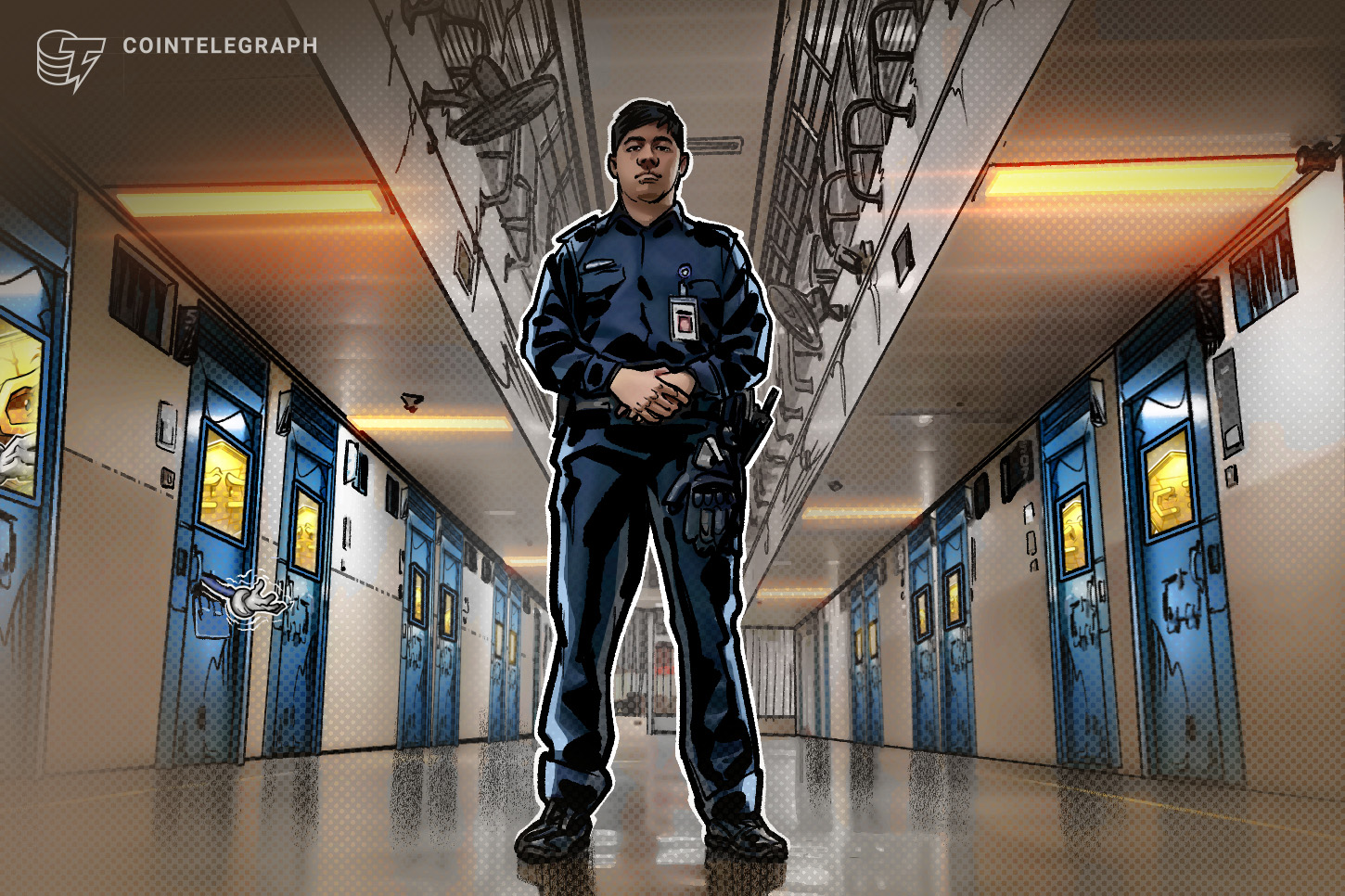
Home invasions became the most common form of crypto wrench attacks worldwide during the first half of 2026, rising to 20 incidents from one. Raymond Christian Garcia and Isiah Angelo Garcia, both of Waller, Texas, were sentenced to 180 months and 186 months in prison, respectively, for their armed robbery of cryptocurrency and kidnapping of a family in Grant, Minnesota. The brothers were sentenced on Thursday before US District Judge Donovan W. Frank, according to a Friday news release. They had pleaded guilty in June. On Sept. 19, 2025, the brothers, who had traveled from Texas to Minnesota, kidnapped Victim 1 and his family in their home at gunpoint, court documents said. They zip‑tied the family at gunpoint and held them for more than nine hours, demanding access to Victim 1’s cryptocu…
Robinhood's quarterly event revenue, Coinbase's annualized milestone and Gemini's smaller Q2 business show how uneven the diversification remains. Read the full story on CryptoSlate Understand the crypto stories that matter and what to watch next. Get The Catalyst in your inbox
The Bitcoin white paper achieved a lot of what Satoshi Nakamoto set out to accomplish, but the cultural impact it had may outweigh Bitcoin itself, writes CoinDesk's Nikhilesh De.
Next Technology Holding cited exchange security and quantum computing risks in authorizing sales or loans against its 5,833 BTC. It says none of the coins are held at Binance.
The Binance hack has revived debates about whether decentralization is the digital asset industry’s greatest security advantage or its biggest point of weakness.
Chainalysis has engaged world-class third-party experts to support a review of its security and strengthen its defenses. Blockchain analytics company Chainalysis said it was targeted in a cybersecurity incident, similar to those suffered recently by other platforms. “Based on the investigation to date, we have found no evidence of unauthorized access to investigation content, authentication credentials, or session tokens,” it said in a blog post on Friday. Some non-sensitive customer data was exposed. Chainalysis said it had engaged world-class third-party cybersecurity experts and was using large language models to support a review of its security and strengthen its defenses.