

Institutional crypto investors rush to pull funds from exchanges after Binance hack
The withdrawals suggest the fallout from the multibillion-dollar breach is spreading beyond Binance.
 FOLLOW THE THREAD · Crypto & Web3
Follow crypto and Web3 coverage across digital assets, networks and the organizations building them. This feed brings publisher excerpts together so you can compare reporting, find the original source and follow developments without relying on a single stream of headlines.
Separate protocol changes and documented announcements from price commentary or promotion. Repeated versions of one announcement are not independent confirmation; follow the evidence back to its source.
The withdrawals suggest the fallout from the multibillion-dollar breach is spreading beyond Binance.
Owner-key signatures and old bot wallets reveal the stakes of service controls, while @BloomTrading denies private-key compromise. Read the full story on CryptoSlate Understand the crypto stories that matter and what to watch next. Get The Catalyst in your inbox
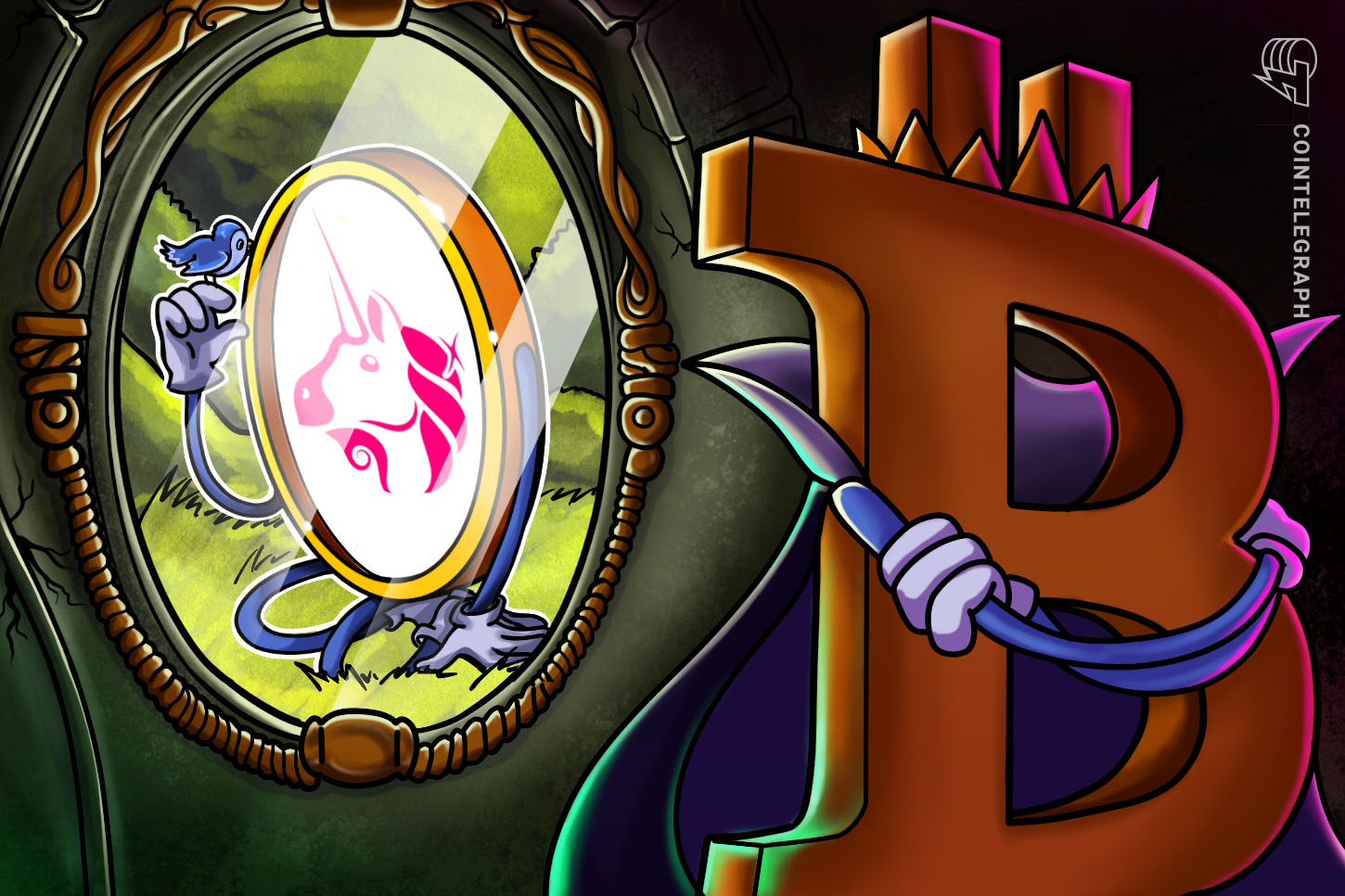
Standard Chartered’s Geoffrey Kendrick says the breach could accelerate a shift toward decentralized trading and strengthen his case for Uniswap’s UNI token reaching $100 by 2030. The Binance hack could accelerate a shift in crypto trading toward decentralized exchanges, benefiting Uniswap over the longer term, according to Standard Chartered’s global head of digital assets research, Geoffrey Kendrick. In an email shared with Cointelegraph, Kendrick said the breach should drive further growth in decentralized exchanges’ share of trading relative to centralized platforms, though investors should wait until after the impact of the Binance attack has time to play out in the markets. “I would encourage investors to re-engage with Uniswap,” said Kendrick. “The decentralized exchange (DEX) has n…
Security researchers suggested that the hermit kingdom's Lazarus Group was behind Thursday's nearly $6 billion hack of the world's largest crypto exchange.
Binance confirmed the incident but reassured that user funds will be covered in full.
Specified Snowflake and Databricks tables passed checks, while BigQuery backfills and account recovery requirements remain. Read the full story on CryptoSlate Understand the crypto stories that matter and what to watch next. Get The Catalyst in your inbox
Already-tokenized securities can move between registered wallets all weekend; conversion orders remain limited to business-day hours. Read the full story on CryptoSlate Understand the crypto stories that matter and what to watch next. Get The Catalyst in your inbox
Its October startup request pairs blockchain capital raising with stablecoins, trading and agent infrastructure ahead of a November 2 deadline. Read the full story on CryptoSlate Understand the crypto stories that matter and what to watch next. Get The Catalyst in your inbox
Binance’s own reserve data lists the drained wallets as backing customer balances, leaving its ether backing an estimated 6% short until the exchange replaces what was stolen.
Binance says attackers may have used a compromised DevOps laptop to access internal infrastructure. Update (Oct. 30 at 2:44 am UTC): This article has been updated to include Binance’s preliminary investigation into the security breach. Binance said its initial investigation into the multi-billion crypto breach has pointed to a compromised DevOps engineer’s laptop. The exchange said the laptop compromise may have allowed an attacker to access a service container and submit unauthorized withdrawal transactions. It said it had found no evidence of a wallet private-key leak, though its investigation remains ongoing.
Stablecoin issuers, including Tether, Circle, Ripple, and World Liberty Financial, have frozen more than $2.6 billion in digital assets linked to a suspected Binance security breach involving nearly $6 billion. On Oct. 29, Tether CEO Paolo Ardoino said the company had frozen more than $ 1.567 billion in USDT linked to the suspected incident. He… Read the full story on CryptoSlate Understand the crypto stories that matter and what to watch next. Get The Catalyst in your inbox
Bitcoin and Ether tumbled as the broader crypto market fell 3.3%, with reports of suspicious multibillion-dollar transfers from Binance-linked wallets fueling uncertainty. Cryptocurrency markets fell sharply Thursday as reports of a potential multibillion-dollar hack involving Binance wallets rattled investors, sending BNB down more than 7% and pushing the broader market lower. The selloff coincided with reports of suspicious transfers involving Binance-linked wallets. Blockchain security firm Blockaid identified approximately $3.3 billion in suspicious transfers, while Arkham Intelligence tracked roughly $5.84 billion in assets held by wallets labeled “binance-hacker-1029,” though neither figure represents a confirmed theft amount. BNB, the native token of BNB Chain, traded near $702, dow…

The October 29 settings put reserve interest at 3.90%, standing repo at 4.00% and reverse repo at 3.75%, each supporting rate control. Read the full story on CryptoSlate Understand the crypto stories that matter and what to watch next. Get The Catalyst in your inbox
Etherscan records show wallets tied to the suspected Binance hack swapping freezable stablecoins for Ethereum on decentralized exchanges.
Bitcoin hit an intraday low of $78,297 on Binance spot on Oct. 29 and sat near $79,126 at press time, as large transfers left Binance-labeled wallets. Binance shared on X that the exchange is “aware of reports of a potential security issue and are actively investigating.” It added: “Our security teams are reviewing all relevant… Read the full story on CryptoSlate Understand the crypto stories that matter and what to watch next. Get The Catalyst in your inbox
Singapore police say tampered Ledgers started showing up there on September 10. South Korean lawmakers look set to delay the crypto tax law for a fourth time. Singapore police say at least two cases involving tampered Ledger hardware wallets have been reported since Sept. 10, with combined losses of about 3.5 million Singapore dollars ($2.7 million). It places the first local report almost a month before the wider incident became public. It’s not clear from the October 28 consumer alert if the September 10 case was reported to police at the time, or was made retrospectively. If the report was timely, it raises questions as to whether Ledger was informed, or if the Singapore Police Force was in a position to issue a public warning earlier. However, the October 28 advisory suggested the poli…

Something potentially explosive could be building for Pi Network (PI) by January 1, 2027. Microsoft Copilot AI predicts that a specific event could send PI surging to new heights in Q4.A full, unrestricted listing of PI on Binance, including major trading pairs, deep liquidity support, and prominent placement across the exchange’s products. In this framework, …
About $3.5 million has been lost in Singapore after suspected tampered Ledger wallets exposed users' crypto wallets to unauthorised access.
An Oct. 28 snapshot shows a loss before fees when outcomes align, while different settlement rules expose the package to another risk. Read the full story on CryptoSlate Understand the crypto stories that matter and what to watch next. Get The Catalyst in your inbox
An on-chain tally puts the suspected Binance drain at $5.57 billion across three blockchains, as Tether and Circle froze $1.8 billion.