News
-
Adevarul Romania - 15:39 Aug 07, 2026
Moody's urmează să publice noul rating suveran al României, după ce Fitch a evitat la limită să introducă România în zona „junk”. Analistul Adrian Negrescu avertizează pentru Adevărul că Moody's pune accent pe stabilitatea politică și perspective fiscale, unde România e vulnerabilă. -
Adevarul Romania - 15:34 Aug 07, 2026
Șase muncitori români sunt cercetați de procurorii italieni după moartea unui coleg din Republica Moldova, care s-a prăbușit pe un șantier din Padova. Anchetatorii încearcă să stabilească de ce nimeni nu a cerut imediat ajutor medical. -
NU.nl - 15:32 Aug 07, 2026
In een uitvaartcentrum in de Amerikaanse stad Chicago zijn zeker vijftig lichamen "in verschillende stadia van ontbinding" gevonden, melden de lokale autoriteiten. De lichamen zouden op een verkeerde manier zijn bewaard. De politie is een onderzoek gestart. -
CryptoSlate - 15:30 Aug 07, 2026
The proprietary-only entity can pursue authorized-participant work, while DTC access and a fund-distributor agreement remain separate. The post Wintermute takes aim at Wall Street’s crypto ETF gatekeepers appeared first on CryptoSlate. -
Adevarul Romania - 15:30 Aug 07, 2026
Inspectorul de Poliție Daniel Zontea reacționează la comentariile apărute după ce un bărbat a fost filmat în timp ce desena cu spray o declarație de dragoste pe o stâncă de pe Transfăgărășan. -
Focus.ua - 15:29 Aug 07, 2026
Одинокая обезьянка Панч вырос и удивил всех: его поступок снова растрогал пользователей сети до слез
Ранее обезьянка Панч растрогала многих людей, цепляясь за плюшевую игрушку после того, как её бросили мама и семья. Теперь сотрудники зоопарка рассказали новые подробности об этом животном, которое вновь довело пользователей соцсетей до слёз. -
CryptoPotato - 15:28 Aug 07, 2026
Ethereum has continued to stabilize following its sharp correction from the yearly highs, with buyers attempting to regain control after breaking out of the long-term descending channel. While the recovery has improved the near-term outlook, ETH still faces a cluster of major resistance levels overhead that must be reclaimed before a broader trend reversal can […] -
Cryptonews.com - 15:28 Aug 07, 2026
The Coldcard hack wallet moved 30.185 BTC to a new address, prompting scrutiny as analysts track possible movement of stolen funds. The post A Coldcard Hacker Just Moved $1.94 Million in Stolen Bitcoin for the First Time, Is a Cash-Out Coming? appeared first on Cryptonews. -
Decrypt - 15:27 Aug 07, 2026
A Bitcoin address that had stayed silent for 15 years just sent its coins out for the first time. -
Dawn - 15:25 Aug 07, 2026
ISLAMABAD: The Supreme Court Bar Association (SCBA) — a premier lawyers’ body — on Friday voiced support for the controversial proposal recently put forward by Interior Minister Syed Mohsin Naqvi regarding the creation of new provinces in the country. Recently, while addressing the Pakistan Economic Summit 2026, the interior minister had urged all political parties to resolve various national issues, including the question of creating new provinces. He termed this the only solution to improving the country’s overall condition, which he said had “collapsed”. Speaking at the Full Court Reference held at the Supreme Court (SC) in honour of Justice Musarrat Hilali on the occasion of her laying down her judicial robes, SCBA President Haroonur Rashid said the association endorsed and supported the suggestion to create new provinces. Headed by Chief Justice of Pakistan (CJP) Yahya Afridi, the reference was attended by SC judges both in person and via video link. The reference was also attended by Additional Attorney... -
The Express Tribune - 15:23 Aug 07, 2026
Addition celebrates release of his album 'Subah Aaye Na', allows users to reflect on singer's music -
The Express Tribune - 15:23 Aug 07, 2026
Christopher Nolan's epic fantasy film becomes his biggest hit since 'The Dark Knight Rises' -
Cointelegraph.com - 15:23 Aug 07, 2026
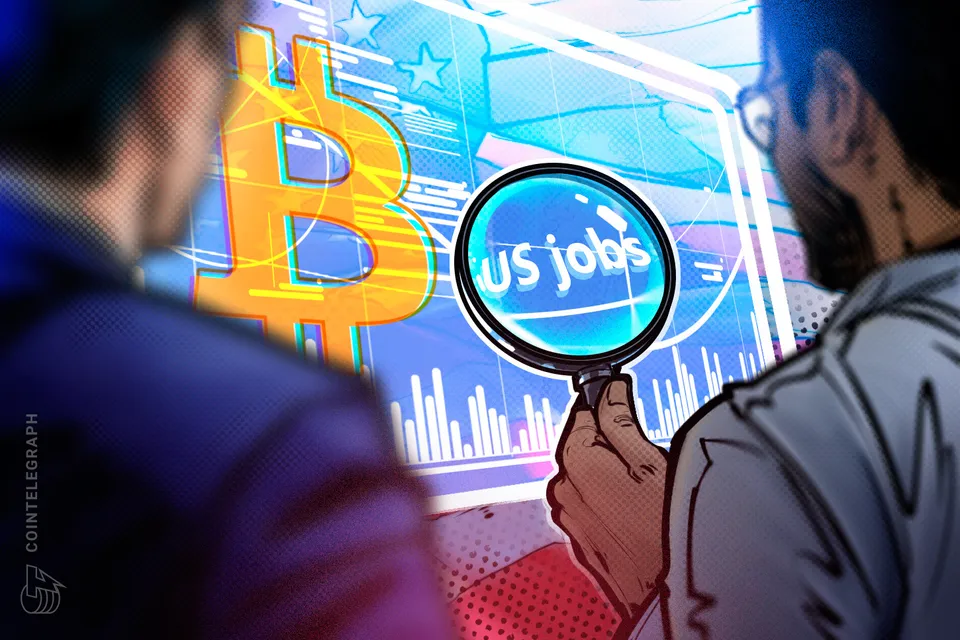 Bitcoin hit month-to-date highs above $65,000 as risk-assets gained on low US nonfarm payrolls data. Bitcoin (BTC) hit new August highs into Friday’s Wall Street open as markets reacted to weaker US jobs numbers. Key points: Data from TradingView showed BTC/USD hitting $65,340 on Bitstamp, up 1.3% on the day, as fresh US labour-market data was released. Read more
 -
1kr.ua - 15:23 Aug 07, 2026
 8 августа в населенных пунктах неподалеку от Кривого Рога запланированы работы на электросетях. Поэтому временно не будет света в домах определенных жителей Подробнее
 -
CoinDesk - 15:22 Aug 07, 2026
The OKX executive says Democrats have little incentive to hand Republicans a crypto victory before the midterms. -
OpenAI - 15:20 Aug 07, 2026
OpenAI is sharing preliminary cybersecurity evaluations for Astra and the steps we’re taking to strengthen safeguards and security controls. -
NU.nl - 15:19 Aug 07, 2026
De Britse muziekproducent William Orbit is op 69-jarige leeftijd overleden. Hij overleed op 23 juli in zijn woning, zo heeft zijn familie vrijdag verklaard. De doodsoorzaak is niet bekendgemaakt. -
Focus.ua - 15:19 Aug 07, 2026
Украинский гроссмейстер, легендарный шахматист Василий Иванчук войдет в Зал мировой шахматной славы. Церемония состоится в октябре 2026 года. -
Dawn - 15:18 Aug 07, 2026
ISLAMABAD: The National Electric Power Regulatory Authority (Nepra) on Friday notified an additional burden of Rs9.8 billion on electricity consumers for the August billing period due to a fuel cost adjustment (FCA) of 75 paisa per unit. The net average fuel cost in August would be around 41 paisa per unit higher than in July, when the FCA stood at Rs0.34 per unit. In its notification, Nepra said it had decided that the positive FCA for June 2026, amounting to Rs0.7503 per kWh, would apply to all consumer categories that opted for prepaid tariffs, except lifeline consumers, electric vehicle charging stations and prepaid electricity consumers. The adjustment applies to K-Electric (KE) as well as power distribution companies (Discos) that originated from Wapda. The regulator said the adjustment would also apply to consumers under the incremental consumption package. Discos and KE are required to reflect the fuel charges adjustment for June 2026 in the billing month of August 2026. The FCA is reviewed every mont...