News
-
Focus.ua - 06:59 Apr 07, 2026
Украинский певец и фронтмен группы "Антитела" Тарас Тополя высказался о причинах развода с Еленой Тополей после 12 лет брака, что шокировало их фанатов в конце прошлого года. -
Focus.ua - 06:58 Apr 07, 2026
В законопроекте о налогообложении международных посылок появились нормы, меняющие правила финансового мониторинга для публичных деятелей. В частности, предлагается ограничить пожизненный финмониторинг трехлетним сроком после завершения полномочий и расширить перечень лиц, подпадающих под этот статус. -
CryptoPotato - 06:44 Apr 07, 2026
XRP's price remains suppressed and further downside could be around the corner. -
Dawn - 06:41 Apr 07, 2026
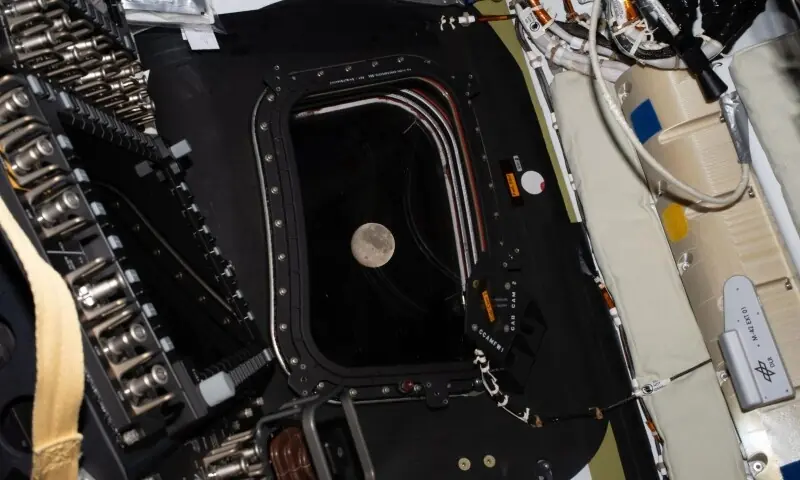 The four astronauts of Nasa’s Artemis II mission flew deeper into space on Monday than any humans before them, as they cruised through a rare flyby of the shadowed far side of the moon that revealed a lunar surface under cosmic bombardment. The six-hour survey of the normally hidden hemisphere of Earth’s only natural satellite was highlighted by the astronauts’ direct visual observations of “impact flashes” from meteors pelting the darkened and heavily cratered lunar surface. About two dozen scientists packed a conference room adjacent to mission control at Nasa’s Johnson Space Centre in Houston to record the lunar phenomena witnessed by the Artemis crew in real time as their Orion spacecraft, about the size of an SUV, sailed around the moon roughly a quarter million miles (402,000km) from Earth. The six-hour flyby, which swooped to within 4,070 miles of the lunar surface, came six days into a spaceflight marking the world’s first voyage of astronauts to the vicinity of the moon since Nasa’s Cold War-era Apol...
 -
JPost.com - Antisemitism - 06:40 Apr 07, 2026
Hassan, who was elected to the European Parliament in 2024 for the French far-left party France Unbowed, has previously said that “Hamas’s actions are legitimate from an international perspective.”
-
Focus.ua - 06:35 Apr 07, 2026
В Киеве сфотографировали купе BMW M4 CS. 550-сильный спорткар способен разогнаться до сотни за 3,4 с и развить более 300 км/ч. -
FD - 06:30 Apr 07, 2026
Schreeuwen en intimideren heeft een voordeel, schrijft FD-columnist Femmetje de Wind: je krijgt nooit meer tegenspraak, want niemand durft je meer tot de orde te roepen. -
Focus.ua - 06:29 Apr 07, 2026
Беспилотники вновь атаковали Ленинградскую область. Губернатор Александр Дрозденко сообщил, что силы ПВО сбили над регионом 22 дрона. Но в соцсети появилось видео пожара в порту. -
ZF English - 06:28 Apr 07, 2026
 Trencadis Corp, a Bucharest-based IT&C integrator involved in public sector digitalization projects, ended 2025 with turnover worth RON110.7 million (EUR22 million), up around 138% from 2024.
 -
Madagascar Tribune - 06:25 Apr 07, 2026
Le vent de rupture insufflé par le régime transitoire prend une ampleur inattendue. Après des changements opérés dans plusieurs secteurs clés de l'administration, la dynamique atteint désormais les instances internationales, illustrée par la démission du secrétaire général de la Commission de l'océan Indien (COI), Edgard Razafindravahy. Vendredi, ce dernier a officiellement remis sa démission au président du Conseil des ministres de la COI. Un départ qui n'a rien d'anodin, tant les (…) - Politique -
Focus.ua - 06:21 Apr 07, 2026
Четверо астронавтов миссии “Артемида-2” завершили облет Луны и возвращаются домой. При этом они смогли установить новый рекорд в космосе для всего человечества и наблюдали на Луне то, что никто еще никогда не видел. -
ZF English - 06:21 Apr 07, 2026
 Romanian-held ambulance and special vehicle manufacturer Deltamed in 2025 posted EUR90 million turnover and for 2026 expects revenue consolidation and a growth pace of 10-15%.
 -
Focus.ua - 06:12 Apr 07, 2026
На украинских АЗС обновили ценники на топливо. Какой будет стоимость бензина и дизеля 7 апреля — читайте в материале. -
Haaretz - 06:06 Apr 07, 2026
Israel and Serbia tighten defense ties: The joint venture comes amid a surge in arms exports from Belgrade, and two major deals to supply Elbit made artillery, missiles and advanced UAVs -
CoinDesk - 05:56 Apr 07, 2026
Spot bitcoin ETFs pulled in $471 million on April 6, the 6th-largest inflow of 2026, as prediction markets price little near-term Fed movement. -
Cointelegraph.com - 05:46 Apr 07, 2026
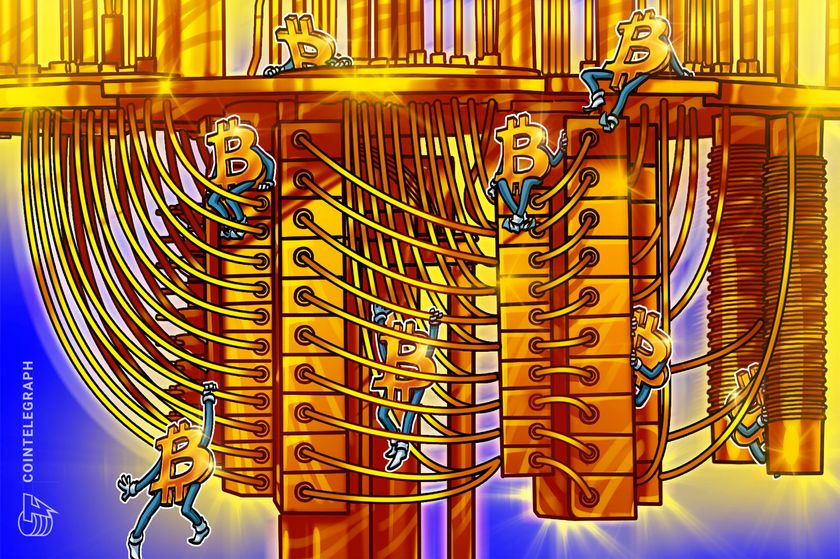 The Bitcoin community has a “history of contentious debates over protocol changes,” said Grayscale head of research Zach Pandl. The challenge to solving the quantum threat to Bitcoin could be more social than technical, according to Grayscale’s head of research, especially if the community fails to come to an agreement on certain contentious issues. Google released a paper that drew attention in the crypto industry on March 30, suggesting that a quantum computer could potentially crack the cryptography protecting Bitcoin (BTC) using far fewer resources than previously thought. Grayscale head of research Zach Pandl, however, suggested the problem for Bitcoin doesn’t come from its technical solution, as “bitcoin has lower risk than other cryptocurrencies” because it uses a UTXO model and proof-of-work consensus, does not have native smart contracts and certain address types are not quantum vulnerable. Read more
 -
Focus.ua - 05:45 Apr 07, 2026
Согласно полученным данным, целевые объекты были разделены на три категории в зависимости от их стратегической важности. В Израиле изолированная энергосистема, так что точные удары Ирана могут привести к коллапсу. -
Dawn - 05:43 Apr 07, 2026
India has moved closer to producing its own nuclear fuel after a domestic-designed reactor began a controlled nuclear reaction, an important step before it can start generating power. Energy-hungry India, the world’s most populous country and third-largest emitter of greenhouse gases, has ambitious plans to expand nuclear power capacity from its current eight to 100 gigawatts by 2047. Prime Minister Narendra Modi said the Prototype Fast Breeder Reactor (PFBR) at Kalpakkam attained “criticality”, the stage at which a self-sustaining nuclear chain reaction starts. “Today, India takes a defining step in its civil nuclear journey, advancing the second stage of its nuclear programme,” Modi said in a statement late Monday. “This advanced reactor, capable of producing more fuel than it consumes, reflects the depth of our scientific capability and the strength of our engineering enterprise.” Modi called it a “decisive step towards harnessing our vast thorium reserves”, a potential fuel for nuclear reactors. The react... -
CoinDesk - 05:41 Apr 07, 2026
Rejection at $1.35 and collapsing depth raise risk of sharper moves as positioning builds. -
Haaretz - 05:34 Apr 07, 2026
The army fears that if the U.S. continues its war against Iran, Israel will find it difficult to end the campaign in Lebanon alone, with reserve forces already overstretched. For now, IDF forces have halted 10 kilometers south of the Litani, aiming to prevent anti-tank fire into northern Israel