Japan | News
-
Cointelegraph.com - 05:24 Aug 07, 2026
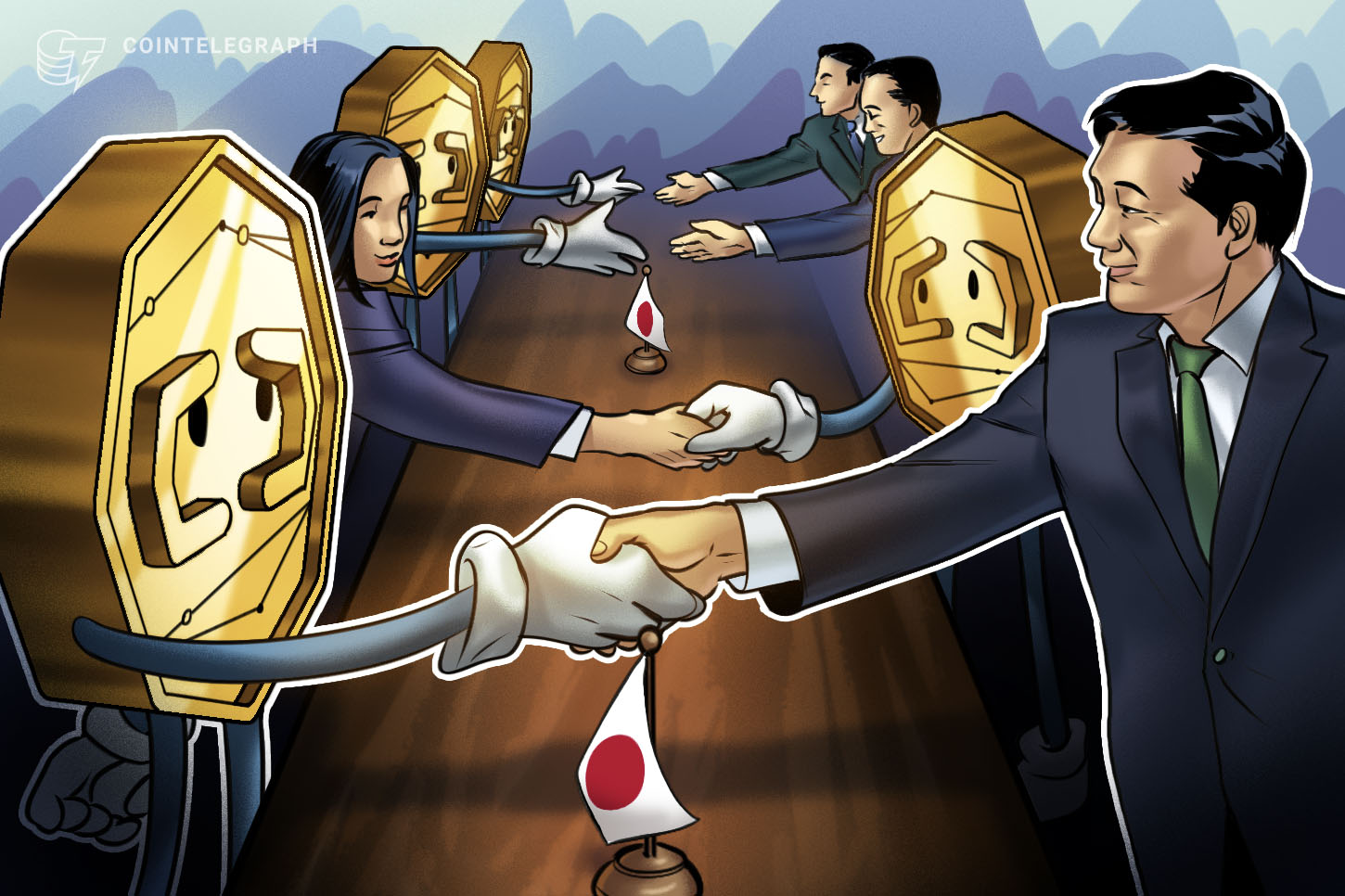 Japanese authorities called for address registration, customer-specific limits and stronger authentication as part of a broader push to curb misuse of exchange accounts. Japan’s financial regulator has asked crypto exchanges to introduce withdrawal delays and other safeguards as authorities respond to increasingly sophisticated scams involving digital assets. On Thursday, the Financial Services Agency (FSA) said it had jointly requested the measures with the National Police Agency amid growing losses among crypto exchange users and cases where funds obtained through fraudulent schemes are being transferred to exchange accounts. The request calls on exchanges to restrict crypto withdrawals for a specified period after customers deposit fiat currency or purchase digital assets. Platforms were also asked to require users to pre-register crypto withdrawal addresses and impose a waiting period before newly added addresses can be used. Read more
 -
ZF English - 08:38 Aug 06, 2026
 Romanian-British startup Ogre AI, which has developed an AI-based platform for prognoses in the energy field, is expanding its operations on the Asian market: the company’s associates have approved the creation of a subsidiary in Japan, wholly owned by the Romania company.
 -
NU.nl - 03:07 Aug 06, 2026
Japan zoekt een tweede hoofdstad voor het geval Tokio zou worden getroffen door een natuurramp. Het Japanse parlement heeft hier eind juli een wet voor aangenomen. De regering hoopt zo ook dat het land zich minder concentreert rond de hoofdstad. -
FD - 18:00 Aug 04, 2026
Amerika schiet Japan te hulp bij het stutten van de yen. Een geval van de lamme die de blinde helpt. Beide landen doen er verstandig aan hun overheidsfinanciën gezond te maken. -
NRC.nl Economie - 14:56 Aug 03, 2026
In een hoogst ongebruikelijke en voor velen onbegrijpelijke actie hebben de VS en Japan samen tientallen miljarden dollars gestoken in een operatie om de kwakkelende Japanse yen op te krikken. De steun verhult dat de Japanse economie een fundamenteel probleem heeft. -
ukrinform.net - 12:37 Aug 03, 2026
President Volodymyr Zelensky has called for stronger relations with Japan and other Asian countries. -
Cointelegraph.com - 08:21 Aug 03, 2026
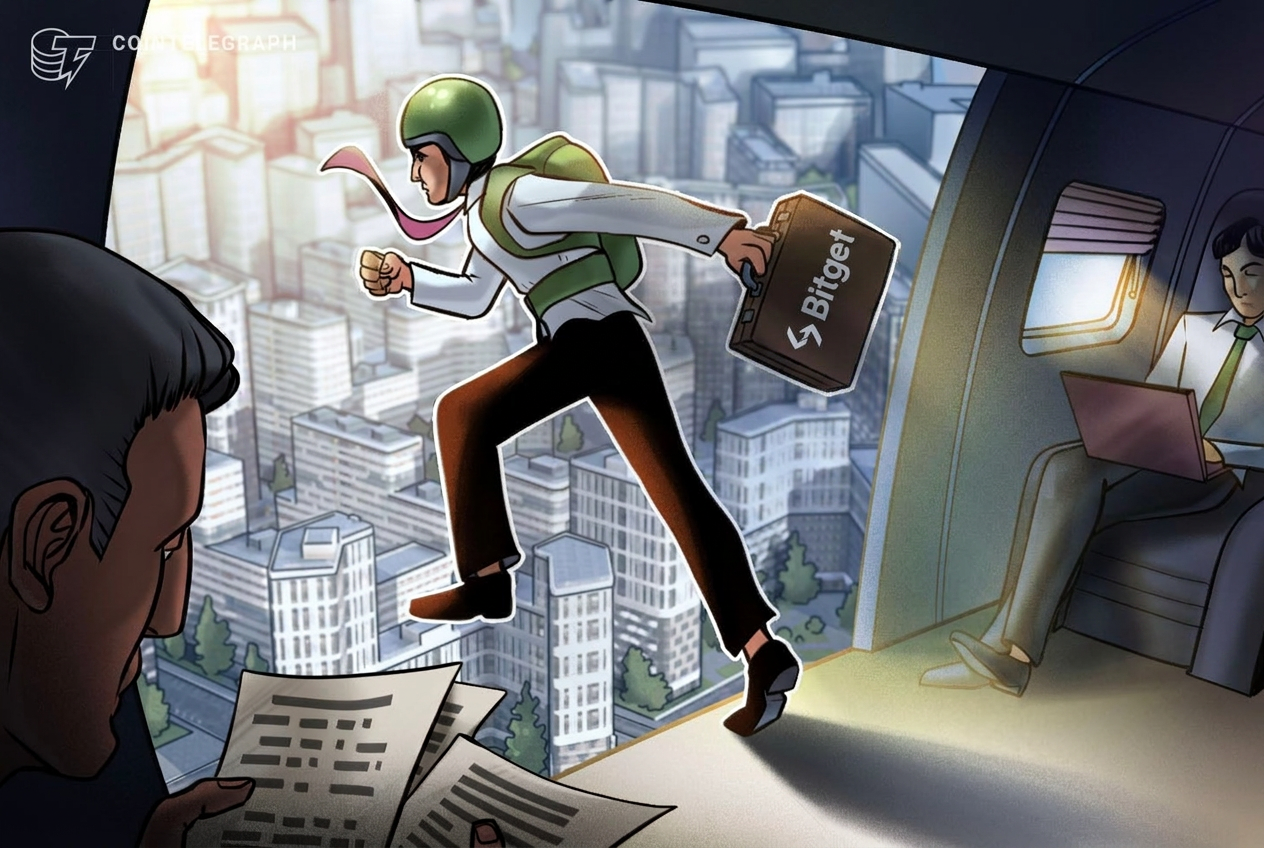 The crypto exchange stopped accepting new registrations from Japan residents and will begin progressively restricting existing accounts on Nov. 1. Crypto exchange Bitget said it will stop providing services to residents of Japan and phase in account restrictions. The exchange announced Monday that it had stopped accepting new registrations from residents of Japan, while account restrictions will begin Nov. 1. Any positions still open on Dec. 31 will be forcibly closed. Bitget said users who believe they have been incorrectly classified as residents of Japan must complete “Level 2” identification, which includes address verification, by Nov. 1. Failure to do so will result in their accounts being classified as belonging to residents of Japan. Read more
 -
CryptoSlate - 12:10 Aug 01, 2026
Takata's 1.25% bid failed, while decision-day derivatives showed no active leverage break despite the measurable squeeze setup. The post Bitcoin just slept through Japan’s rate decision, but a swollen yen short is quietly threatening a massive margin call appeared first on CryptoSlate. -
Dawn - 14:05 Jul 30, 2026
Twenty-five cats stuck inside a shopping mall in Japan gutted in an explosion after a major earthquake have been rescued, the operator said on Thursday, triggering huge relief on social media. Momo, Kohaku, Tango, Shandy — a fluffy Norwegian Forest Cat — and the others were in Cat Cafe MOFF on the ground floor of the Aeon mall in Kashima when the deadly 7.1-magnitude quake hit on Tuesday. The mall was evacuated and employees returned to retrieve the cats when a huge explosion — likely caused by gas — ripped through the building, and staff “hurriedly evacuated”, the cafe said. At least 34 people died in the quake, according to authorities in the southwestern Kumamoto region. On Wednesday, with permission from the fire service, the police and the mall operator, MOFF’s manager entered the building and safely rescued all 25 cats, which were unharmed. Around 10pm (6pm PKT) the same day, the animals arrived safely in the city of Hiroshima in western Japan, where the company has another cat cafe, it said. View this ... -
NU.nl - 11:23 Jul 29, 2026
Het aantal inwoners van Japan met de Japanse nationaliteit is voor het eerst in 42 jaar onder de 120 miljoen gezakt. Tegelijkertijd heeft het Aziatische land een recordaantal buitenlandse inwoners. -
Dawn - 06:16 Jul 29, 2026
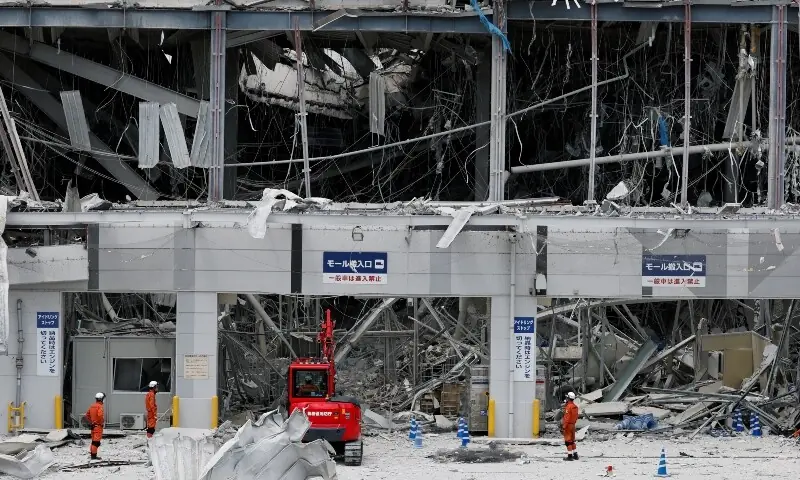 Rescuers were frantically searching on Wednesday for survivors of a 7.1-magnitude earthquake that shook southern Japan, killing at least 13 people, knocking out power to thousands of homes and rupturing roads across the region. Eight people were pulled from the rubble of a partially collapsed shopping mall near the city of Kumamoto that was torn apart by an apparent explosion about an hour after Tuesday’s earthquake. Of them, three have died. Mall operator Aeon said four workers at the Kumamoto shopping centre remained unaccounted for after checks of the roughly 2,700 staff. Customers had been evacuated right after the initial quake. Rescuers work at the damaged Aeon Mall shopping centre, where an explosion occurred after an earthquake with a magnitude of 7.1 struck Japan’s southern Kumamoto prefecture, in Kashima Town, Kumamoto Prefecture, Japan, July 29, 2026. —Reuters “Even now, there are people waiting to be rescued, and this is a race against time. We will marshal all available resources on the ground to...
 -
NU.nl - 03:33 Jul 29, 2026
De zware aardbeving die dinsdag het zuiden van Japan trof, heeft tot nu toe zeker dertien levens geëist. Dat meldt de Japanse premier Sanae Takaichi, die benadrukt dat hulpdiensten massaal op zoek zijn naar overlevenden onder het puin. -
NU.nl - 14:39 Jul 28, 2026
Na de aardbeving in Japan wordt dinsdag gevreesd voor meerdere doden door het instorten van een winkelcentrum in de prefectuur Kumamoto. Tientallen mensen zijn nog vermist. -
Cointelegraph.com - 13:11 Jul 28, 2026
 Analysis warned of a repeat of the 2024 yen carry-trade unwind that pressured crypto markets ahead of the next Bank of Japan interest-rate meeting. Japan’s central bank is in focus this week as its next interest-rate meeting comes amid new 40-year yen lows against the US dollar. Key points: Data from TradingView showed USD/JPY approaching 164 on Tuesday, just a fraction below new 40-year highs seen last week. Read more
 -
Dawn - 11:56 Jul 28, 2026
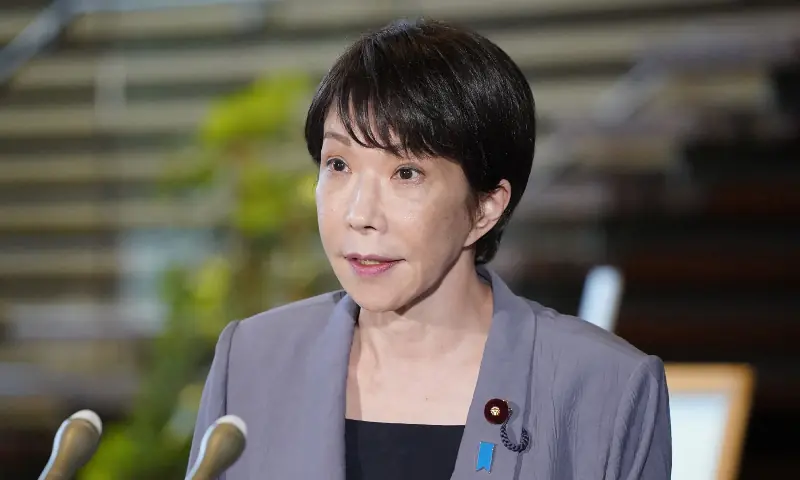 A 7.1-magnitude earthquake hit Japan’s southern Kumamoto prefecture on Tuesday, knocking out power to thousands of homes, rupturing roads and leaving some trapped and others presumed dead inside a partially collapsed shopping mall. Speaking to reporters at her office in Tokyo, Japanese Prime Minister Sanae Takaichi said authorities were still assessing the full extent of the damage in the area, which was devastated by a deadly quake a decade ago. “We have already been informed that people have been injured. Power outages and fires have occurred in some areas, and there has also been damage to roads and bridges and the collapse of buildings,” Takaichi said. “I ask everyone to take action to protect themselves, including evacuating to a safe location.” Japanese Prime Minister Sanae Takaichi speaks to the media at the Prime Minister’s Office, in Tokyo after a 7.1-magnitude earthquake hit southern Japan on July 28, 2026. — AFP Around 300,000 people have been instructed to go to evacuation centres, the disaster ma...
 -
NU.nl - 08:02 Jul 28, 2026
Een aardbeving met een magnitude van 7.1 heeft Japan getroffen. De beving vond plaats in de zuidelijke prefectuur Kumamoto. Er zouden meerdere gewonden zijn gevallen en meldingen van ingestorte gebouwen zijn, meldt de Japanse premier Sanae Takaichi. -
CryptoSlate - 19:10 Jul 16, 2026
A 2028 start depends on FIEA enforcement landing in 2027, while eligible assets and product approvals face separate gates. The post Japan passes the crypto law traders wanted but its 20% tax could still wait until 2028 appeared first on CryptoSlate. -
ukrinform.net - 22:33 Jul 15, 2026
Japan to strengthen counterintelligence efforts after report describing country as Russian 'spy hub'
Japan has acknowledged the need to strengthen its counterintelligence efforts following a media report claiming that Russia has turned the country into a "spy hub" and a key source of components for weapons production. -
Cointelegraph.com - 11:05 Jul 15, 2026
 Japan’s revised Financial Instruments and Exchange Act introduces crypto insider trading rules, tougher penalties and new oversight requirements for crypto businesses. Japan is set to reshape its cryptocurrency market with stricter trading rules, stronger user protections and a framework closer to traditional finance. The country’s parliament on Wednesday passed revisions that classify crypto assets as financial assets under Japan’s Financial Instruments and Exchange Act (FIEA), according to a report by local news agency Nikkei. The changes move Japan’s crypto regulation away from the Payment Services Act (PSA), which treated digital assets primarily as payment instruments, and introduce insider trading rules and stronger oversight for crypto businesses. Read more