News
-
Cointelegraph.com - 13:48 Oct 09, 2025
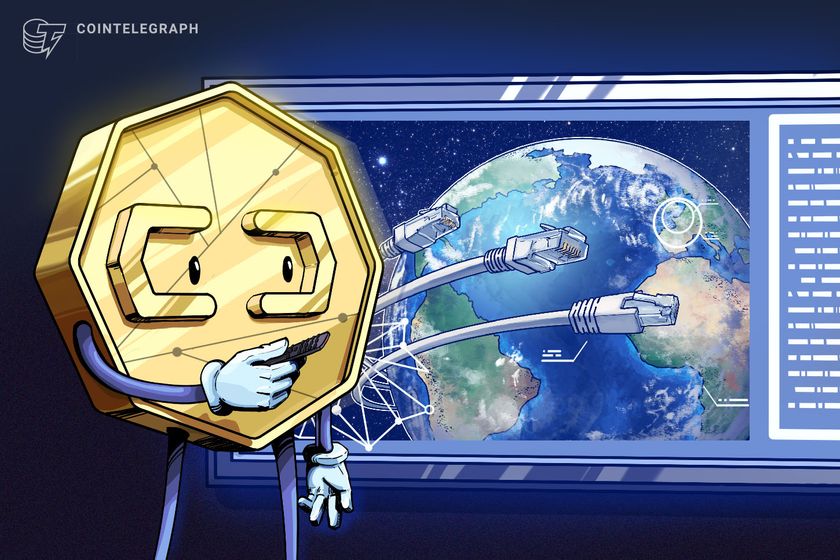 Afghanistan’s internet blackout highlighted the need for more decentralized internet infrastructure solutions to bolster blockchain’s resistance to censorship. Afghanistan’s recent nationwide internet outage underscored a critical weakness in the world’s leading decentralized blockchains: their dependence on centralized internet providers that remain vulnerable to government intervention and technical failures. The country suffered a near-total internet shutdown that lasted about 48 hours before connectivity was restored on Oct. 1, Reuters reported. The disruption was reportedly ordered by the Taliban administration, though officials later blamed “technical issues” involving fiber optic cables. While blockchains aim to provide people with a public, censorship-resistant network for value transfers, their reliance on centralized internet providers makes these use cases challenging during outages. Read more
 -
Focus.ua - 13:46 Oct 09, 2025
Многие думают, что неуязвимы в режиме "инкогнито" или "приватном режиме", которые предлагают многие браузеры, но это не так. -
Focus.ua - 13:43 Oct 09, 2025
Литовская компания Granta Autonomy разработала барражирующий боеприпас X-WING, который сейчас испытывается Силами обороны Украины. -
Focus.ua - 13:41 Oct 09, 2025
Британские супруги Донна и Фрэнк научились совмещать путешествия с подработкой на пенсии, пользуясь отпусками своих клиентов. Теперь, как они шутят, пара каждый год имеет "настоящий отпуск мечты". -
Focus.ua - 13:37 Oct 09, 2025
Современные планшеты стараются не отставать от смартфонов, и, если что-то новое появляется в одной сфере, то ее подхватывает и другая. Совсем недавно вышла серия смартфонов Xiaomi 17 с топовым процессором Snapdragon 8 Elite Gen 5. И вот уже анонсирован и первый планшет с этим чипом, – причем Xiaomi бросили вызов. -
Haaretz - 13:36 Oct 09, 2025
Between the need to heal and the duty to remember, between the longing to return home and the fear of renewed danger – a visit to the Gaza border kibbutzim reveals rebuilding and renewal, but also deep disputes and an unhealed wound: the hostages who have yet to come home -
CryptoSlate - 13:31 Oct 09, 2025
Ethereum is putting privacy back at the center of its roadmap. This November, during the Devcon conference in Argentina, the Ethereum Foundation will unveil Kohaku, a new wallet framework designed to let users transact without exposing unnecessary personal or transactional details. The project was introduced on Oct. 9 by Foundation developer Nicolas Consigny, who said […] The post Ethereum doubles down on privacy with new ‘Kohaku’ wallet ahead of Devcon appeared first on CryptoSlate. -
Dawn - 13:31 Oct 09, 2025
The PPP on Thursday said that Prime Minister Shehbaz Sharif and party chairman Bilawal Bhutto-Zardari had a phone call in which they discussed the “country’s prevailing political situation” amid the row between their two parties. The coalition allies have been trading barbs over how the PPP and PML-N have been providing aid to victims of the recent floods. The bad blood escalated to the point that leaders from both sides hold daily press conferences to take potshots at each other. In a post on X, the PPP confirmed the telephone call had taken place and that the country’s political situation, foreign policy and flood aid were among the topics of discussion. The war of words between the two sides expanded to water rights on the Indus River as Punjab Chief Minister Maryam Nawaz Sharif told the PPP leadership to keep its advice to itself. Last week, she said at a public address that she would not apologise for her remarks and censured the PPP for hurling “wrongful criticism” at the Punjab government over its hand... -
ukrinform.net - 13:31 Oct 09, 2025
The new water pipeline in Mykolaiv was built according to the latest engineering standards. It is the first facility of this level in Ukraine, combining a fiber optic control system, energy-efficient solutions, and protection against Russian drones. -
FD - 13:30 Oct 09, 2025
AI-samenvattingen van het nieuws ondermijnen het verdienmodel van uitgevers en geven big tech nog meer controle over het nieuws. -
Cointelegraph.com - 13:30 Oct 09, 2025
 EU regulations assume all tokens are transferable, leaving non-transferable digital assets in regulatory limbo. Blockchain Sandbox reveals the solution. Opinion by: Elisenda Fabrega, general counsel at Brickken Europe’s rulebook was written for assets that move. Yet a large class of assets, including non-listed company quotas and bespoke revenue-sharing contracts, is non-transferable by design. Because Markets in Crypto-Assets’ (MiCA) definitions presuppose transferability, and MiFID II targets transferable securities and continues to apply to the digital representations of such securities, these “digital but nontransferable” instrument representations fall into a regulatory blind spot. The EU Blockchain Sandbox offers a way out: recognizing that a faithful “digital twin” can preserve the legal nature of the original non-transferable asset rather than being automatically qualified as a new, transferable security token. Read more
 -
Cointelegraph.com - 13:30 Oct 09, 2025
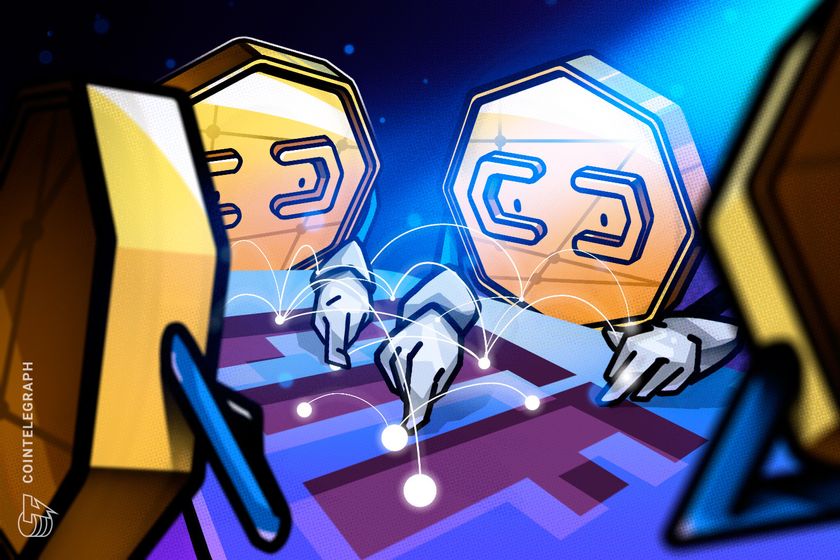 Bitcoin’s price spiked, and ETF inflows are on a tear as “Uptober” just gets started. Over the last two months, at least 31 crypto exchange-traded fund (ETF) applications were filed with the US Securities and Exchange Commission, 21 of which were filed in the first eight days of October. This ETF wave comes amid increased optimism in crypto markets, which have seen impressive gains over the last month. The price action has started a familiar pattern of markets booming in October, dubbed “Uptober.” This also coincides with major geopolitical developments that can affect the finance sector. In France, Prime Minister Sébastien Lecornu has stepped down after just 26 days, rocking the country’s financial markets. In the US, a government shutdown has put federal business on pause, including ETF considerations at the SEC. Read more
 -
Focus.ua - 13:29 Oct 09, 2025
21-летний сумоист из Винницы Даниил Явгусишин, известный в Японии под именем Аонишики Арата, заявил, что в будущем хотел бы получить гражданство Японии. На вопрос журналистов о войне в Украине спортсмен ответил коротко, отметив, что его родные сейчас находятся в безопасности в Германии. -
Focus.ua - 13:27 Oct 09, 2025
Имеете ли вы право что-то унаследовать, если вашего имени нет в завещании? А как вступить в права собственника из-за границы? Фокус выяснил важные вопросы по наследованию имущества и расспросил юристов, как не потерять право на наследство. -
CoinDesk - 13:24 Oct 09, 2025
A firmer U.S. dollar and fading risk appetite weighed on bitcoin Thursday, while Binance’s new Meme Rush platform targets surging Chinese-language memecoin speculation. -
Focus.ua - 13:23 Oct 09, 2025
После очередной серии ударов по железным дорогам в Сумах, Шостке, Конотопе и других станциях в АО "Укрзалізниця" раскрыли тактику действий ВС РФ. -
CoinDesk - 13:22 Oct 09, 2025
Institutional access, a surging debasement trade, and bitcoin’s rally above $125,000 are setting the stage for the strongest quarter ever for ETF flows. -
Focus.ua - 13:22 Oct 09, 2025
На фоне обсуждений в Вашингтоне о возможности передачи Украине крылатых ракет Tomahawk, ключевой вопрос остается в практической плоскости: сколько таких ракет вообще доступно у США и как быстро их можно пополнить производством. -
FD - 13:21 Oct 09, 2025
Volgens Thea Hilhorst, hoogleraar humanitaire studies aan de Erasmus Universiteit, is de Gazadeal niet helder geformuleerd. De betrokken partijen zullen nog veel moeten uitvechten over de invulling.