Korbit | Crypto
"Korbit" in Crypto feed
-
Cointelegraph.com - 08:51 Jul 24, 2026
 Mirae Asset reportedly plans to use the South Korean crypto exchange as a hub for tokenized assets, stablecoins and digital finance. South Korean crypto exchange Korbit will reportedly rebrand as Digital X after becoming part of Mirae Asset Group. Mirae Asset founder and global strategy officer Park Hyeon-joo announced the new name in an internal email to employees on Thursday, according to a Herald Business report. Park reportedly described Digital X as central to the group’s “Mirae Asset 3.0” strategy, which aims to combine digital assets with traditional finance. The company plans to expand into real-world asset (RWA) tokenization, security token offerings, stablecoins and traditional asset products. Park said the exchange would prioritize anti-money laundering controls, customer verification, information security and fraud detection as South Korea develops its crypto and tokenized securities rules. Read more
 -
CoinDesk - 06:10 Jul 24, 2026
The South Korean financial giant says its Korbit – soon to be rebranded as Digital X – is just the starting point for a broader ecosystem that connects RWAs, stablecoins and digital assets. -
Cointelegraph.com - 07:53 Jul 23, 2026
 Mirae Asset Consulting has become Korbit’s largest shareholder after completing its acquisition, with the exchange saying trading and customer asset protections are unchanged. Mirae Asset Consulting, an affiliate of one of South Korea’s largest financial groups, has completed its acquisition of a controlling stake in South Korean crypto exchange Korbit, becoming the exchange’s largest shareholder after completing regulatory procedures. Korbit said in a Thursday announcement published on its website that its operating entity remains unchanged and that trading, deposits and withdrawals will continue without interruption. The exchange added that customer assets remain segregated under South Korea’s Virtual Asset User Protection Act. Read more
 -
Cointelegraph.com - 10:04 Feb 15, 2026
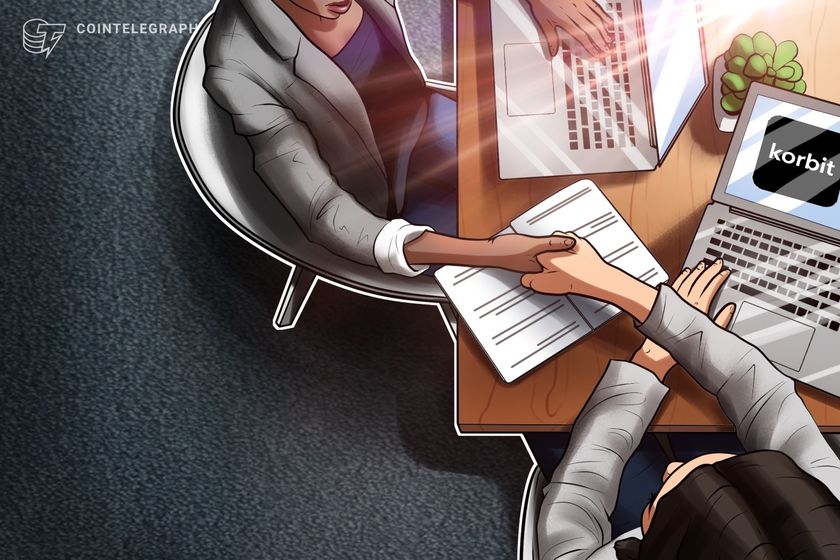 Mirae Asset Consulting agreed to acquire a 92.06% controlling stake in South Korean crypto exchange Korbit for about $93 million in cash. Mirae Asset Consulting, an affiliate of South Korean multinational financial services company Mirae Asset Group, has agreed to acquire a controlling stake in local crypto exchange Korbit. The company plans to purchase 26.9 million shares of Korbit for 133.48 billion won (about $93 million), a transaction that would give it a 92.06% ownership interest in the exchange, according to a Friday regulatory filing. The payment will be made entirely in cash Mirae Asset said the purpose of the acquisition is “to secure future growth drivers through digital-asset (virtual-asset) businesses,” per the filing. The company’s board approved the decision on Feb. 5, while reports on the planned deal initially surfaced last year. Read more
 -
CoinDesk - 12:47 Dec 31, 2025
The South Korean regulator slapped Korbit with a compliance penalty as the crypto exchange conducts talks to be bought by Mirae Asset. -
CoinDesk - 10:59 Dec 29, 2025
The financial group is in talks to acquire a 92% stake in Korbit for a as much as 140 billion won ($97 million). -
Cointelegraph.com - 11:41 Dec 28, 2025
 Mirae Asset Group is reportedly in talks to acquire South Korea’s crypto exchange Korbit in a deal valued at up to $100M, according to local media. Mirae Asset Group is in talks to acquire Korbit, South Korea’s fourth-largest cryptocurrency exchange, in a deal valued at roughly 100 billion to 140 billion Korean won ($70 million to $100 million). The potential acquisition would be led by Mirae Asset Consulting, a non-financial affiliate of the group, which has reportedly signed a memorandum of understanding with Korbit’s major shareholders, according to a Sunday report from The Chosun Daily. Korbit is primarily owned by NXC and its subsidiary Simple Capital Futures, which together hold about 60.5% of the exchange. SK Square owns an additional 31.5% stake. Read more
 -
Cointelegraph.com - 23:02 Jun 19, 2025
 WeChat hackers use victims’ friends to steal crypto. South Korean exchange Korbit denies hack after 12-hour maintenance. Chinese social media influencers have been targeted in a wave of WeChat account hacks, with attackers suspected of exploiting the messaging platforms security feature meant to keep them out. Since April, multiple victims claim hackers gained access to their WeChat login credentials and then triggered the platforms friend verification system. This security feature, one of three login options on WeChat, allows a users contacts to receive verification requests on their behalf when logging into a new device. Its intended as a backup when SMS or QR code authentication is unavailable. Cos, co-founder of blockchain security firm SlowMist, broke down the method in a June 17 post on X. He noted that attackers appear to target contacts with whom victims had minimal interaction, increasing the chances those users might mindlessly approve the request and forward the code. Read more