Crypto
-
CryptoSlate - 08:25 Aug 31, 2026
The 35.75-day backlog represents an annualized opportunity-cost estimate as deposits share a 256 ETH-per-epoch activation gate. The post A 36-day staking bottleneck is costing Ethereum depositors over $350,000 in lost rewards daily appeared first on CryptoSlate. -
CryptoPotato - 08:19 Aug 31, 2026
After months of negative or neutral readings, XRP's Sharpe Ratio on Binance has climbed to a one-year high. What does that mean? -
CoinDesk - 08:18 Aug 31, 2026
Bitcoin is holding near $78,000 as August closes. The dollar strength that pushed the yen past its intervention line is the same force capping crypto. -
CoinDesk - 08:04 Aug 31, 2026
The split was mutual, with both parties citing differing views on the future of Bitcoin mining and recent protocol developments. -
CryptoPotato - 06:49 Aug 31, 2026
Tectonic's assets plunged from about $121 million to $3 million after an exploit targeted its thinly traded TONIC token. -
CoinDesk - 06:42 Aug 31, 2026
Odds of a rate hike in September remain below 60% despite Warsh's hawkish speech on Friday. Observers downplay fears of tightening. -
CryptoSlate - 06:30 Aug 31, 2026
The Aug. 25 CFTC snapshot shows 115.7 million XRP-equivalent net short against rising dealer and asset-manager net longs. The post XRP’s next rally could put this 115 million-token short under pressure appeared first on CryptoSlate. -
CryptoPotato - 05:42 Aug 31, 2026
Another busy economic week is ahead of us as investors are trying to predict what the Fed will do next. -
CoinDesk - 05:23 Aug 31, 2026
Zakura says a new cryptography stack makes mobile proof generation more than 14 times faster, removing one of the biggest delays users face when sending private ZEC. -
CoinDesk - 04:57 Aug 31, 2026
An attacker allegedly pushed Tectonic’s thinly traded TONIC token up 100-fold, used it as collateral to borrow real assets and left most funds stranded when Cronos validators paused the network. -
CryptoPotato - 04:53 Aug 31, 2026
The liquidations topped $200 million within an hour once the entire market headed south suddenly. -
CoinDesk - 04:29 Aug 31, 2026
BTC remains August's best-performing asset after the latest escalation in geopolitical tensions. -
Cointelegraph.com - 03:25 Aug 31, 2026
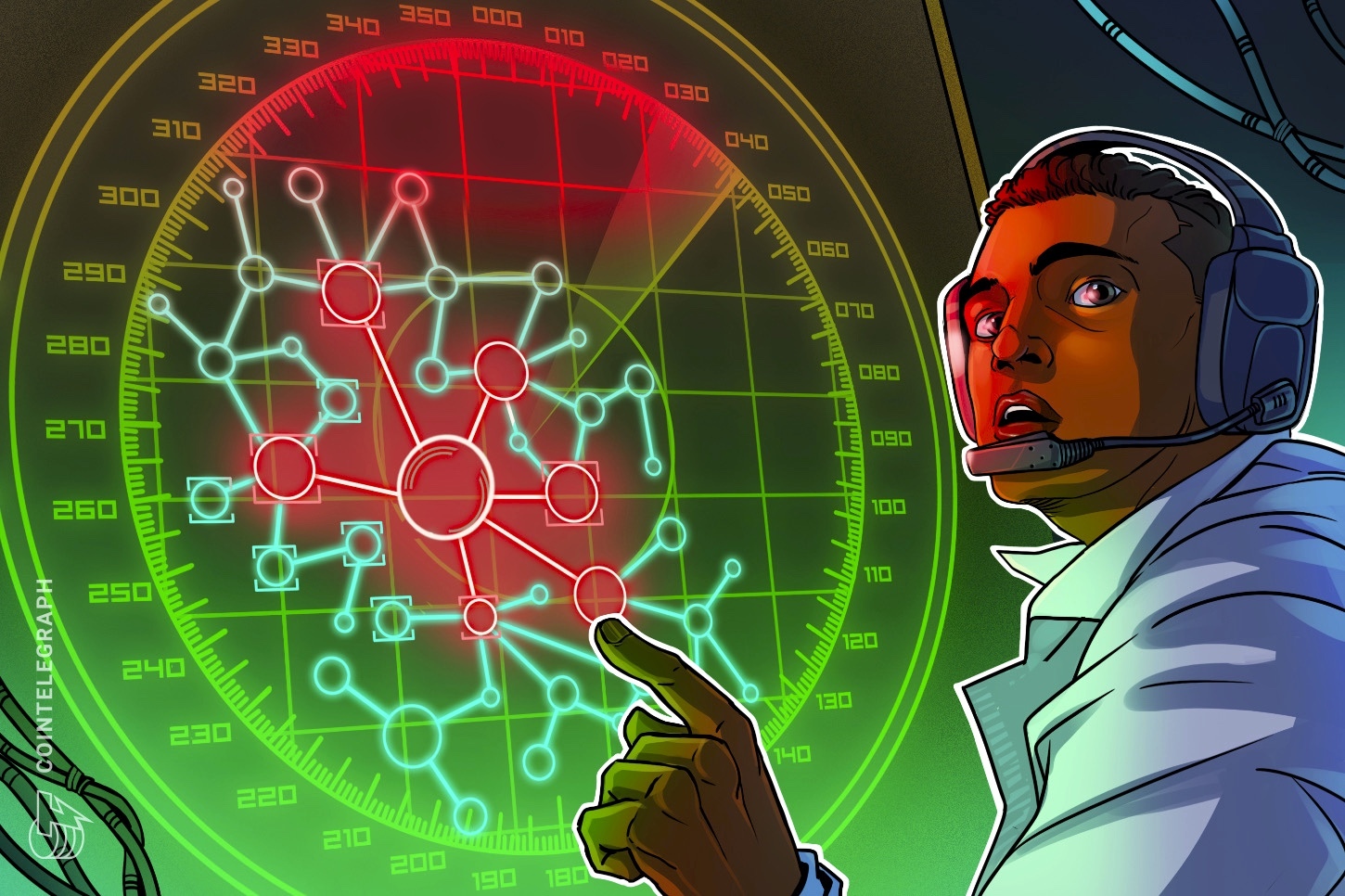 Crypto.com CEO Kris Marszalek said the company’s app and exchange were unaffected by the Tectonic breach and continued operating normally. Cronos halted its blockchain after an exploit targeting decentralized lending protocol Tectonic involved an estimated $75 million, most of which remains on the Cronos network at the time of writing. On Sunday, Cronos said it identified an exploit in Tectonic and halted the network, promising updates. Tectonic separately warned users not to interact with the protocol while it investigated. Neither project has confirmed the cause or loss, and no restart timeline had been announced at publication. Researcher Weilin Li said the attacker exploited TONIC’s 20% collateral factor and thin liquidity, pumping the governance token’s price 100-fold within 20 minutes before borrowing other assets. Li described it as a “Mango-market style” pump-and-borrow attack. Read more
 -
Cointelegraph.com - 23:36 Aug 30, 2026
 Bitcoin moves toward a post quantum future, Solana validators agree to curb rampant inflation and the bull case from Bernstein is for Bitcoin to peak at $500K this cycle. Despite considerable skepticism among Bitcoiners about how close the quantum threat to Bitcoin is, two stories this week highlighted the progress being made toward upgrading the blockchain and protecting outputs from attack. StarkWare researcher Avihu Levy tested an experimental quantum-resistant transaction on the Bitcoin mainnet that protects it during the brief period when public keys are exposed in the mempool. Onchain data shows that StarkWSare spent a 10,000-satoshi output protected by Levy’s Quantum Safe Bitcoin (QSB) scheme which combines hash-based one-time signatures with computational searches that bind an authorization to a specific transaction. It’s more of a last resort than a practical measure, as each transaction takes hours and costs $150 to $200. Read more
 -
Decrypt - 23:31 Aug 30, 2026
Gabriel Perez used his access to Trump's speeches before delivery to bet on "presidential mention market" contracts, profiting more than $107,500 before the CFTC caught up with him. -
Decrypt - 22:31 Aug 30, 2026
The Austin and Kyoto hard forks, deployed quietly on the Bor and Heimdall clients before public disclosure, closed denial-of-service and consensus-hardening flaws that Polygon says were never exploited. -
CryptoPotato - 21:33 Aug 30, 2026
DeFi's latest rally reflects growing expectations that protocol economics could matter more in token valuations. -
Decrypt - 21:31 Aug 30, 2026
Spot Bitcoin ETFs shed $201.9 million on Aug. 28, ending a nine-day inflow run, even as Ethereum funds extended a 10-day streak with fresh cash. -
CryptoSlate - 20:00 Aug 30, 2026
Circle's wrapped Bitcoin was overcollateralized at its Aug. 27 snapshot, yet WBTC and cbBTC remain thousands of times larger as Arc becomes the next distribution test. The post CEO Jeremy Allaire says Circle built “the platform for the internet financial system”, but cirBTC has only 40 BTC appeared first on CryptoSlate.