Crypto
-
CryptoPotato - 10:19 Sep 20, 2026
If you had shown BTC investors the headlines from the past several days a week ago, most would have expected a bloodbath. -
CryptoSlate - 10:05 Sep 20, 2026
You can be right about who will win an election and still pay too much to bet on it. On prediction markets, the price available when you open the app may be gone by the time you try to buy, especially when news sends other traders rushing toward the same outcome. It took very little […] The post Why real-time election odds are misleading prediction market crypto traders appeared first on CryptoSlate. -
Cointelegraph.com - 09:14 Sep 20, 2026
 At the close of trading on Sept. 28, shareholders will receive two extra shares for each one they hold. Grayscale’s Zcash ETF (ZCSH) plans a 3-for-1 forward share split, according to a filing with the US Securities and Exchange Commission. At the close of trading on Sept. 28, shareholders will receive two extra shares for each one they hold, according to the filing. The forward split is expected to decrease the price per share of the fund, according to a Grayscale press release, with a proportionate increase in the number of shares outstanding. Read more
 -
CryptoSlate - 08:00 Sep 20, 2026
Crypto Twitter (now X) has always been a place where someone with an illustrated animal for a profile picture can explain why your financial future depends on a token you just learned about. Now X’s Cashtag links are shortening the route from that conversation to a crypto exchange. Kraken joined X's US Cashtag partner program […] The post X brings crypto trading closer to your social feed appeared first on CryptoSlate. -
Cointelegraph.com - 07:51 Sep 20, 2026
 The partnership is non-exclusive, and Anthropic expects to announce other evaluators in forthcoming weeks with which it will also work. Anthropic said it has chosen Accenture as its first embedded evaluator to help slow the pace of AI development as proposed last week by CEO Dario Amodei. Amodei published a three-step proposal on Sept. 12 to slow the development of AI and allow safeguards to be put in place amid warnings of a potential for catastrophic harm in the wake of swift, unchecked development. Read more
 -
CryptoPotato - 07:42 Sep 20, 2026
XRP slumped after the CLARITY Act failure more than other major cryptocurrencies. So, what now? -
CryptoSlate - 06:30 Sep 20, 2026
The one-year share rose 0.98 percentage points in a month while adjacent age bands shifted around the threshold. The post Why Bitcoin’s 63% HODL wave isn’t the mega bull signal everyone thinks it is appeared first on CryptoSlate. -
CryptoPotato - 05:41 Sep 20, 2026
The tension in the Middle East is on the rise once again on several fronts. -
CryptoPotato - 03:50 Sep 20, 2026
Police used public blockchain records and open-source intelligence to trace the Polymarket users despite the platform's non-custodial design. -
CryptoPotato - 22:22 Sep 19, 2026
The company has secured another $30 million in financing as it moves closer to completing its planned public-market debut. -
CryptoSlate - 22:05 Sep 19, 2026
Like fashion, investing eventually finds something embarrassing in the back of the wardrobe and puts it on again. Millennial-era crypto gave us yield-bearing dog coins and all kinds of food-themed financial contraptions. Now Gen Z has entered the market in JNCO jeans, carrying an ironic digicam and, in at least one corner of the market, […] The post Gen Z are investing like Boomers – with some surprising portfolio decisions appeared first on CryptoSlate. -
Cryptonews.com - 21:37 Sep 19, 2026
When prompted, Google Gemini AI predicts that under a full bull market structure between now and 2027, XRP could surge as high as $7, a 5x move from current prices, which will be sure to excite the Ripple army. XRP currently trades near $1.30–$1.32, as of September 18, well below its prior cycle high near […] The post Google Gemini AI Predicts an Explosive End to 2026 for XRP appeared first on Cryptonews. -
CryptoSlate - 21:02 Sep 19, 2026
Washington came surprisingly close this week to writing a dollar amount into one of its thorniest crypto ethics rule debates. Under the final Senate draft of the CLARITY Act, senior federal officials holding equity worth at least $15,000 in certain businesses that issue or sponsor digital assets would have had to sell that interest or […] The post Why Trump backed a crypto ethics rule that stopped at the family business appeared first on CryptoSlate. -
CryptoSlate - 20:10 Sep 19, 2026
Friday broadened demand, yet the two-day rebound left the midweek withdrawal gap partly open. The post Fidelity surge brings in $310M BTC saving Bitcoin ETFs from a disastrous week appeared first on CryptoSlate. -
CryptoPotato - 20:05 Sep 19, 2026
S&P Global is acquiring OpenZeppelin to enhance its push into digital assets and onchain markets. -
Cointelegraph.com - 19:14 Sep 19, 2026
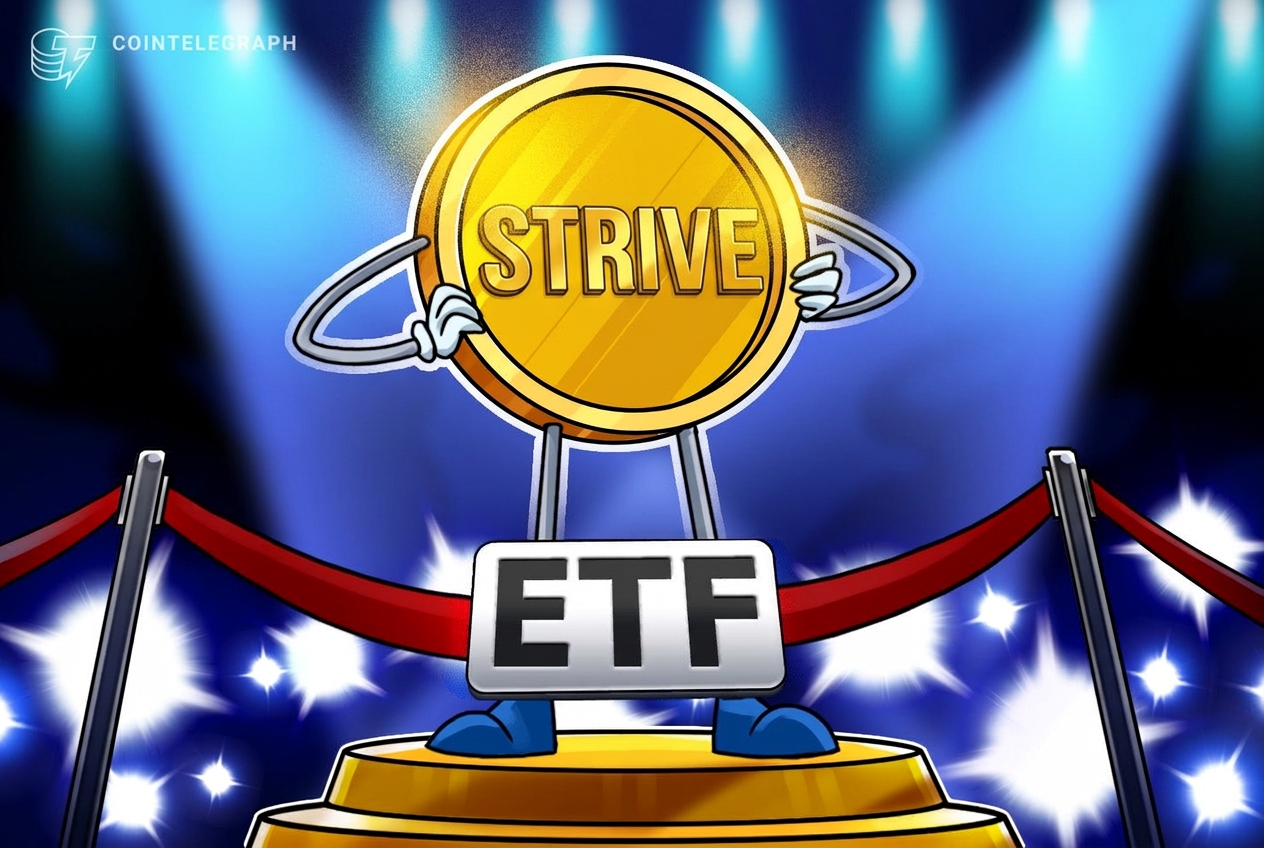 The new ASSX fund offers 2x daily exposure to Strive shares, giving traders a leveraged way to bet on the Bitcoin treasury company. REX Shares and Tuttle Capital Management launched a leveraged ETF that seeks to deliver twice the daily performance of Strive, a publicly traded Bitcoin treasury company and asset manager. The T-REX 2X Long ASST Daily Target ETF began trading Friday under the ticker ASSX on Cboe and seeks to deliver 200% of Strive’s daily share-price performance before fees and expenses. The fund resets its leverage daily, meaning returns over periods longer than one trading day can differ significantly from twice the performance of Strive shares. Unlike spot Bitcoin ETFs, ASSX does not hold Bitcoin or seek to track its price, instead providing leveraged exposure to Strive shares. Read more
 -
CryptoSlate - 19:00 Sep 19, 2026
Chelsea has found a cool new shirt sponsor whose main product is…a stablecoin? USDC is designed to be worth one dollar. Today, tomorrow, next Tuesday: one dollar. If everything is working properly, absolutely nothing should happen to its price, so there is not much room for a victory parade. And yet Circle, the company behind […] The post Circle wants you to love USDC a little like you love Chelsea appeared first on CryptoSlate. -
CryptoPotato - 18:47 Sep 19, 2026
From "rat poison squared" to "stay away from it" - some of his remarks have been quite brutal. Yet, BTC's market cap is bigger than Berkshire's. -
Cointelegraph.com - 18:35 Sep 19, 2026
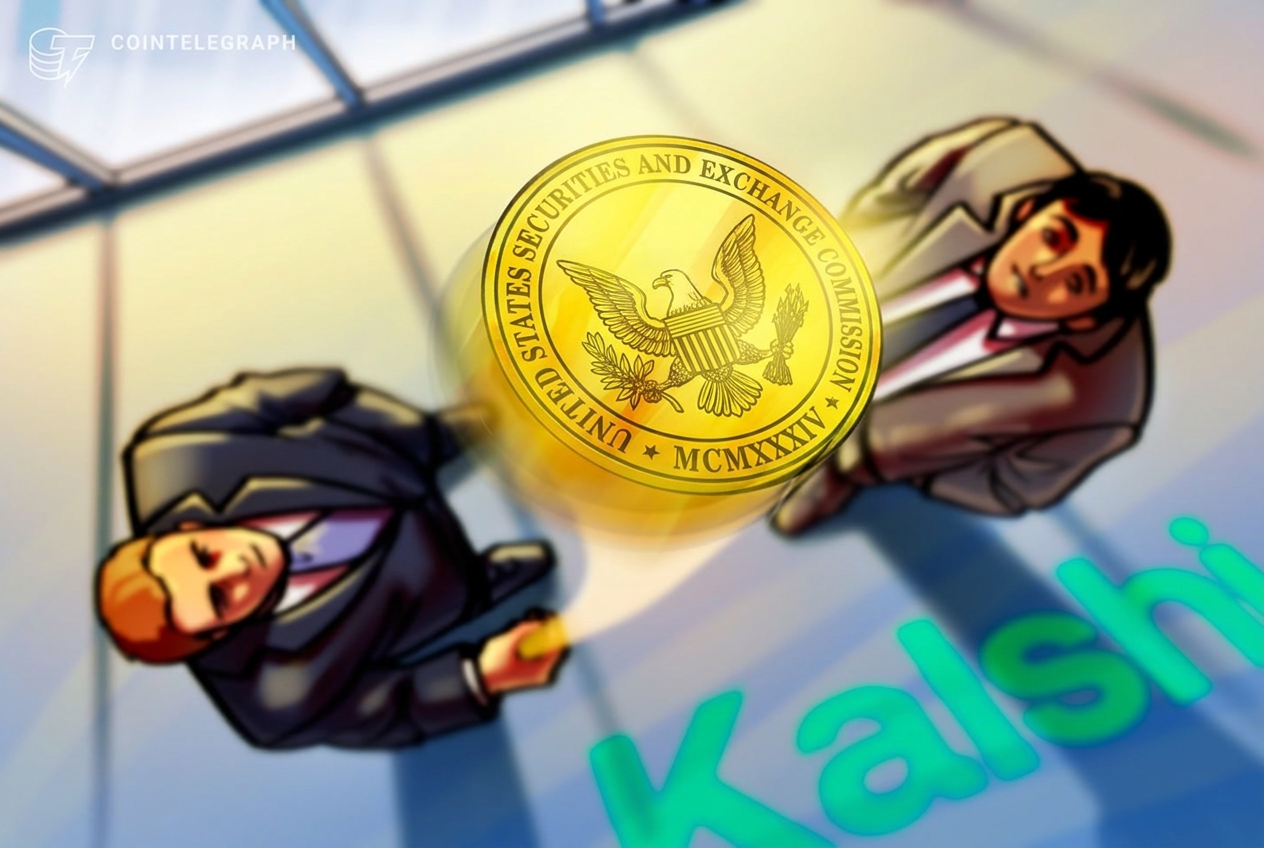 Kalshi’s proposal would bring perpetual futures tied to individual stocks to US traders, as Coinbase and Bitnomial pursue similar products. Kalshi has filed to offer perpetual futures tied to individual US stocks, joining Coinbase in a push to bring crypto-style derivatives to traditional equity markets. The prediction market filed the proposed rule change with the Securities and Exchange Commission and submitted it to the Commodity Futures Trading Commission (CFTC) for approval on Friday. The CFTC has yet to approve the proposal. The proposed contracts would have no preset expiration date and would use periodic funding payments between long and short positions to keep their prices aligned with the underlying stocks. Kalshi said the contracts would be treated as security futures products and cleared through its CFTC-registered clearinghouse, Kalshi Klear. Read more