Crypto
-
Cointelegraph.com - 06:28 Aug 11, 2026
 South Korea will remove its 1 million won Travel Rule threshold and apply information-sharing requirements to all transfers between registered crypto service providers. South Korea will expand its crypto Travel Rule to all transfers between registered virtual asset service providers (VASPs), removing the current 1 million won (about $700) threshold. The country’s Cabinet approved amendments to the Enforcement Decree of the Act on Reporting and Using Specified Financial Transaction Information on Tuesday. Under the changes, the Travel Rule will apply to all transfers between registered crypto service providers regardless of value. Receiving platforms will also be required to obtain sender and recipient information and may request missing information or reject transactions when required data is unavailable. Read more
 -
CoinDesk - 06:19 Aug 11, 2026
The project said it will pay 10% of recovered funds, up to 3 BTC, after attackers stole LND credentials and drained merchant Lightning wallets last week. -
Cointelegraph.com - 06:00 Aug 11, 2026
 Decta will use USDC through OpenPayd’s infrastructure for international treasury settlement, seeking faster transfers and more efficient liquidity management. Update Aug. 11, 11:15 am UTC: This article has been updated to modify comments from Decta UK CEO Scott Dawson. Payments platform Decta will use USDC to settle its own funds internationally, bringing stablecoins into its back-end treasury operations. Decta said Tuesday that it will use OpenPayd, a financial infrastructure company, to convert company funds into USDC for international settlement, according to an announcement shared with Cointelegraph. Read more
 -
CoinDesk - 05:26 Aug 11, 2026
The breakaway chain has produced two blocks since splitting off on Saturday. Bitcoin has produced more than 300 in the same stretch. -
CryptoPotato - 04:59 Aug 11, 2026
Prediction markets terminal Fireplace is shutting down less than seven months after launch. The company raised $1.5 million in February and is giving users until September 30 to close positions and withdraw funds. -
Cointelegraph.com - 04:54 Aug 11, 2026
 Luke Dashjr lost his BIP editor privileges after developers raised concerns over his role in BIP 110 and its stalled minority fork. Bitcoin developer Luke Dashjr has been removed as an editor of Bitcoin Improvement Proposals following a dispute over his role in BIP 110. Bitcoin developer Mark Erhardt opened the pull request on Sunday after recommending Dashjr’s removal on the Bitcoin Developer mailing list. Erhardt said Dashjr had been “heavily involved” in creating and implementing BIP 110 and alleged that he unfairly favored the proposal while serving as an editor, including by attempting to assign it a BIP number before mailing-list discussion and quickly merging an update to it. Read more
 -
CoinDesk - 04:50 Aug 11, 2026
Bitcoin failed to hold $65,000 for a fourth day as an oil rally revived inflation worries before Wednesday's U.S. price data. -
Cointelegraph.com - 04:12 Aug 11, 2026
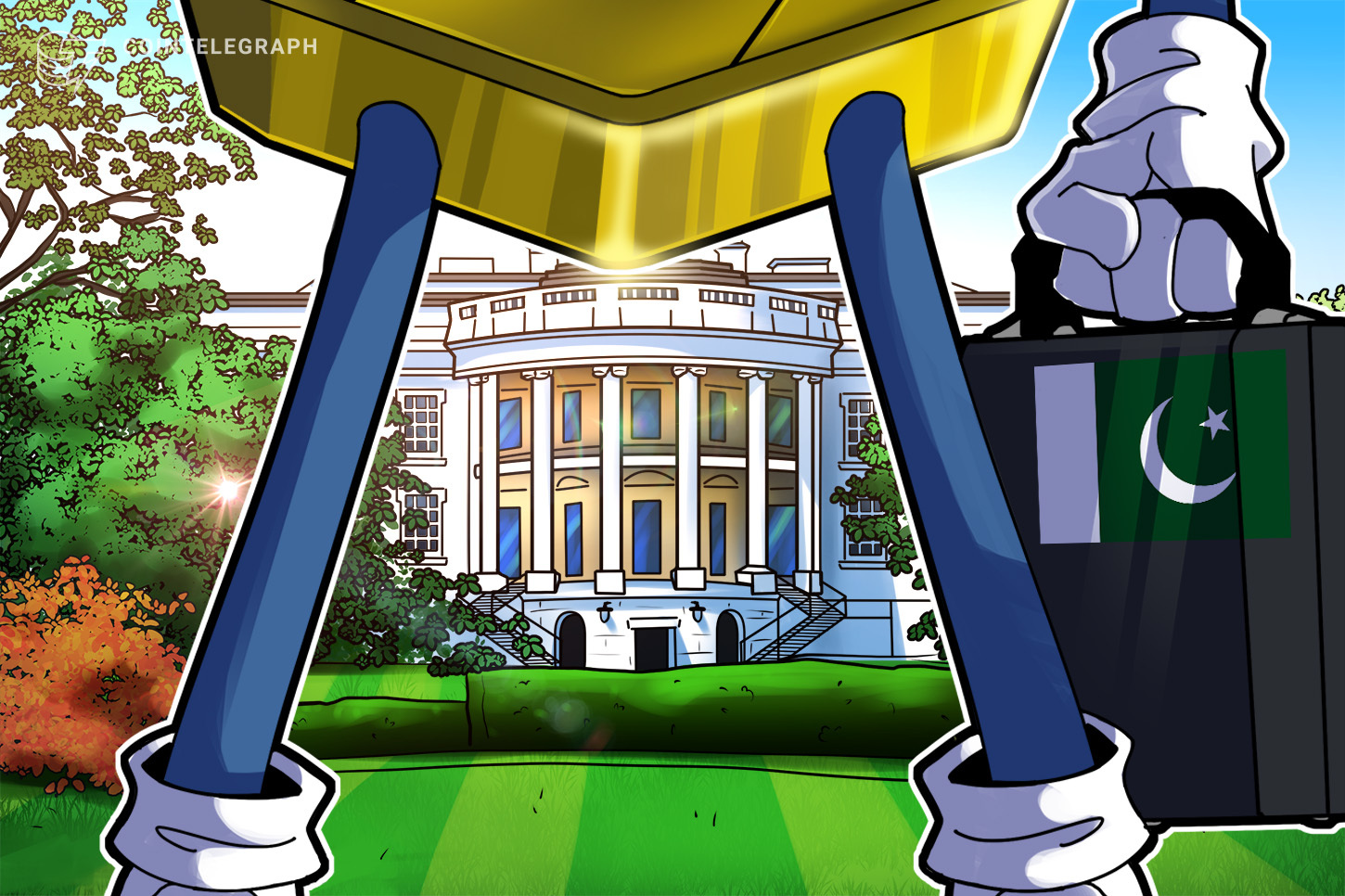 Patrick Witt says the Trump administration will keep negotiating with Democrats as the Senate prepares for a September CLARITY vote. US President Donald Trump’s administration remains committed to passing the CLARITY Act in September despite the Senate’s decision to delay action until after its August recess, according to the White House’s top crypto policy official. Patrick Witt, executive director of the President’s Council of Advisors for Digital Assets, said Tuesday on X that the administration would continue negotiating with Democrats “all the way up until the September vote,” adding, “we also can’t afford to wait forever.” The Senate is expected to hold a cloture vote on the bill in mid-September, a procedural step that would require 60 votes to advance CLARITY toward a final vote. Read more
 -
CoinDesk - 04:07 Aug 11, 2026
The Securities and Exchange Commission will vote this week to start its first major crypto rulemaking process. -
CoinDesk - 03:48 Aug 11, 2026
Elite wallets holding over 10,000 BTC has hit a six-month high of 90, building on earlier accumulation by mid-sized whales amid Coldcard fallout and Clarity Act delays. -
CryptoPotato - 03:39 Aug 11, 2026
A parallel channel, TD Sequential buy signal, and MACD golden cross are creating a potentially bullish setup for SOL near $78. -
Cointelegraph.com - 03:21 Aug 11, 2026
 Trump Media says it will take a more disciplined approach to its crypto treasury while directing more resources toward its core media business. Trump Media said it plans to revamp its digital asset treasury strategy after unrealized losses on crypto and securities helped push the company to a $238 million net loss in the second quarter. The company reported $190.4 millio n in unrealized losses across its digital assets, pledged digital assets and equity securities in its Q2 earnings release on Monday. Trump Media said the new framework is intended to preserve its long-term digital asset exposure while managing volatility and improving the productivity of its balance sheet. Read more
 -
Cointelegraph.com - 02:08 Aug 11, 2026
 The Bitcoin Red Team has been forced to rely on open source Chinese AI, after OpenAI restricted access. Thailand sets crypto tax to 0% in bid to become crypto hub. THAILAND For the next few years crypto investors in Thailand won’t have to pay any capital gains taxes on sales made via platforms licensed by Thailand’s Securities and Exchange Commission. The exemption is for five years and covers the period of January 1 2025, through to December 31 2029. The scheme aims to boost Thailand’s attractiveness as a regional crypto hub, and it’s already home to a growing community of crypto digital nomads However trades on unlicensed or overseas exchanges will still face standard personal tax rates as high as 38%. The exemption aligns the tax treatment of crypto with capital gains from traditional securities in the country. Thailand previously waved 7% value added tax on crypto gains in early 2024. Read more
 -
CryptoSlate - 00:30 Aug 11, 2026
ETHE, GSOL and GAVA must sell earned rewards at least quarterly, creating recurring cash payouts without scheduling principal liquidation. The post Grayscale turned more than $1.1 billion of staked crypto into a recurring reward-sale machine for ETF holders appeared first on CryptoSlate. -
CryptoPotato - 23:58 Aug 10, 2026
Jupiter has launched Lend v2 on Solana, allowing both supplied and borrowed assets to earn DEX trading fees while being used in lending positions. -
CryptoSlate - 23:10 Aug 10, 2026
The six-month loss was predominantly non-cash, while the company estimates its full staking portfolio could take about 90 days to convert. The post SharpLink posts $1B loss as its $1.7B Ethereum treasury could take 90 days to fully convert to cash appeared first on CryptoSlate. -
CryptoSlate - 22:30 Aug 10, 2026
Civil creditors could compel custodians to freeze, disclose, transfer, swap and sell debtors’ assets if the rules advance. The post South Korea puts crypto exchanges on a seven-day clock under new seizure rules appeared first on CryptoSlate. -
CryptoSlate - 22:15 Aug 10, 2026
If the court grants the proposed fee and expenses stay within the stated estimate, at least $2.985 million remains before other deductions. The post Athena Bitcoin agreed to a $4.5 million settlement, but claimants may have less than $3 million to split appeared first on CryptoSlate. -
Cryptonews.com - 21:56 Aug 10, 2026
The lawsuit that defined XRP for years is over, and that changes the math. ChatGPT AI predicts a run from $1.02 to $4 to $6 by the end of 2026, with the price prediction reaching $7 to $8 in a full risk-on breakout.Removing the SEC litigation removed the biggest legal overhang. ChatGPT argues this makes […] The post Sam Altman ChatGPT AI Says XRP Real Test Is Still Ahead appeared first on Cryptonews.