Crypto
-
CryptoSlate - 21:20 Sep 22, 2026
Agora, Catena and Bastion still face final approval or conversion, leaving distribution and liquidity to decide who gains an edge. The post Why newly granted federal approval won’t save these 3 crypto banks appeared first on CryptoSlate. -
Decrypt - 21:16 Sep 22, 2026
Four ancient wallets moved 1,971 BTC between Sept. 6 and Sept. 22, including a 600 BTC transfer worth $51.9 million just hours ago, with three of the four carrying "Noah Doe" lawsuit tags. -
Cointelegraph.com - 21:06 Sep 22, 2026
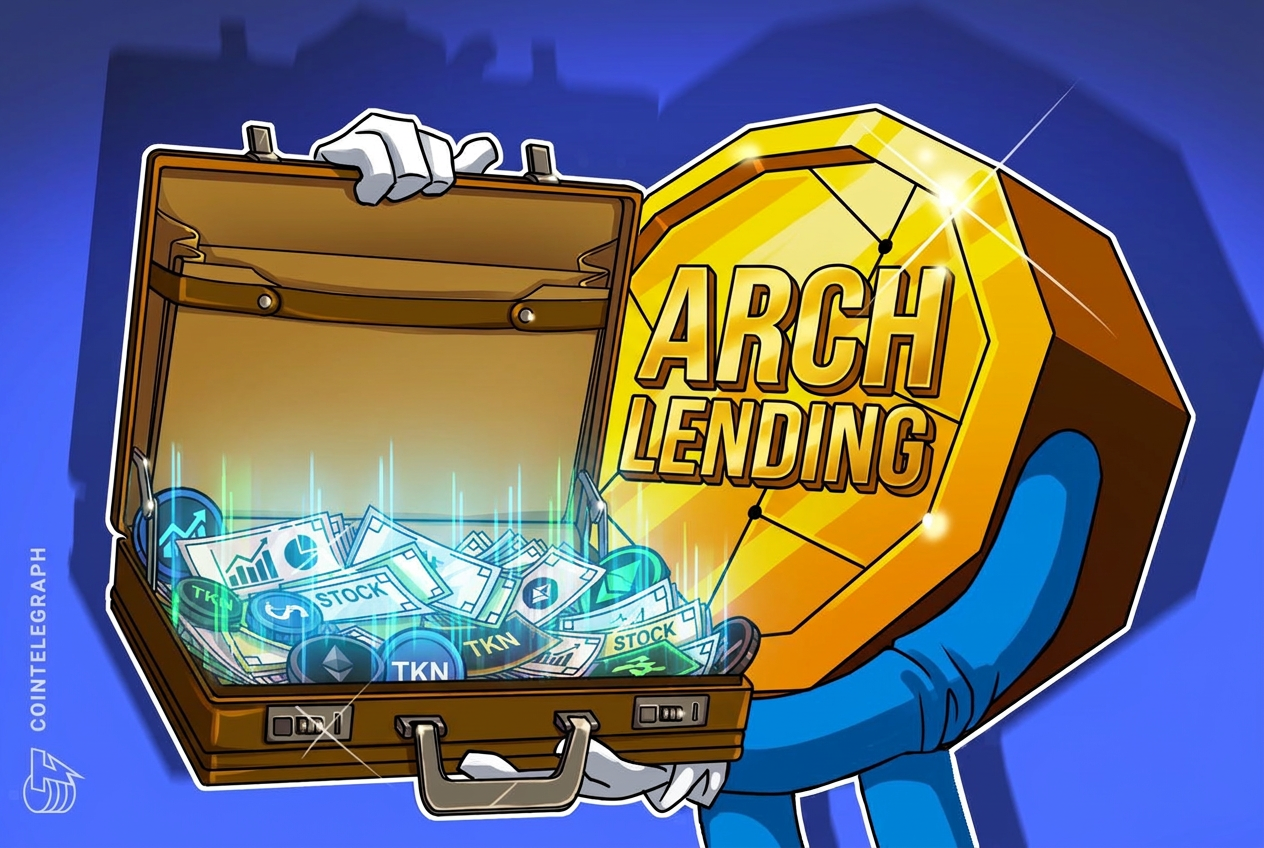 Arch Lending’s Himanshu Sahay said on Cointelegraph’s Chain Reaction podcast that the lender plans to move into tokenized equities as onchain stocks gain traction as collateral. Crypto lender Arch Lending plans to expand into loans backed by tokenized equities as the market for onchain stocks expands and lenders begin exploring new uses for the assets as collateral. Read more
 -
Cointelegraph.com - 20:57 Sep 22, 2026
 Many Democrats have previously called for investigations into the Trump family’s crypto ventures, but now a Republican is asking for an inquiry based on ties to the presidency. Senator John Curtis, a Republican representing Utah, sent a letter to leaders of the Senate Judiciary Committee calling for an investigation into US President Donald Trump’s and former President Joe Biden’s sons, citing the former’s involvement in the crypto industry. In a Monday letter to Senate Judiciary Committee Chair Chuck Grassley and ranking member Dick Durbin, Curtis said that the body should probe “the use of presidential family relationships for private financial benefit, preferential treatment, or access by domestic and foreign interest.” He also asked for subpoenas for Donald Trump Jr. and Hunter Biden, Joe Biden’s son. The Utah lawmaker specifically called out Donald Trump Jr. for accepting gifts from Russian oligarch Umar Kremlev as part of his wedding, his “active promotion of family-backed cryptocurrency ventures” and a...
 -
Decrypt - 20:46 Sep 22, 2026
The exchange operator is adding standard and micro contracts for BCH and UNI, extending a pattern of altcoin rollouts that already covers Cardano, Chainlink, Stellar, Avalanche, and Sui. -
CoinDesk - 20:31 Sep 22, 2026
White House and U.S. Treasury officials agree that despite some hope that Congress' "lame duck" session could see the bill again, the work's in regulators' hands. -
CryptoPotato - 20:25 Sep 22, 2026
Corporate buying and spot demand support the recovery, while weak momentum and upcoming market risks keep pressure on Bitcoin. -
CryptoSlate - 20:15 Sep 22, 2026
PQLN protects five off-chain surfaces with sub-millisecond cryptography, but its default design drives gossip downloads up 10.2 times. The post Bitcoin may go quantum-safe while Lightning privacy stays exposed appeared first on CryptoSlate. -
Decrypt - 20:01 Sep 22, 2026
Head of cryptography Yehuda Lindell says the exchange is designing custody that can adapt to whatever post-quantum signing scheme Bitcoin adopts. -
Cointelegraph.com - 19:56 Sep 22, 2026
 The country’s largest financial institutions are exploring tokenized deposits for interbank payments, just weeks after regulators clarified how they should be treated. Canada’s six largest banks are jointly exploring a system for tokenized Canadian dollar deposits that would allow digital representations of bank deposits to move between financial institutions. The initiative involves Bank of Montreal, CIBC, National Bank of Canada, Royal Bank of Canada, Scotiabank and TD Bank Group, according to a joint announcement from the banks on Tuesday. The first phase will focus on moving tokenized deposits between Canadian financial institutions before potentially connecting with other digital asset systems. The project comes less than two weeks after Canada’s banking regulator provided additional clarity on the legal permissibility of tokenized deposits for financial institutions. Read more
 -
Decrypt - 19:31 Sep 22, 2026
Galaxy Research says white-hat actors consolidated coins tied to the exploit into a fresh address tagged for a "Crypto Recovery Trust," though the funds represent just 2.8% of the total haul. -
CryptoSlate - 19:20 Sep 22, 2026
Exclusivity expired without definitive terms, but Animoca says its broader major-exchange relisting push remains intact. The post Animoca Brands suspends Currenc deal that would have taken it public appeared first on CryptoSlate. -
CryptoPotato - 19:03 Sep 22, 2026
x402 processed more than 75 million transactions worth roughly $24 million over the past month, involving 94,000 buyers and 22,000 sellers. -
Decrypt - 19:00 Sep 22, 2026
OpenAI cut prices 50% on its mid-tier models the same day Anthropic shipped a cheaper flagship, escalating a rivalry now measured in minutes. -
Decrypt - 18:46 Sep 22, 2026
A stretched but firmly bullish Bitcoin chart is riding the same tailwind lifting stocks: falling oil, a record Nasdaq, and a Fed that hiked rates while quietly pumping liquidity into the system. -
CryptoPotato - 18:22 Sep 22, 2026
[PRESS RELEASE – Miami, FL, USA, September 22nd, 2026] Kaplan Rothstein Prüss Peraza (KRP2), a prominent cybersecurity and data privacy litigation firm, has announced the expansion of its specialized legal practice focused on recovering digital assets lost to SIM swap fraud. The firm is scaling its plaintiff-side litigation efforts across Florida, New York, and California […] -
Decrypt - 18:16 Sep 22, 2026
Bernstein now projects prediction markets will handle $10 trillion a year by 2035, up from its own $1 trillion by 2030 forecast made just five months ago. -
CryptoSlate - 18:05 Sep 22, 2026
The index measures shock-amplification capacity, exposing funding risks that can build while spot demand remains firm. The post Why Bitcoin’s rally is dangerous according to new Fed data appeared first on CryptoSlate. -
CryptoPotato - 17:49 Sep 22, 2026
"The DOGE breakout to $1 has begun. It will happen much faster than you think," one popular analyst claimed. -
Decrypt - 17:49 Sep 22, 2026
Anthropic's new flagship claims Fable 5.1-level performance at a fraction of the cost—but GPT-6 Astra still beats it on two published benchmarks.