Crypto
-
CryptoPotato - 11:08 Sep 19, 2026
Many alts have marked double-digit pumps, including PIEVERSE, MORPHO, INJ, and ENA. -
CryptoSlate - 10:40 Sep 19, 2026
Brazil's central bank will bar virtual assets, including stablecoins, from settling one specific type of international payment flow starting Oct. 1. Resolution 561 targets the settlement leg between regulated foreign-exchange providers and their overseas counterparties, requiring that leg to run through a licensed FX transaction or a qualifying non-resident real account. Individual international transfers using […] The post Brazil blocks stablecoins from key cross-border payment rail as $1.1 trillion market faces new limits appeared first on CryptoSlate. -
CryptoSlate - 09:06 Sep 19, 2026
Bitcoin hit an intraday high of $81,400 on Friday, approaching the low-$82,000 zone that has capped every recovery attempt since late August. US spot Bitcoin ETF shares stop trading once American markets close for the weekend. Any further push through that ceiling over the next two days would occur in continuously open crypto markets, without […] The post Bitcoin survived the Fed and CLARITY, and now faces the next major test at $82,000 this weekend appeared first on CryptoSlate. -
CryptoPotato - 08:24 Sep 19, 2026
Aside from the initial dip to $75,000, BTC has shown impressive resilience. -
Cointelegraph.com - 07:50 Sep 19, 2026
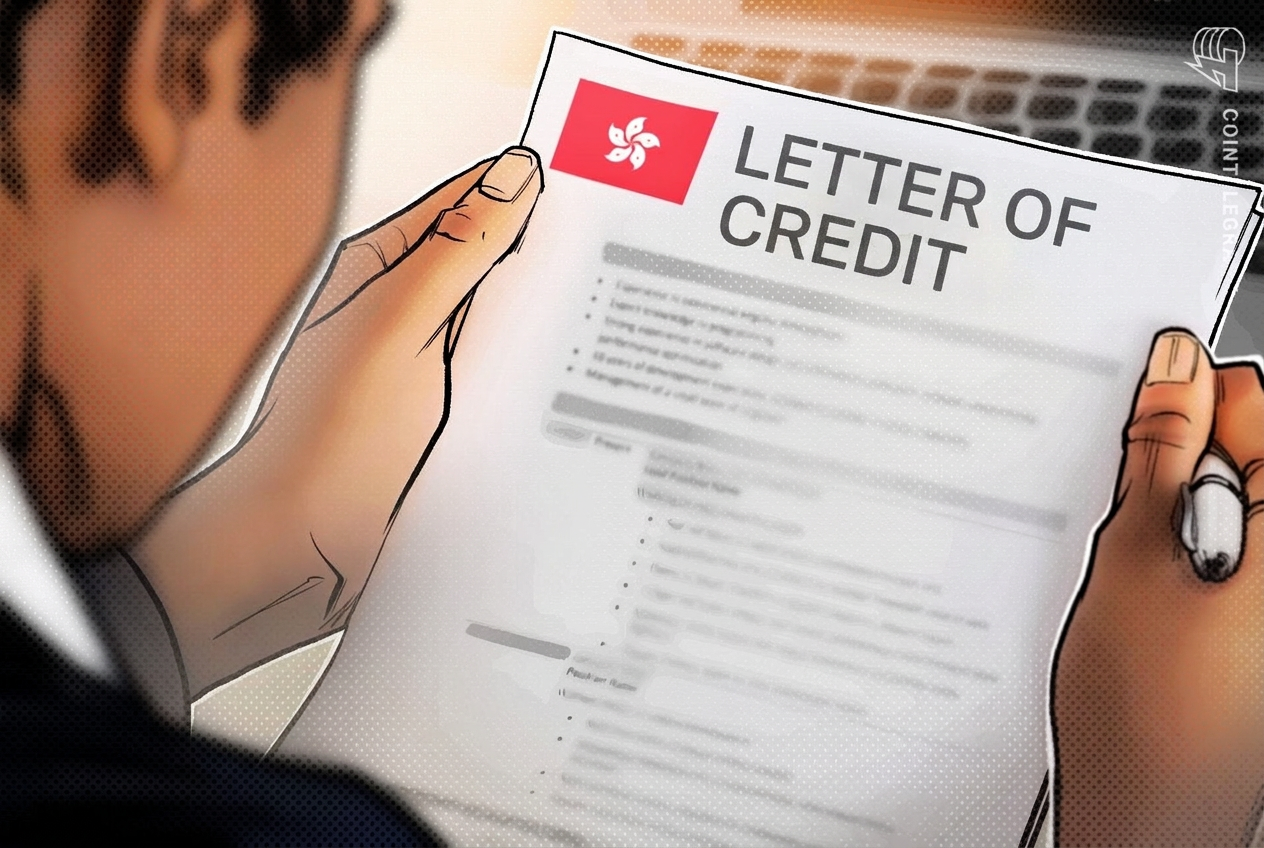 Former banking official gets four years in prison over false letters of credit and accepting $470,000 in cryptocurrency bribes. A former bank official in Hong Kong who falsely authenticated letters of credit for more than $1.6 billion was sentenced to four years in prison and ordered to make restitution of more than $470,000 he received in cryptocurrency bribes. Lam Chun-yin, 32, who was a customer relationship manager at China Construction Bank (Asia), had previously pleaded guilty in District Court, The Standard reported on Saturday. Judge Ernest Lin Kam-hung said deterrent sentences are necessary even for first-time offenders, especially in light of the grave nature of the crime and its impact on society. HashKey begins beta distribution of Hong Kong-regulated HKDAP stablecoin Read more
 -
CryptoPotato - 05:49 Sep 19, 2026
Bitcoin surprised even some of its biggest believers on Friday with a surge past $81,000 despite experiencing a massive regulatory disappointment just days earlier. -
CryptoSlate - 04:30 Sep 19, 2026
Faster private inference makes laptop orchestration practical, while spending authority remains behind hard limits, transaction checks and human approval. The post Ethereum co-founder Vitalik Buterin argues that local AI can protect your privacy without losing speed appeared first on CryptoSlate. -
CryptoPotato - 03:47 Sep 19, 2026
XRP is trying to regain momentum after one of the most volatile weeks in recent months. -
CryptoSlate - 02:50 Sep 19, 2026
A $5.15 million redemption was concentrated in two funds, leaving the next weekly flow pattern to decide whether the pause becomes a broader retreat. The post XRP ETFs hit a speed bump, but big investors aren’t dumping their tokens yet appeared first on CryptoSlate. -
CryptoSlate - 00:40 Sep 19, 2026
Anthropic’s Claude helped three security researchers breach OpenAI accounts and reach an internal code repository within 72 hours. Researchers at cybersecurity startup Hacktron chained an image-processing vulnerability with a flaw in OpenAI’s identity infrastructure in July to gain access to multiple employees’ ChatGPT and Codex accounts. One compromised Codex account was connected to OpenAI’s GitHub […] The post Anthropic’s Claude helped 3 researchers breach OpenAI in under 72 hours appeared first on CryptoSlate. -
CryptoSlate - 22:50 Sep 18, 2026
Exchange-set rules can shrink borrowing power even when the underlying holdings keep the same market value. The post Exchanges lower token risk values, leaving leveraged traders with less breathing room appeared first on CryptoSlate. -
CryptoPotato - 22:04 Sep 18, 2026
Greece's own finance minister reportedly had a different read on the case, a view that did not survive the ECB president's intervention. -
CryptoSlate - 21:25 Sep 18, 2026
Gilt yields fell as active auctions paused, yet the Bank’s full portfolio unwind keeps a slow-burn rates risk alive. The post Bitcoin faces an eight-year rates test as the BOE unwinds £368 billion appeared first on CryptoSlate. -
Decrypt - 21:01 Sep 18, 2026
The filing seeks CFTC approval for contracts giving US traders 24/5 leveraged exposure to individual stocks without ownership. -
CryptoSlate - 20:30 Sep 18, 2026
The yen weakened after the decision, leaving immediate unwind pressure limited as higher funding costs move toward implementation. The post Bitcoin rallies after BOJ’s 1.25% hike, but the real yen-carry test starts next week appeared first on CryptoSlate. -
Cointelegraph.com - 19:53 Sep 18, 2026
 Coinbase wants to bring 24/5 perpetual futures trading to individual US stocks, with its proposed contracts now awaiting regulatory approval. Coinbase has filed with the Commodity Futures Trading Commission to list single-stock perpetual futures in the United States, seeking to bring a derivatives product widely used in crypto markets to individual US equities. Read more
 -
CryptoSlate - 19:50 Sep 18, 2026
The Singapore firm plans merchant, enterprise-portal and app expansion as SBI joins the Vertex-led round. The post Why SBI just put millions behind a Singapore startup’s stablecoin push appeared first on CryptoSlate. -
Decrypt - 19:16 Sep 18, 2026
A new upgrade would cut Zcash block time from 75 seconds to 25, while quietly rewriting how the network pays for its own security after 2031.