Crypto
-
Cryptonews.com - 08:36 Sep 18, 2026
Speculation that Canada could one day join the European Union has moved from an internet curiosity to a genuine geopolitical talking point in recent months. As a result, Canada EU odds across prediction market platforms such as Kalshi and Polymarket have begun gaining traction.The idea picked up momentum as Canada sought to reduce its dependence […] The post Canada EU Odds: Prediction Markets Start Taking Bets, What Are They Saying? appeared first on Cryptonews. -
Cryptonews.com - 08:35 Sep 18, 2026
XRP's two-week RSI hits its most oversold level since Covid. Here's what the data says about a potential bounce toward $1.45 and beyond. The post XRP Price Prediction: Ripple Prints Most Bullish RSI Ratio Since Covid appeared first on Cryptonews. -
Cryptonews.com - 08:01 Sep 18, 2026
JPMorgan says Bitcoin's defensive hedging could fuel outperformance vs gold. BTC price analysis, key levels, and an emerging Bitcoin Layer 2 presale. The post Bitcoin Price Prediction: BTC Could Outperform Gold According to JPMorgan appeared first on Cryptonews. -
CoinDesk - 07:37 Sep 18, 2026
Stablecoin payments company dtcpay completed a $25 million Series A funding round with a strategic investment from Japan’s SBI Group. -
CryptoPotato - 07:32 Sep 18, 2026
The hijack lands during a rough stretch for crypto security, just days after a fintech's leaked data turned into a Bitcoin ransom demand. -
CryptoSlate - 07:30 Sep 18, 2026
The security firm says its team and tools will continue, while S&P adds data, research and institutional reach after closing. The post Wall Street gains direct oversight of Web3 security as S&P Global buys OpenZeppelin appeared first on CryptoSlate. -
CoinDesk - 06:52 Sep 18, 2026
The U.S. Treasury sanctioned BitBank, a Tehran exchange it says moved hundreds of millions of dollars in bitcoin to the Revolutionary Guards and handled payments collected from ships buying passage through the world’s most important oil chokepoint. -
CoinDesk - 06:16 Sep 18, 2026
The network is cutting its target slot time to 250 milliseconds, giving apps fresher blockchain data and validators shorter control windows while reducing the amount of work allowed in each slot. -
CryptoPotato - 05:56 Sep 18, 2026
JPMorgan analysts say Bitcoin could see stronger price support than gold if ETF hedging eases, as short interest in BlackRock’s IBIT reaches its highest level of 2026. -
CoinDesk - 05:43 Sep 18, 2026
Corporate treasuries bought just 5,900 bitcoin in three months, while broader demand signals remain weak. -
CoinDesk - 05:23 Sep 18, 2026
Free test ether lets fake builders outbid rivals and withhold transaction payloads, while client teams get half the usual review time before Sepolia. -
CryptoSlate - 05:10 Sep 18, 2026
Needle Stealer used signed Microsoft software to target seven browser wallets without breaching Coinbase or MetaMask. The post Fake AI crypto software is secretly replacing browser wallet extensions appeared first on CryptoSlate. -
Cointelegraph.com - 04:51 Sep 18, 2026
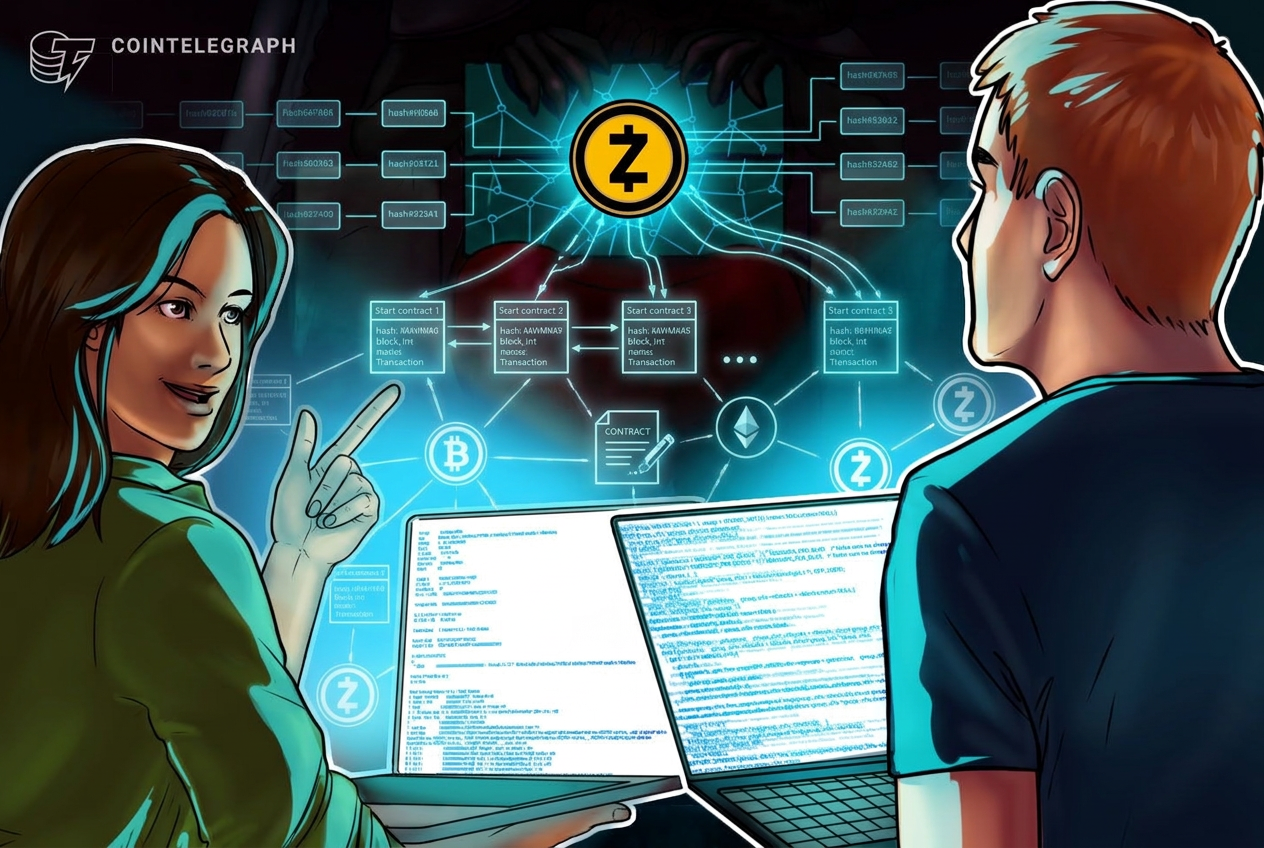 NU7 will cut Zcash block times to 25 seconds and preserve its halving schedule, with testnet activation planned for Oct. 6. Zcash developers are targeting Nov. 5 for NU7 mainnet activation after organizations and engineering teams reached “unanimous agreement” on its contents and estimated timeline. On Thursday, Zcash developer Sean Bowe said the upgrade is scheduled to activate on the testnet on Oct. 6. A final decision on the mainnet upgrade and its activation height is scheduled for Oct. 20, after an assessment of NU7’s testnet performance. The upgrade would reduce Zcash’s target block spacing from 75 seconds to 25 seconds, disabling version 4 transactions and integrating the Network Sustainability Mechanism (NSM). The chosen NSM configuration would preserve Zcash’s halving schedule, with the reintroduction of previously removed supply beginning in February 2031. Read more
 -
CoinDesk - 04:49 Sep 18, 2026
Ether funds shed money for a third straight session even as the token rose, while every major gained and zcash extended its run. -
Cointelegraph.com - 04:11 Sep 18, 2026
 Input Output Group told users to avoid its YouTube channel after it began livestreaming a suspected AI-manipulated Charles Hoskinson video promising to “double your wealth.” Input Output Group has urged users to avoid its YouTube channel, with the channel on Friday livestreaming a suspected AI-manipulated video of Cardano founder Charles Hoskinson promoting a crypto giveaway. The livestream purported to be a town hall for Project Catalyst, a decentralized community innovation fund and grant program. It was live for nearly two hours. Source: YouTube Read more
 -
CryptoPotato - 04:04 Sep 18, 2026
"By the time the crowd feels safe again, you may already be looking at XRP from behind," one popular analyst stated. -
CryptoSlate - 03:40 Sep 18, 2026
Closed-ended vaults would bar withdrawals during fixed investment terms and count interest only when paid, but activation and XRP-denominated use remain unproven. The post XRPL’s new lending tool could lock up your XRP from minutes to decades appeared first on CryptoSlate. -
Cointelegraph.com - 03:40 Sep 18, 2026
 World Money is rolling out across more than 150 countries, combining stablecoin payments, digital asset rewards and trading in a self-custodial app. World has launched World Money, a self-custody financial “super app” combining stablecoin payments, digital asset rewards and trading. The rollout began Thursday in more than 150 countries, World said, with features varying by location. Users can send supported digital assets, including stablecoins, to a recipient’s World username, deposit eligible assets to earn rewards, and buy and sell digital assets through exchanges. The app lets users access “Mini Apps” such as Kalshi, Credit and Morpho. A partnership with Stripe allows users to fund their accounts and buy stablecoins with Apple Pay, starting with users in the US. Read more
 -
CoinDesk - 03:03 Sep 18, 2026
The yen declined and BTC rose after the BOJ hiked rates to the highest level in 31 years. -
Cointelegraph.com - 01:33 Sep 18, 2026
 US Treasury says the Iranian exchange processed payments received through Iran’s Strait of Hormuz maritime scheme and helped move hundreds of millions of dollars in Bitcoin to the IRGC. US authorities on Thursday announced sanctions against Iranian crypto exchange BitBank, accusing it of processing Bitcoin paid by ships transiting the Strait of Hormuz. The US Department of the Treasury’s Office of Foreign Assets Control said that as of June, the Hormuz Safe Marine Services Authority used BitBank to transfer payments it received to the Islamic Revolutionary Guard Corps. The Treasury alleged it is part of the architecture used by Iranian financier Babak Zanjani to move hundreds of millions of dollars in Bitcoin to the IRGC. Treasury has previously alleged Hormuz Safe is part of an IRGC-backed scheme forcing vessels to buy maritime insurance for passage, including coverage against seizures by Iran itself. Read more