Crypto
-
CryptoPotato - 14:30 Jul 27, 2026
John Oliver’s latest Last Week Tonight episode focused on Trump’s crypto activities in a scathing breakdown. -
CryptoPotato - 14:18 Jul 27, 2026
[PRESS RELEASE – Amsterdam, Netherlands, July 27th, 2026] NOWPayments and BlockSec have published a free checklist with 25 controls spread across nine security and technical compliance categories. GET THE FREE CHECKLIST Crypto payments are easy to turn on. What’s hard is keeping the whole payment flow safe from key compromise, suspicious transactions, account takeover, or […] -
CoinDesk - 14:00 Jul 27, 2026
The liquid staking protocol is consolidating 8 million ETH and requiring its professional node operators to post bonds for the first time. -
Cryptonews.com - 13:53 Jul 27, 2026
Ripple SVP Jack McDonald outlines how custody, RLUSD, prime brokerage and treasury tools now form one integrated institutional finance platform. The post How Ripple Became a Full-Stack Institutional Finance Platform appeared first on Cryptonews. -
CryptoSlate - 13:50 Jul 27, 2026
The commissioner’s fact-specific framework reaches strategy, allocator appointment and asset movement without making any finding about Morpho. The post SEC warning over crypto yield vaults puts DeFi’s secret human controllers in the crosshairs appeared first on CryptoSlate. -
CryptoPotato - 13:42 Jul 27, 2026
Bitcoin has stabilized following its sharp decline from the mid-$80K region, with the price gradually making higher lows on the lower timeframes. Although short-term momentum has improved, the broader trend remains challenged as BTC continues to trade beneath key moving averages and several overhead resistance zones. Bitcoin Price Analysis: The Daily Chart On the daily […] -
Cointelegraph.com - 13:41 Jul 27, 2026
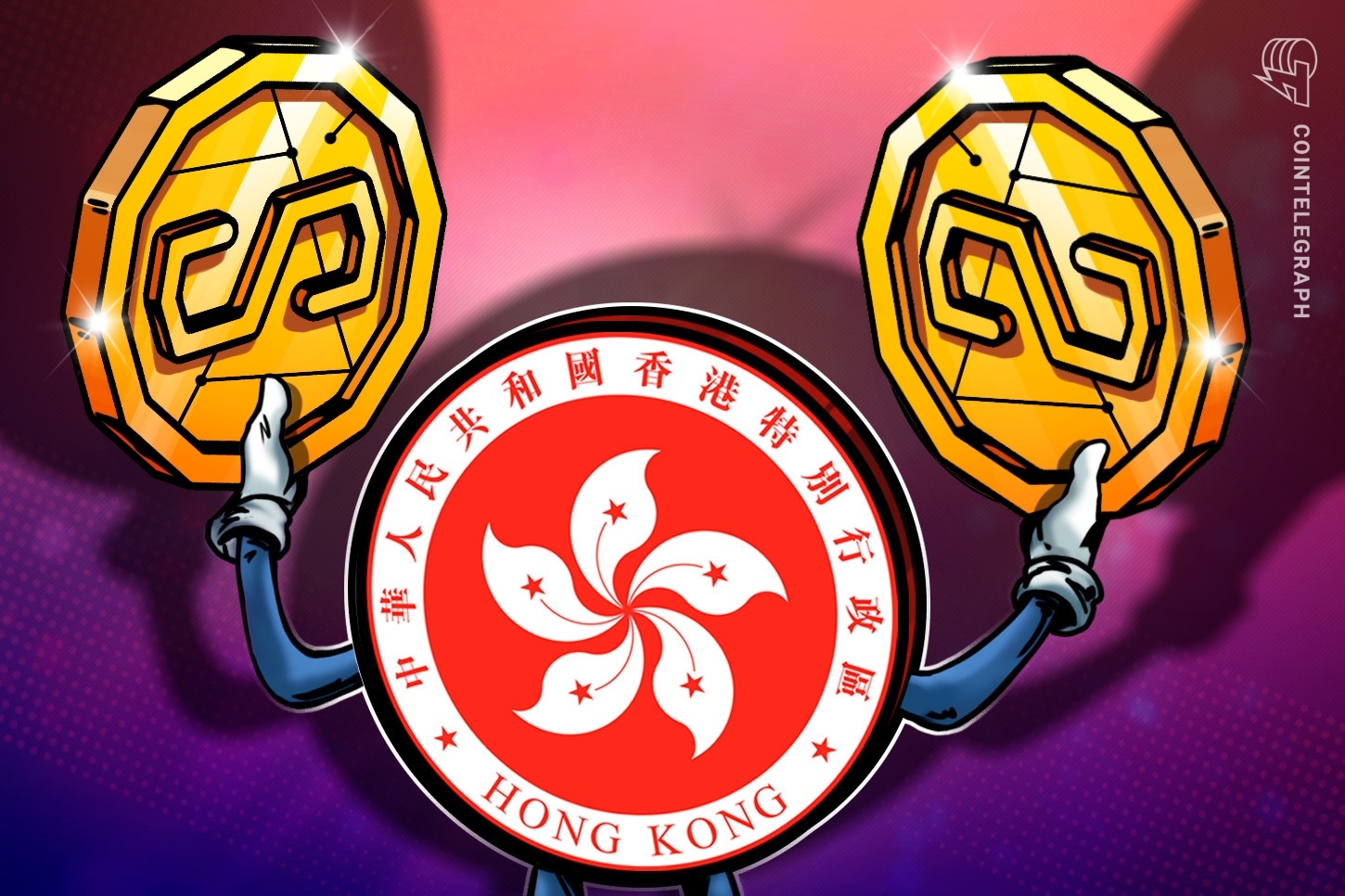 Hong Kong’s HashKey will unify its crypto exchange branches, with users from its Hong Kong, Global, Singapore and Middle East regions using the same platform. Hong Kong digital asset services business HashKey Holdings has merged its HashKey Exchange and HashKey Global exchanges into a single platform and application. Core jurisdictional hubs including Hong Kong, Singapore, the Middle East (Dubai) and Bermuda have been merged under a single platform, according to a Monday announcement. The move represents a departure from the early stages of the virtual asset industry when licensed exchanges typically operated under regional siloed models to simplify compliance. HashKey said. The transition follows a principle of “unified entry, localized compliance” where all users download the same application while the platform manages compliance across their specific legislative domain — across the Hong Kong, Global, Singapore, or Middle East regions. Read more
 -
CoinDesk - 13:32 Jul 27, 2026
Bitkub was the victim of a cyberattack in May 2021, which led to hacks stealing 1.7 billion baht across 16 different digital assets. -
Cryptonews.com - 13:31 Jul 27, 2026
PUMP token rallies nearly 50% despite its largest-ever vesting unlock. Analyze the key resistance level, Open Interest signals, and what the next sessions mean for price direction. The post Pump Fun Crypto Breaking Out, Shrugging Off Vesting Supply Unlocks appeared first on Cryptonews. -
Cointelegraph.com - 13:31 Jul 27, 2026
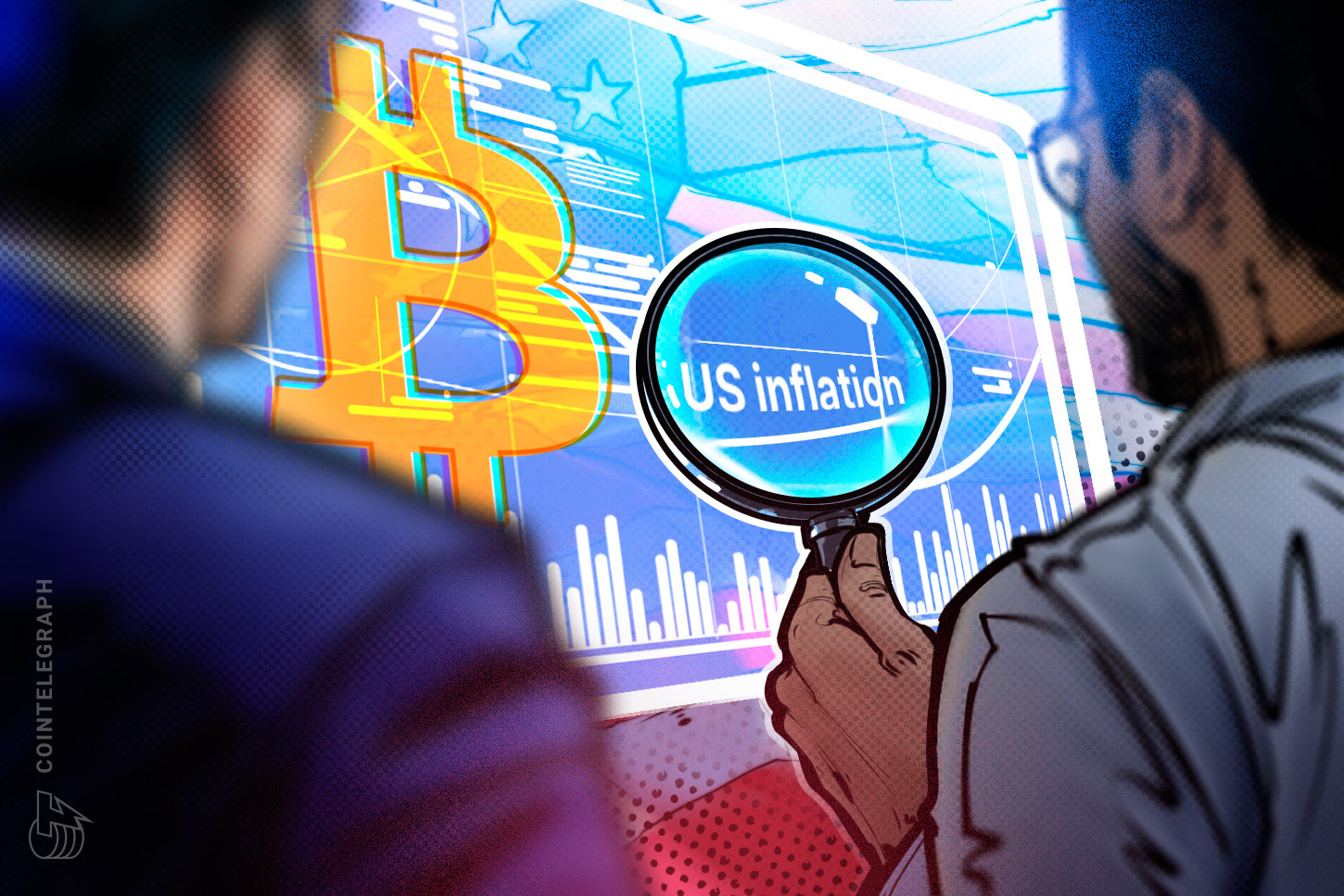 Bitcoin traders prepared to navigate a slew of volatility catalysts as US inflation data and US-Iran war triggers keep risk-assets in an unpredictable state. Bitcoin (BTC) heads into the end of July juggling volatility catalysts as the Federal Reserve reacts to US inflation. Key points: Attention turns once more to the US Federal Reserve this week, with the Federal Open Market Committee (FOMC), chaired by Kevin Warsh, set to announce its latest interest rate decision on Wednesday, July 29. Read more
 -
CoinDesk - 13:25 Jul 27, 2026
The chipmaker and 36 other companies say defenders need AI they can run themselves. Major AI players OpenAI, Anthropic and Google are not among them. -
Cointelegraph.com - 13:24 Jul 27, 2026
 Binance’s Android app is unavailable on Google Play in some EU markets amid scrutiny over MiCA compliance. The Binance app has become unavailable on the Google Play Store in certain European Union countries amid questions over the exchange’s compliance with the bloc’s crypto licensing framework. A user in Spain confirmed to Cointelegraph on Monday that the Binance app was no longer visible in Google Play searches, although it remained available through Oppo’s App Market, an Android app store used on Oppo devices. In contrast, checks in Poland showed the Binance app remained available on Google Play, indicating the issue does not affect all EU markets. Read more
 -
Cointelegraph.com - 13:08 Jul 27, 2026
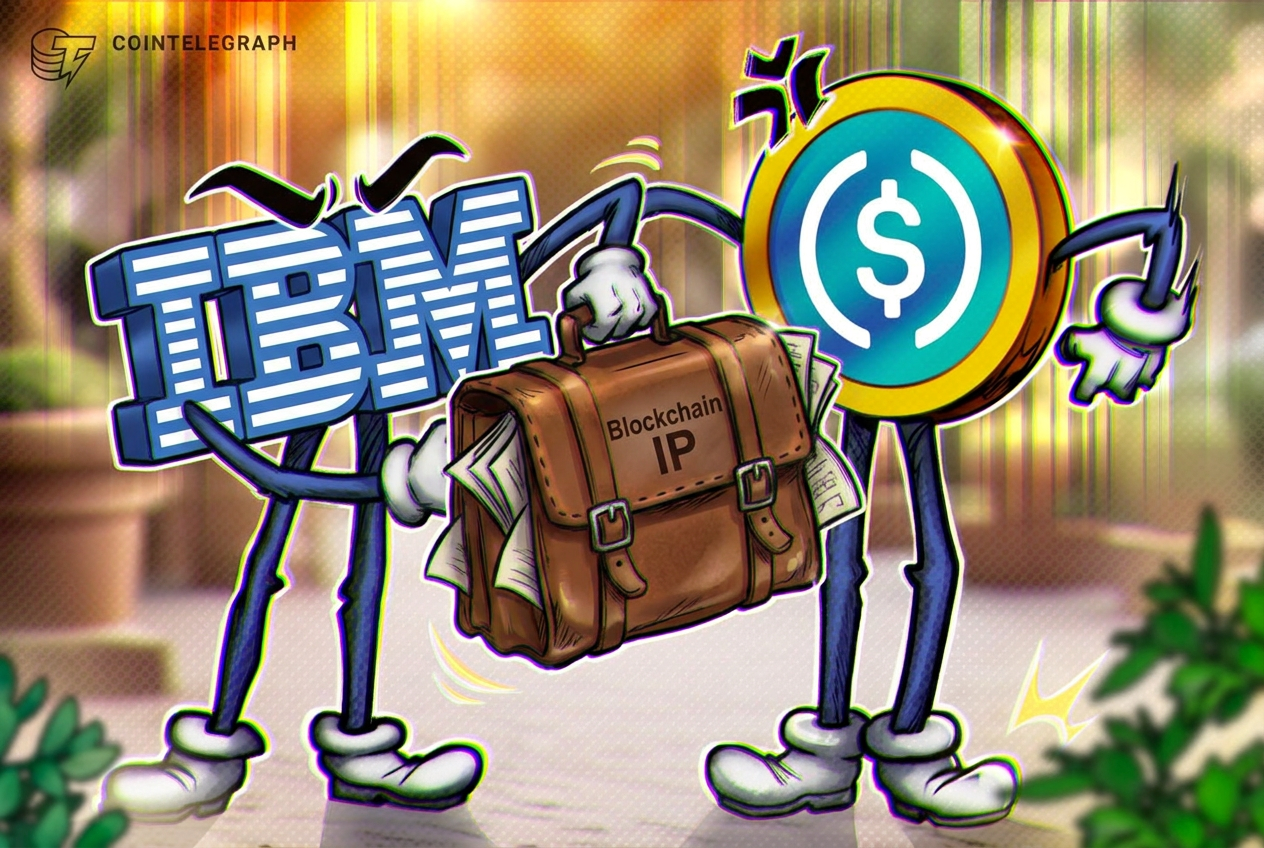 IBM’s blockchain portfolio includes more than 680 patent families and nearly 1,000 issued patents worldwide, with a particular focus in supply chain applications. Circle will acquire IBM’s blockchain patent portfolio, the USDC (USDC) issuer said on Monday. No financial details for the transaction were disclosed in Circle’s announcement. CRCL stock price was up more than 2% in premarket activity on Monday following the announcement, according to Yahoo Finance data. The portfolio comprises more than 680 patent families and nearly 1,000 issued patents worldwide. Circle said the acquisition positions it as the leader in blockchain patent holdings in the United States, with an intellectual property position that directly supports the fintech’s foundation for building the internet financial system. Read more
 -
Decrypt - 13:00 Jul 27, 2026
The Bitcoin treasury firm also tapped its $1 billion preferred buyback for the first time, spending $25 million on STRC. -
CoinDesk - 13:00 Jul 27, 2026
Around-the-clock crypto markets are forcing Wall Street to reevaluate one of its oldest assumptions: that weekends are for waiting. -
CoinDesk - 13:00 Jul 27, 2026
The license broadens the BlackRock tokenization partner's offering as regulators weigh rules for onchain investment products. -
CoinDesk - 12:55 Jul 27, 2026
The Ethereum treasury company added nearly 10,000 ETH while expanding its stock buyback, citing ether outperforming bitcoin is sending a bullish signal. -
CryptoPotato - 12:54 Jul 27, 2026
There's an evident decline in the number of tokens the company has bought lately. -
CryptoSlate - 12:47 Jul 27, 2026
With ETH drained from its wallets, BitMart faces a wave of stuck user withdrawals after abruptly announcing its closure BitMart said it will wind down its trading platform after nine years, abruptly reversing an expansion push that continued into the summer. The exchange stopped accepting new registrations, deposits and orders at 01:30 UTC on July […] The post BitMart’s sudden shutdown triggers withdrawal delays and on-chain panic, echoing the ghosts of 2022 appeared first on CryptoSlate. -
CoinDesk - 12:47 Jul 27, 2026
The portfolio covers blockchain technology, banking, insurance, and cloud security, though the financial terms of the deal were not disclosed.