Crypto
-
Cryptonews.com - 09:46 Jul 13, 2026
Uniswap founder Hayden Adams confirms $5.2M daily fees now fuel UNI buybacks and burns across 11 chains. Here's what the fee switch means for UNI token value and supply dynamics. The post UNISWAP To Activate UNI Crypto Buybacks And Burns as Protocol Fees Go Live, Founder Hayden Adams Confirmed appeared first on Cryptonews. -
CoinDesk - 09:32 Jul 13, 2026
Structural change can create lasting opportunities, but explosive rallies in semiconductors, metals and bitcoin show how quickly strong narratives can become speculative excess. -
CryptoSlate - 09:30 Jul 13, 2026
The unaudited company split suggests Europe removed an unauthorized intermediary without moving most departing assets to supervised rivals. The post After MiCA deadline, majority of Binance users sent funds to self-custody not other compliant exchanges appeared first on CryptoSlate. -
CryptoPotato - 09:20 Jul 13, 2026
In contrast, BEAT and DEXE have marked big gains. PI, though, continues to dig new lows. -
Cointelegraph.com - 08:58 Jul 13, 2026
 Lawson will test yen stablecoin payments in Tokyo as Netstars launches a merchant service supporting USDC, USDT and JPYC. Japanese convenience-store operator Lawson plans to test yen-denominated stablecoin payments at a Tokyo location in August, examining whether stablecoin payments can work inside a standard convenience store checkout flow. On Monday, blockchain company HashPort said it had signed an agreement with Lawson and telecom group KDDI to conduct the trial at the Lawson Takanawa Gateway City store. Participants will use HashPort's non-custodial wallet, while the store will process payments through the company's point-of-sale system without needing to open or manage crypto wallets. The pilot aims to explore how stablecoin payments can be integrated into Japan’s existing retail infrastructure while shielding merchants from much of the operational complexity associated with accepting digital assets. Read more
 -
CryptoSlate - 08:30 Jul 13, 2026
BTC fell below $63,000 after new U.S. strikes as oil, the dollar and yields rose and equity futures retreated. The post Bitcoin’s $60K price floor is back in play as Hormuz oil shock returns appeared first on CryptoSlate. -
Cryptonews.com - 08:08 Jul 13, 2026
The stablecoin market has lost more than $10 billion since May, but it might not be a warning sign. Instead, money is flowing into memecoins as investors chase higher returns on Robinhood chain. Bitcoin, Ethereum, and the CLARITY Act are now driving price sentiment, with lawmakers expected to unveil an updated version of the bill […] The post Crypto News, July 13: Stablecoin Market Cap Drops Amid Memecoin Rotation as CLARITY Act Advances, Bitcoin and Ethereum Price Hold Firm appeared first on Cryptonews. -
Cryptonews.com - 08:08 Jul 13, 2026
The stablecoin market has lost more than $10 billion since May, but it might not be a warning sign. Instead, money is flowing into memecoins as investors chase higher returns on Robinhood chain. Bitcoin, Ethereum, and the CLARITY Act are now driving price sentiment, with lawmakers expected to unveil an updated version of the bill […] The post Crypto News, July 12: Stablecoin Market Cap Drops Amid Memecoin Rotation as CLARITY Act Advances, Bitcoin and Ethereum Price Hold Firm appeared first on Cryptonews. -
CryptoPotato - 07:40 Jul 13, 2026
Short-Term Holder Supply has dropped to its lowest point since 2016, while long-term investors continue expanding their dominance over BTC. -
CryptoPotato - 06:57 Jul 13, 2026
[PRESS RELEASE – Dover, Delaware, USA, July 13th, 2026] Legend Awakes has released its official cinematic reveal video, concluding the mystery-driven teaser campaign that has unfolded across X in recent weeks. The campaign used cinematic visuals, cryptic messages, and hidden clues to introduce the world behind Legend Awakes, generating more than 300 million views across […] -
CoinDesk - 06:52 Jul 13, 2026
The liquidations were minor, running at about a sixth of what the market saw at its worst over the past 30 days, per CoinGlass. -
CryptoPotato - 05:48 Jul 13, 2026
XRP needs a major bounce to the 50-MA at around $1.60 before it can restart its rally, said one analyst. -
Cointelegraph.com - 05:24 Jul 13, 2026
 The AI-native cohort of the expanding gig economy could increasingly use stablecoins to avoid slow and expensive traditional payment rails, Australian crypto exchange Swyftx said. AI-enabled microbusinesses could provide a major boost for stablecoin transaction volumes as the global gig and freelance payment market grows, according to Australian crypto exchange Swyftx. In a second-quarter industry report, Swyftx estimated the global gig and freelance payments market could reach $2.1 trillion by 2033, with AI-native workers accounting for $775 billion. Swyftx’s base-case model projected that $262 billion of the AI-native cohort’s payment volume could be settled in stablecoins, based on an assumed adoption rate of roughly 33%. “We see the vibe-coding and AI economy as a significant potential tailwind for stablecoin use,” Pav Hundal, lead market analyst at Swyftx, told Cointelegraph. Read more
 -
CoinDesk - 04:48 Jul 13, 2026
Gold, oil, stocks and bonds all moved sharply on the fourth round of U.S. strikes on Iran, but bitcoin is little-changed. -
Cointelegraph.com - 04:43 Jul 13, 2026
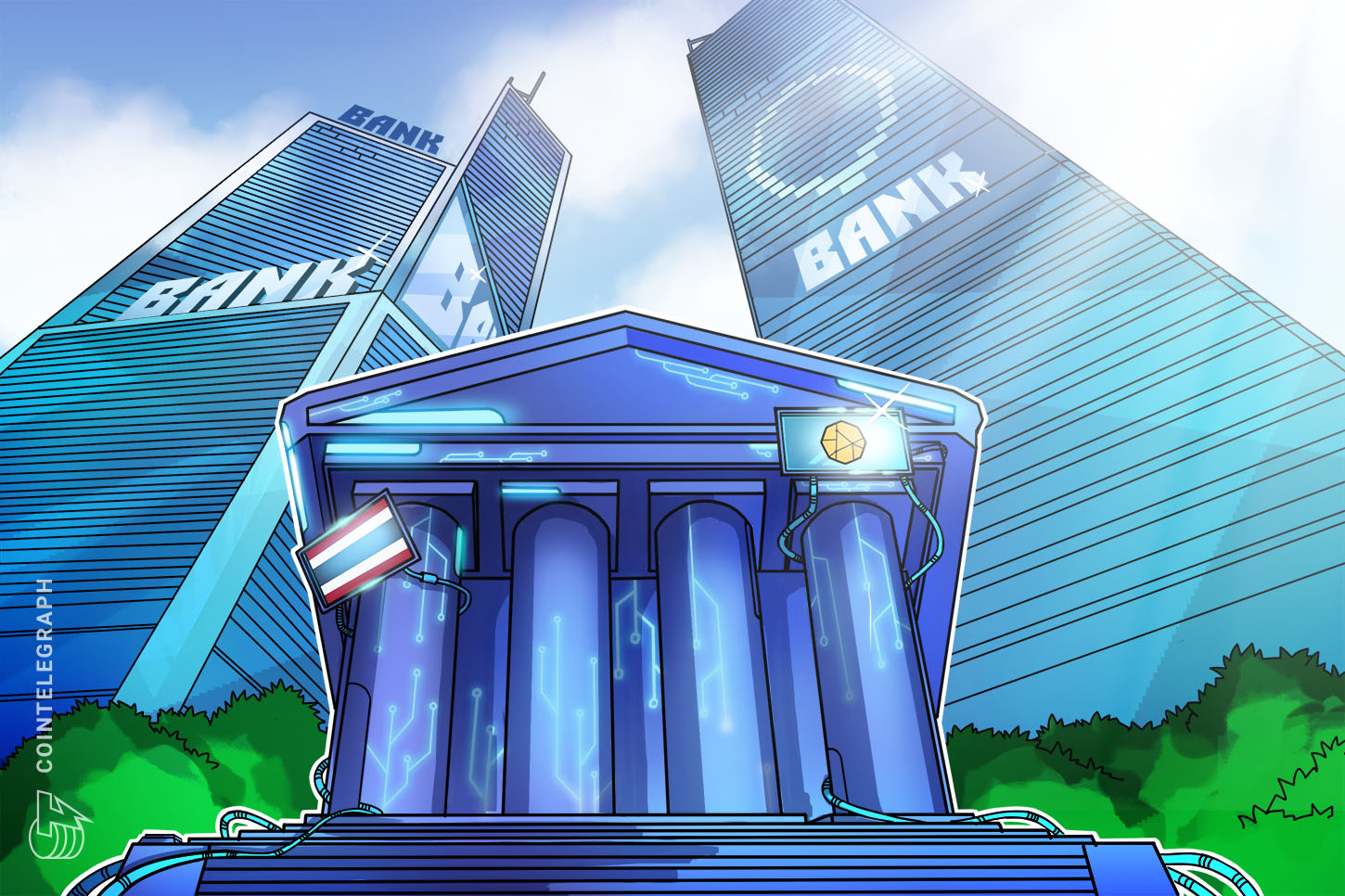 Thailand has been plagued by Chinese-affiliated scam centers, with illicit gains flowing through a “gray money” economy. Thailand’s central bank is stepping up stablecoin surveillance as part of a wider effort to crack down on money laundering, illicit finance and “gray money” in the country. The Bank of Thailand is working with the Kingdom’s Securities and Exchange Commission to audit high-volume stablecoin transactions, with a focus on USDt (USDT), cash transactions and currency exchanges, to identify and stop illicit financial flows. “The measures we are implementing are not short-term fixes; they require the continuous deployment of multiple parallel strategies,” Bank of Thailand Governor Vitai Ratanakorn said, according to local media outlet The Nation on Saturday. Read more
 -
CryptoPotato - 03:07 Jul 13, 2026
A busy week lies ahead on the US economic calendar with a raft of inflation data, while tensions are mounting again in the Middle East. -
Cryptonews.com - 02:40 Jul 13, 2026
The traditional crypto exchange experience is anything but simple. You need to create an account, then verify your email, and submit identity documents. Then wait for approval and set up two-factor authentication. Deposit funds. Withdraw to your wallet. The process can take days and goes on and on before you actually own the asset you […] The post No Email, No Account, No KYC: How GhostSwap Swaps 1,600+ Coins in One Step appeared first on Cryptonews. -
Cointelegraph.com - 01:49 Jul 13, 2026
 Analysts are not yet ready to call it a recovery in institutional demand for Bitcoin. US-listed spot Bitcoin exchange-traded funds recorded a net inflow of $197.4 million in the week ended Friday, snapping an eight-week streak of weekly outflows dating back to May. Data from Farside Investors shows that most of the week’s gains came from the BlackRock iShares Bitcoin Trust ETF, which recorded $291.9 million in inflows. This was offset by outflows from the Grayscale Bitcoin Trust ETF, the Fidelity Wise Origin Bitcoin Fund and the ARK 21 Shares Bitcoin ETF. The end of the outflow streak could suggest institutional demand for Bitcoin is recovering after two months of sustained selling pressure. However, analysts say it’s too early to tell. Read more