Crypto
-
Decrypt - 22:01 Jul 07, 2026
The SEC updated its agenda to indicate that a key crypto rulemaking is slated to be released for public comment in July. -
Cointelegraph.com - 21:39 Jul 07, 2026
 The financial regulator’s agenda included proposed rule changes related to crypto broker-dealers, digital assets on national securities exchanges and potential safe harbors. The US Securities and Exchange Commission (SEC) announced proposed rule changes that its chair said would “help clarify the regulatory framework for crypto assets and provide greater certainty to the market” as part of its annual agenda. In a Tuesday notice, SEC Chair Paul Atkins said that the agency’s 2026 agenda was intended to align with the Trump administration’s policy goals on crypto, which included clarification on tokenized securities and capital raising with digital assets. The agenda included three proposed rule changes addressing crypto broker-dealers, digital assets on alternative trading systems and national securities exchanges, and potential exemptions and safe harbors for digital assets. “The proposed rules may provide greater certainty to the market, facilitate capital formation, and accommodate innovation within the cryp...
 -
Decrypt - 21:31 Jul 07, 2026
Brazilian crypto exchange Mercado Bitcoin has raised $20 million in fresh investment from USDT stablecoin issuer Tether. -
CryptoPotato - 21:19 Jul 07, 2026
BonkDAO says it has alerted law enforcement about the treasury drain and is coordinating with exchanges to manage the situation. -
Cryptonews.com - 21:15 Jul 07, 2026
Elon Musk’s Grok AI predicts a partnership-heavy $5.00 to $8.00 macro target for XRP ($XRP$) by late 2026, driven by live spot ETFs. The post Elon Musk Grok AI Predicts Incredible XRP Price Target by End of 2026 appeared first on Cryptonews. -
Cointelegraph.com - 21:14 Jul 07, 2026
 ETH charts a path toward $2,000 as TradFi adoption, DAT buying and a long-awaited network upgrade boost investor interest. Key takeaways: Ether (ETH) price rallied 15% in five days, distancing itself from the $1,500 low hit on June 26. Part of the improvement in investor sentiment can be pinned to the final tests on Ethereum’s Glamsterdam upgrade, targeted for later in 2026. Moreover, BitMine Immersion Technologies' continued Ether accumulation helped strengthen the support level. Will $2,000 come next? Read more
 -
CryptoSlate - 21:10 Jul 07, 2026
RWA.xyz data shows Solana's RWA transfer volume more than doubled over 30 days, shifting the adoption signal from tokenized value to usage quality. The post Solana’s $8.7B RWA surge shows tokenized assets are finally starting to move appeared first on CryptoSlate. -
Cointelegraph.com - 20:57 Jul 07, 2026
 The asset manager is hiring a head of digital assets to lead its strategy for tokenization, stablecoins, blockchain infrastructure and client-facing products. Vanguard is hiring a head of digital assets to lead the asset manager's strategy on tokenization, stablecoins, blockchain infrastructure and client-facing digital asset products, signaling a broader push into the sector after years of resisting crypto investment offerings. According to the job description on Vanguard's website, the executive will be responsible for determining how Vanguard participates in digital assets, including evaluating client-facing products, tokenization, stablecoins, custody models, blockchain-based settlement and digital asset operating infrastructure. The role will also represent Vanguard in discussions with regulators, clients and industry groups. Hiring announcement for Vanguard head of digital assets. Source: Vanguardjobs.com Read more
 -
Decrypt - 20:46 Jul 07, 2026
A University of Manchester researcher says schools should move beyond AI cheating concerns and prepare graduates for workplaces increasingly shaped by automation. -
Cointelegraph.com - 20:45 Jul 07, 2026
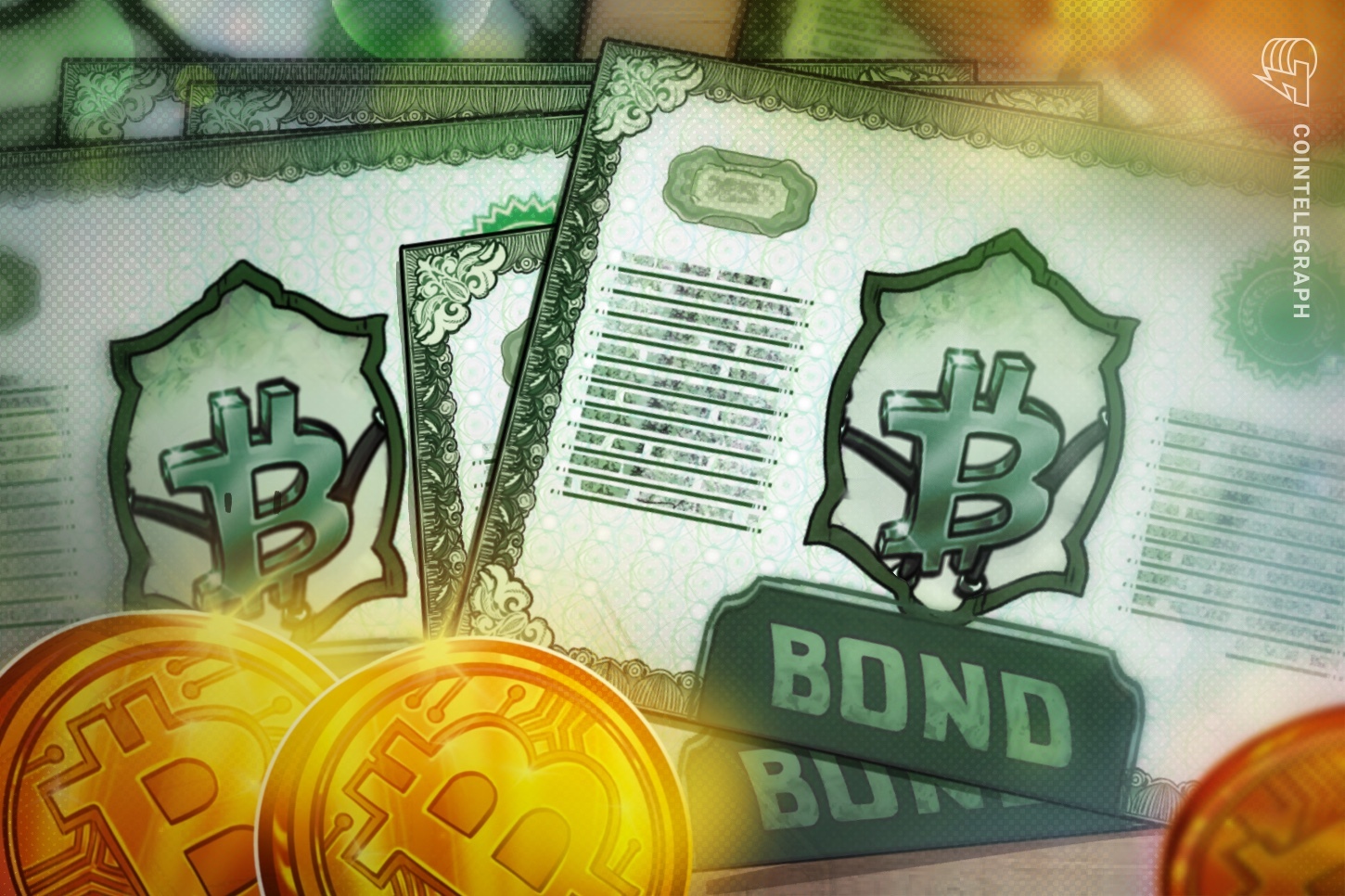 The proposed bonds to be backed by cryptocurrency still need approval from New Hampshire Governor Kelly Ayotte and the state’s five-member executive council. The New Hampshire Secretary of State’s office announced that lawmakers would discuss issuing $100 million in bonds backed by Bitcoin (BTC) at a public hearing. In an update to the New Hampshire governor and executive council agenda, the state’s Business Finance Authority (BFA) has scheduled a meeting for Wednesday regarding the proposed issuance of $100 million in BTC-backed bonds. The BFA approved the bond in November 2025, saying that it planned to issue the vehicles upon approval from Governor Kelly Ayotte and the state’s five-member executive council. “This is an innovative way to bring more investment opportunities to our state and position us as a leader in digital finance without risking state funds or taxpayer dollars,” said Ayotte on the bonds, following the BFA approval. Read more
 -
Decrypt - 20:37 Jul 07, 2026
Investors who purchased BIG3 NFTs expected the perks of team ownership, but allege "deceptive, fraudulent" marketing was at play. -
CryptoSlate - 20:20 Jul 07, 2026
The Federal Reserve publishes the minutes of its June 16–17 meeting on Wednesday at 2 p.m. ET, and the release will either validate Bitcoin's week-long recovery or pull out its foundation. Traders bought the rebound on a single macro assumption: a weakening US labor market limits how long the central bank can stay hawkish. The […] The post Bitcoin rally now depends on one Fed document coming Wednesday appeared first on CryptoSlate. -
Decrypt - 19:51 Jul 07, 2026
China is reportedly building the same power to cut off its AI that the US deployed against Anthropic in June. -
CryptoPotato - 19:46 Jul 07, 2026
New industry data suggests that crypto ownership has expanded significantly across different demographic groups. -
CryptoSlate - 19:45 Jul 07, 2026
The reported December launch matters because Russia’s new rules may make custody, limits, and compliance the price of legal access. The post Russia’s legal crypto on-ramp to arrive with a state-owned bank holding the keys appeared first on CryptoSlate. -
CoinDesk - 19:35 Jul 07, 2026
The decline fits into a pattern of recently-public digital asset companies sliding after debut, Arca's Jeff Dorman said. -
Cointelegraph.com - 19:31 Jul 07, 2026
 The crypto exchange's parent company says Mazars' withdrawal from its 2022 audit caused millions in damages and tied the dispute to Operation Chokepoint 2.0. Payward, the parent company of crypto exchange Kraken, has won a $22 million arbitration award against former auditor Mazars USA and asked the Delaware Court of Chancery to enter judgment on the award, according to a letter published Tuesday by co-CEO Arjun Sethi. Payward said Mazars withdrew from the exchange's nearly completed 2022 audit despite finding no fraud, raising no concerns about management's integrity and reporting no disagreements with the company. "An audit is not a favor. It is oxygen," Sethi wrote, arguing that independent audits are essential for obtaining banking services, licenses and other business relationships. Read more
 -
CryptoSlate - 18:40 Jul 07, 2026
U.S. spot Bitcoin ETFs took in roughly $266 million on July 6, with IBIT supplying about $209 million, making the next few sessions a test of whether ETF demand can keep supporting BTC. The post BlackRock put $209M behind Bitcoin’s rebound but can it last? appeared first on CryptoSlate. -
Decrypt - 18:38 Jul 07, 2026
Built on Signal’s open-source technology, Radar Chat combines encrypted messaging with self-custodial Bitcoin payments via Lightning Network. -
CoinDesk - 18:38 Jul 07, 2026
Kraken's focus is on Lithuania as the jurisdiction to secure the license, according to a person familiar with the plans.