Crypto
-
CoinDesk - 04:40 Sep 02, 2026
BTC trades choppy as $90 oil and rising bond yields weigh on stocks and gold. -
Cointelegraph.com - 04:15 Sep 02, 2026
 Core says the incident is contained and its planned forward upgrade will not roll back the network or reverse previously confirmed transactions. Core DAO is coordinating an emergency hard fork after validators claimed more CORE rewards than the blockchain intended to issue. In an update, Core said the incident had been contained and that “malicious validators” could no longer draw excess rewards. It said the fork would be a forward upgrade and would not roll back the network or reverse any previously confirmed transactions. This followed an earlier status update on Monday, in which Core said a small number of validators had accrued rewards significantly above the protocol’s intended issuance. It said the incident was limited to reward issuance and that user assets remained safe, adding that it would publish a technical postmortem. Read more
 -
CryptoPotato - 03:49 Sep 02, 2026
Investment advisors held $120.9 million of the reported XRP ETF exposure, far ahead of banks, brokerages, and hedge fund managers. -
CryptoSlate - 03:40 Sep 02, 2026
Apps captured the headline revenue while Robinhood’s disclosed fee split offers no bridge to its corporate accounts. The post $2.7 million poured into Robinhood Chain apps in one day, but it barely touches corporate revenue appeared first on CryptoSlate. -
CryptoSlate - 02:30 Sep 02, 2026
Copied support records exposed varying combinations of identity, location and compliance data, while private keys and customer funds remained safe. The post Leaked compliance records shatter anonymity of 291 crypto users by matching names directly to wallet activity appeared first on CryptoSlate. -
CryptoPotato - 00:43 Sep 02, 2026
September has historically been predominantly weak month for the meme coin. -
CryptoSlate - 00:35 Sep 02, 2026
Coin Metrics found market plumbing drove much of the volume while reserve income supplied 95.2% of Q2 revenue. The post Circle processed $32 trillion in USDC transfers, yet 95% of its revenue relies entirely on interest rates appeared first on CryptoSlate. -
CoinDesk - 23:55 Sep 01, 2026
The U.S. Securities and Exchange Commission issued an agenda for its 24-trading roundtable and proposed a new transfer-agent rule with blockchain implications. -
CryptoSlate - 22:35 Sep 01, 2026
Cronos restored pre-exploit state, Ontology paused before a confirmed loss, and ICON halted after assets reached exchanges, exposing three different emergency powers and recovery risks. The post Stopping a blockchain doesn’t always recover stolen funds – What actually happened when 3 networks pulled the plug appeared first on CryptoSlate. -
CryptoPotato - 22:22 Sep 01, 2026
As AI improves blockchain address labelling, Grayscale sees Zcash becoming more valuable for users. -
Decrypt - 22:16 Sep 01, 2026
The open-source agent framework that started the "autonomous AI" hype cycle just shipped its biggest update ever, almost by accident, and it's coming for the enterprise now. -
CryptoSlate - 21:35 Sep 01, 2026
Coinbase paused CORE sends and receives while LBank suspended deposits, but Core has not quantified the excess rewards. The post A validator reward failure on Core DAO triggers exchange transfer blocks and leaves token issuance in question appeared first on CryptoSlate. -
Decrypt - 21:31 Sep 01, 2026
The deal, part of MediaTek's record $3.9 billion bond offering, ties Nvidia's chip ecosystem to a Taiwanese rival building its own AI accelerator business. -
Cointelegraph.com - 21:25 Sep 01, 2026
 The $189,000 in media spending to support Representative Jake Auchincloss marked Fairshake’s latest attempt to influence the 2026 elections with funds from the crypto industry. An affiliate of the political action committee (PAC) Fairshake, which was responsible for pouring more than $130 million in ads and media in the 2024 election cycle, is supporting at least one candidate in Tuesday’s primary in Massachusetts. According to Federal Election Commission (FEC) records as of Tuesday, the Protect Progress PAC, a Fairshake affiliate, spent just over $189,000 on media to support Representative Jake Auchincloss running for reelection in Massachusetts’ 4th congressional district. Some of the funds, according to Democratic candidate Jason Poulos, were used to create “AI-generated slop mailers” supporting Auchincloss ahead of the Massachusetts primary, scheduled for Tuesday. In an Aug. 16 letter, Poulos called on the Democratic lawmaker to “publicly renounce” Protect Progress’ efforts to potentially influence the pr...
 -
Decrypt - 21:01 Sep 01, 2026
Trading on the Ethereum Layer 2 climbed 61% in a matter of days as DeFi deposits and stablecoin holdings approached $800 million. -
Cointelegraph.com - 20:42 Sep 01, 2026
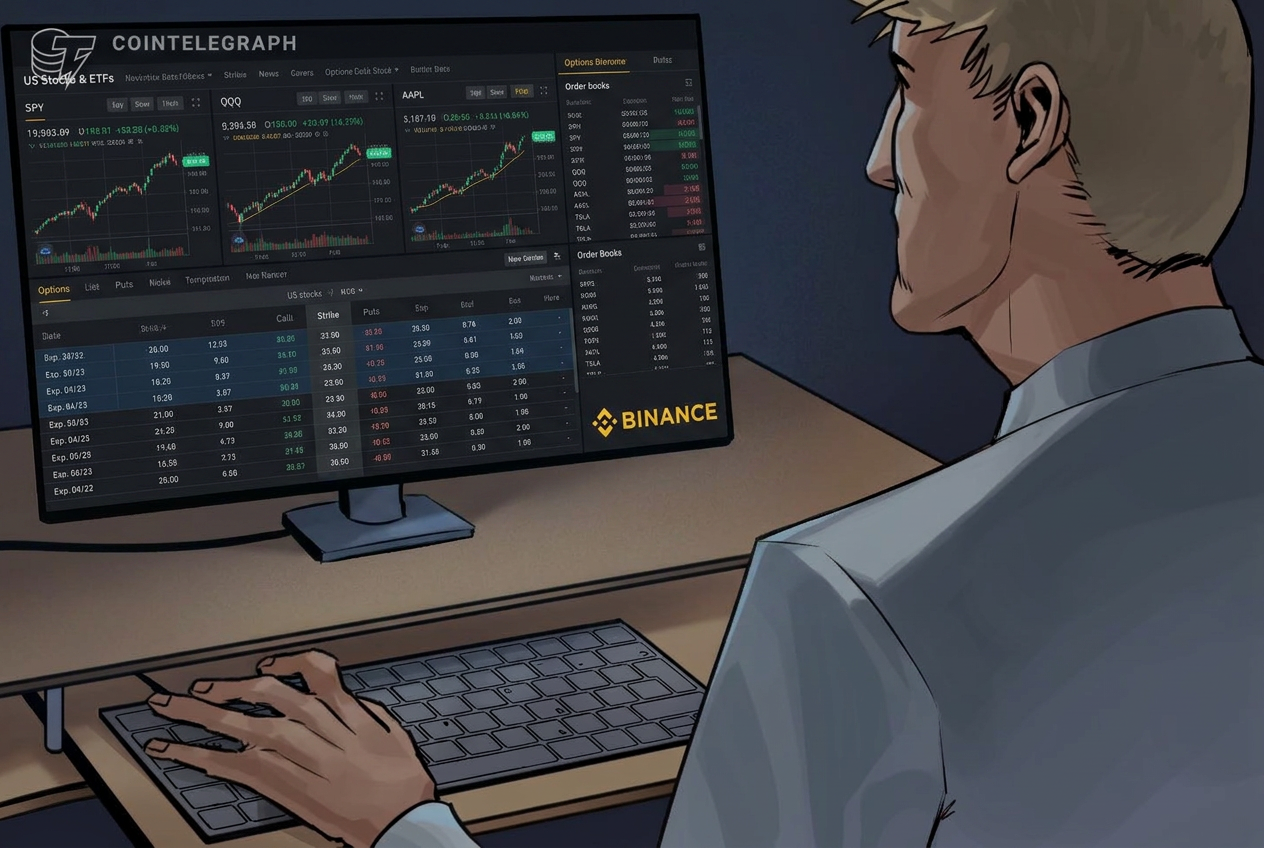 The launch gives eligible non-US users access to physically settled options on more than 1,000 US stocks and ETFs through a single Binance account. Binance is expanding further into traditional finance by launching options trading on more than 1,000 US stocks and exchange-traded funds for eligible users outside the United States. The options will be offered through Binance’s Abu Dhabi-regulated broker-dealer, Nest Trading, with orders routed to US-registered Alpaca Securities for execution, clearing, settlement and custody. The launch builds on Binance’s existing equities offering of more than 7,000 US stocks and ETFs and adds to a growing lineup of traditional financial products available through the platform. Read more
 -
Decrypt - 20:31 Sep 01, 2026
Bitcoin has lost ground in eight of the last 13 Septembers. The stock market's had the same problem since 1928. Here's the case for the curse, what broke it last year, and what's coming in the next round. -
CryptoPotato - 20:29 Sep 01, 2026
Kalshi is permanently cutting off George Santos after investigating trades that allegedly exploited his ability to influence the outcome of event contracts. -
CryptoSlate - 20:25 Sep 01, 2026
CEL Solicitors says it has traced more than 5,500 BTC that it believes belong to former users of Intersango, an early Bitcoin exchange that disappeared more than a decade ago. At Bitcoin’s current price near $78,824, those coins carry a value of roughly $433.5 million. One former UK customer has already recovered 61 BTC from […] The post How recovery of 61 BTC unlocked a potential $432M treasure hunt for early Bitcoin users appeared first on CryptoSlate. -
Cointelegraph.com - 20:14 Sep 01, 2026
 UK authorities froze $13.5 million in cash following a January 2025 order from the Westminster Magistrates’ Court as part of an investigation into Sorare. The UK’s National Crime Agency (NCA) has reportedly frozen 10 million pounds, or about $13.5 million, as part of an investigation into online sports company Sorare. According to a Monday report from UK news outlet The Sun, the NCA was conducting a probe into Sorare over claims of unlicensed gambling. The company is behind digital trading cards on the blockchain and signed a four-year, $162-million partnership deal with the Premier League in 2023, which was terminated at the end of last season. The Sun reported that the NCA froze $13.5 million in cash following a January 2025 order from the Westminster magistrates’ court. A spokesperson reportedly said that the order was intended “to prevent dissipation of the funds while the NCA investigates any potential links between those funds and alleged third-party criminality.” Read more