DeFi | Crypto
"DeFi" in Crypto feed
-
Cointelegraph.com - 12:00 Oct 22, 2026
 The UK’s 2027 crypto rules risk a de facto ban on regulated firms providing access to DeFi, argues Coinbase’s European policy head Katie Harries. Opinion by Katie Harries, head of policy, Europe, Coinbase The United Kingdom is approaching a choice that could define its financial future: should decentralized finance (DeFi) be allowed to develop through regulated gateways or will it be constrained to a silo? This is not just relevant to crypto enthusiasts; it goes to the future of capital markets, the competitiveness of the City and the UK’s ability to shape the next generation of financial infrastructure. Read more
 -
CoinDesk - 10:50 Oct 22, 2026
Bitcoin as much as 2.9% to around $81,600 as Nasdaq futures dropped, while the CoinDesk 80 lost 3.5% and DeFi index slid 6%. -
Cointelegraph.com - 17:57 Oct 21, 2026
 The foundation called for regulation based on financial risks rather than technology, warning that overlapping rules could create uncertainty for crypto businesses across the EU. The Cardano Foundation has urged the European Union not to introduce new, standalone regulations for decentralized finance and staking, arguing that existing financial laws should govern such activities based on their functions and risks rather than the technologies they use. In a Wednesday blog post outlining its 19-page Sept. 30 submission to the European Commission, the foundation called for a distinction between direct participation in decentralized networks and financial services provided by intermediaries, particularly those involving custody or control of users’ assets. “Regulation should follow the substance of an activity, the functions performed, and the risks created, not the technology through which it is conducted,” the foundation wrote. Read more
 -
Cointelegraph.com - 17:25 Oct 21, 2026
 The UK Financial Conduct Authority consultations came just weeks after the agency opened applications for companies under its new crypto regulatory regime. The UK’s Financial Conduct Authority (FCA) announced two consultation periods for how companies using decentralized finance can comply with its guidance, and exclusions for certain crypto assets following “recent legislative changes.” In a Wednesday notice, the FCA opened consultation periods for helping DeFi companies comply with the financial watchdog’s rules on money laundering and financial crime. The agency also announced a consultation for “exclusions from cryptoasset regulation,” citing recent legislation in the country. Regarding DeFi, the FCA said that the proposed guidance “seeks to clarify existing rules rather than establish new policy.” Read more
 -
Cointelegraph.com - 10:46 Oct 21, 2026
 French authorities want crypto exchanges to conduct checks on DeFi protocols and face liability for certain customer losses under proposed changes to EU crypto rules. France wants cryptocurrency platforms to face liability for certain decentralized finance (DeFi) incidents if they fail to vet protocols or ignore known security risks. French authorities published proposals Wednesday to revise the European Union’s Markets in Crypto-Assets Regulation (MiCA). The joint response to a European Commission consultation came from France’s Treasury, the Financial Markets Authority (AMF), the central bank and the Prudential Supervision and Resolution Authority (ACPR). “CASPs [crypto-asset service providers] should be liable for certain incidents affecting clients where they actively facilitated access,” French authorities said. Read more
 -
CoinDesk - 10:26 Oct 19, 2026
Bitcoin rose 0.8% to around $82,700 as China’s GDP beat estimates and Nasdaq futures rebounded, while the CoinDesk 80 gained 1.3% and DeFi led gains. -
Cointelegraph.com - 05:32 Oct 14, 2026
 Starknet’s Shadow Accounts allow users to obscure connections between their main wallets and DeFi activity, though transactions remain visible onchain. Ethereum layer-2 network Starknet has launched a wallet privacy feature that lets users interact with decentralized finance (DeFi) apps without publicly linking activities to their main wallets. StarkWare, the team behind Starknet, said that its new Shadow Accounts feature creates separate, persistent addresses for individual applications. Users can fund the accounts using shielded balances held in the network’s STRK20 privacy pool. This allows them to maintain lending, trading or other DeFi positions under different onchain identities. The new privacy feature obscures the connection between the shadow account and the wallet funding it. However, balances, transactions and positions of these shadow accounts remain publicly visible onchain, according to Starknet. Read more
 -
CryptoSlate - 11:30 Oct 06, 2026
LlamaRisk recommends a smaller December PT reserve as October 8 ends the old yield term while Aave borrowing costs continue. The post Aave and Pendle may have found a way to keep yield capital from ever leaving DeFi appeared first on CryptoSlate. -
CryptoSlate - 10:00 Oct 06, 2026
Under proposed CIP-113, separating bundled assets requires holder authorization and the restricted token’s permission hook. The post Cardano just added the kind of token controls Wall Street wants and DeFi may hate appeared first on CryptoSlate. -
CryptoSlate - 13:40 Oct 02, 2026
Eligible retail holders rely on market liquidity, while verified institutions can request issuer redemption and stakers absorb losses after protocol reserves. The post Cardano’s DeFi has shrunk by more than half and RealFi is betting credit can revive it appeared first on CryptoSlate. -
Cointelegraph.com - 04:29 Sep 30, 2026
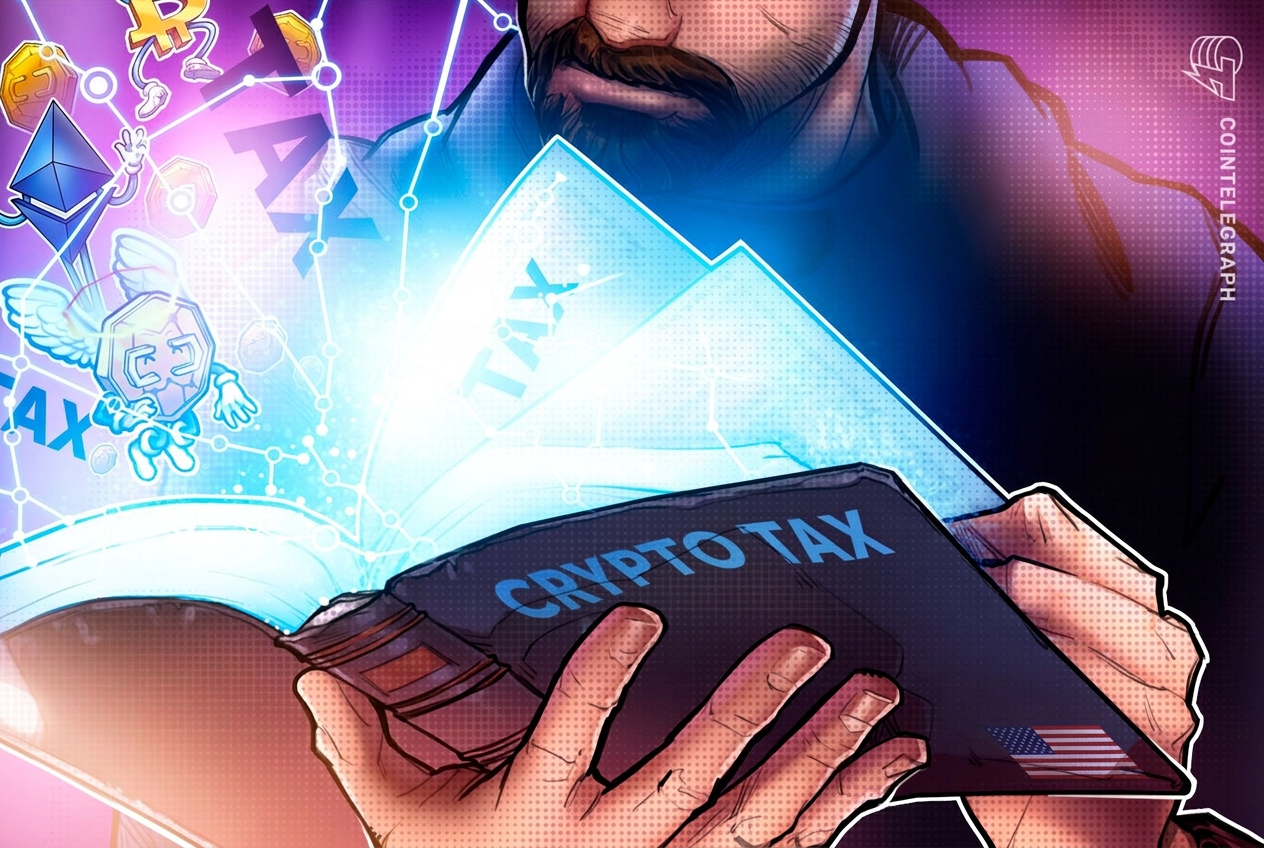 Illinois’ draft rules spell out how its 0.2% digital asset transaction tax would apply to stablecoins, DeFi platforms, crypto bridges and self-custody transfers. Illinois tax officials have published draft rules detailing how the state’s already-enacted 0.2% digital asset transaction tax would apply to stablecoins, decentralized finance (DeFi) platforms and other crypto activity. The new draft rules provide implementation details for the law, including which transactions and digital assets would fall within its scope. Under the proposal, stablecoins would be treated as digital assets subject to tax, while nonfungible tokens would be excluded. DeFi transactions would generally be exempt unless users pay fees considered “valuable consideration,” such as protocol fees collected for operating or maintaining a platform. Network fees and swap fees paid solely to liquidity providers would not trigger the tax. Read more
 -
CryptoSlate - 05:10 Sep 26, 2026
Its MiCA review response points to crypto firms’ access routes while any new lending duties remain a future legislative choice. The post EU faces September 30 clock to decide future of DeFi loans appeared first on CryptoSlate. -
CryptoSlate - 14:35 Sep 21, 2026
SEC and CFTC actions focus on custody, access, routing, fees and intervention powers, each within a separate legal framework. The post Why truly decentralized DeFi needs no legal exemption according to SEC Commissioner Hester Peirce appeared first on CryptoSlate. -
CryptoSlate - 11:10 Sep 16, 2026
Malicious Uniswap v4 hooks can win aggregator routing with attractive quotes, then change behavior when a user's transaction settles. The post Malicious Uniswap v4 hooks are baiting DeFi traders with fake swap quotes appeared first on CryptoSlate. -
CryptoSlate - 16:30 Sep 15, 2026
The proposing wallet submitted after receiving 87,238 FORTH of delegated power; the action ended with zero votes and no transfer. The post DeFi governance gap allows one wallet to request 98% of Ampleforth treasury’s USDC balance appeared first on CryptoSlate. -
CryptoSlate - 12:30 Sep 15, 2026
A Sept. 25–29 vote would decide the wind-down, while BAL holders’ treasury claim would wait until May 2027. The post A DeFi giant that once held $3 billion is now proposing to wind itself down appeared first on CryptoSlate. -
Cointelegraph.com - 20:54 Sep 14, 2026
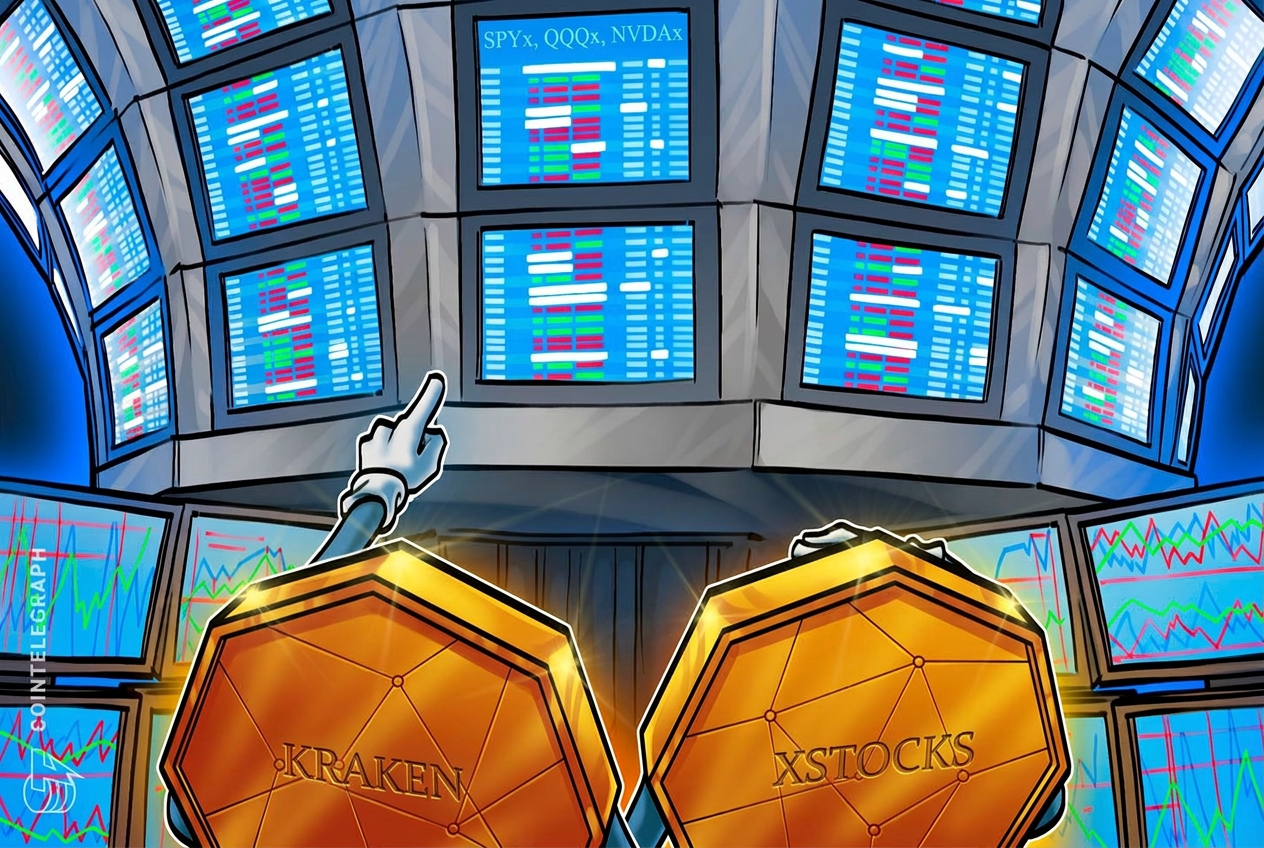 Kraken’s new xStocks vaults let investors earn yield on tokenized versions of Nvidia and major US stock market ETFs by lending the assets in DeFi markets. Crypto exchange Kraken has launched onchain yield vaults for select tokenized stocks and ETFs, allowing clients to earn returns by lending the assets through decentralized finance protocols, according to a Monday announcement. The new xStocks vaults support tokenized versions of the SPDR S&P 500 ETF (SPYx), Invesco QQQ ETF (QQQx) and Nvidia (NVDAx), with yield generated by lending the assets through onchain markets. Yield is paid in the deposited xStocks, while withdrawal requests are processed within three days. The vaults use the same infrastructure as Kraken DeFi Earn, which launched in January and has since attracted more than $800 million in deposits, according to the company. Read more
 -
CryptoSlate - 13:45 Sep 13, 2026
Open Jupiter, tell it you want to swap SOL for USDC, check the price, and press the button. From the user's point of view, there is not much more to it. So it's only natural to assume that Jupiter is where the trade happens. In reality, Jupiter is closer to a search engine for liquidity. […] The post Why 90% of your DeFi trades are quietly being routed back to Wall Street market makers appeared first on CryptoSlate. -
Cointelegraph.com - 13:30 Sep 11, 2026
 Why would anyone want to trade a healthcare stock for a memecoin like BONER? Why wouldn’t they, ask the degens on Robinhood Chain who are building a strange new corner of DeFi. The HIMS token is designed to track shares of the teleheath company Hims & Hers, which trade on the New York Stock Exchange (NYSE). On Robinhood Chain, traders can buy and sell the tokenized stock alongside other crypto assets like memecoins. And that’s what happened with BONER. The deliberately ridiculous memecoin was paired with HIMS in a liquidity pool, where traders could swap between the two tokens. Read more
 -
Cointelegraph.com - 06:08 Sep 11, 2026
 The bill’s ethics section remained largely unchanged despite being one of the main points of contention ahead of a pivotal Senate vote. A revised version of the CLARITY Act would direct United States regulators to determine whether people or groups controlling “non-decentralized finance trading protocols” must comply with securities, commodities and anti-money laundering (AML) requirements. The revised text, posted on Senator Cynthia Lummis’ website, defines such a protocol as one whose functionality, operation, or rules can be materially altered by a person or coordinated group. The definition also covers protocols whose controllers can restrict users or whose transactions are not governed solely by transparent, pre-established code. Under the proposal, the Securities and Exchange Commission (SEC) and Commodity Futures Trading Commission (CFTC) would develop activity-based rules addressing registration, conduct, disclosure, recordkeeping and supervision. Meanwhile, the Treasury would establish how existing B...