Crypto
-
CryptoPotato - 10:42 Jun 29, 2026
The large allocation held by one wallet has prompted warnings about the possibility of market manipulation risks. -
Cryptonews.com - 10:22 Jun 29, 2026
El Salvador holds 7,696 BTC worth ~$460M, but IMF loan conditions ban new public-sector purchases — putting Bukele's accumulation strategy under pressure. The post El Salvador Claims It’s Buying Bitcoin Daily, But the IMF Disagrees appeared first on Cryptonews. -
CryptoSlate - 10:10 Jun 29, 2026
Bitcoin and Ethereum ETF outflows dwarfed XRP’s weekly inflow, while selective demand for XRP and HYPE wrappers showed institutions separating broad crypto risk from targeted altcoin exposure. The post Institutions dumped Bitcoin and Ethereum ETFs but still bought XRP and HYPE again appeared first on CryptoSlate. -
CoinDesk - 10:01 Jun 29, 2026
European regulator ESMA called on unauthorized crypto-asset service providers to wind down their businesses in an orderly manner as the MiCA transitional period ends on July 1. -
Cointelegraph.com - 09:55 Jun 29, 2026
 Bitcoin prepped an "interesting" RSI divergence into the Q2 and June candle close as analysis compared $60,000 to the $30,000 mark in the 2022 bear market. Bitcoin (BTC) nears the end of June and Q2 2026 threatening to lose $60,000 support. Can RSI divergences save bulls? Key points: Read more
 -
CryptoPotato - 09:48 Jun 29, 2026
Historical cycle timing suggests Bitcoin's next major bottom could form this fall, roughly a year after the peak in last October. -
Cointelegraph.com - 09:40 Jun 29, 2026
 Kiwoom Securities is reportedly seeking to acquire a stake in crypto exchange Bithumb, as more brokerage firms race to secure a stake in the industry ahead of the FSC’s new regulatory reforms in July. South Korean brokerage Kiwoom Securities is reportedly in talks to buy a stake in Bithumb, making it the latest traditional financial firm in the country to seek exposure to a local crypto exchange. The two companies are reportedly discussing a third-party allotment of new shares that would allow Kiwoom Securities to acquire new shares issued by Bithumb, Chosun Biz reported on Monday. Cointelegraph contacted Kiwoom Securities and Bithumb for comment on the reported talks. Read more
 -
CoinDesk - 09:40 Jun 29, 2026
Bitcoin is trading below key technical and onchain valuation levels, with historical bear market patterns suggesting a potential bottom closer to $45,000. -
CryptoSlate - 09:15 Jun 29, 2026
The local rupee quote shows how enforcement pressure can make stablecoin liquidity more expensive before regulated rails are ready. The post Tether trades 8.5% above India’s dollar rate as policy pressure hits USDT access appeared first on CryptoSlate. -
CryptoPotato - 08:19 Jun 29, 2026
LAB and BEAT have plummeted the most over the past 24 hours, dropping by double digits. -
Cointelegraph.com - 08:16 Jun 29, 2026
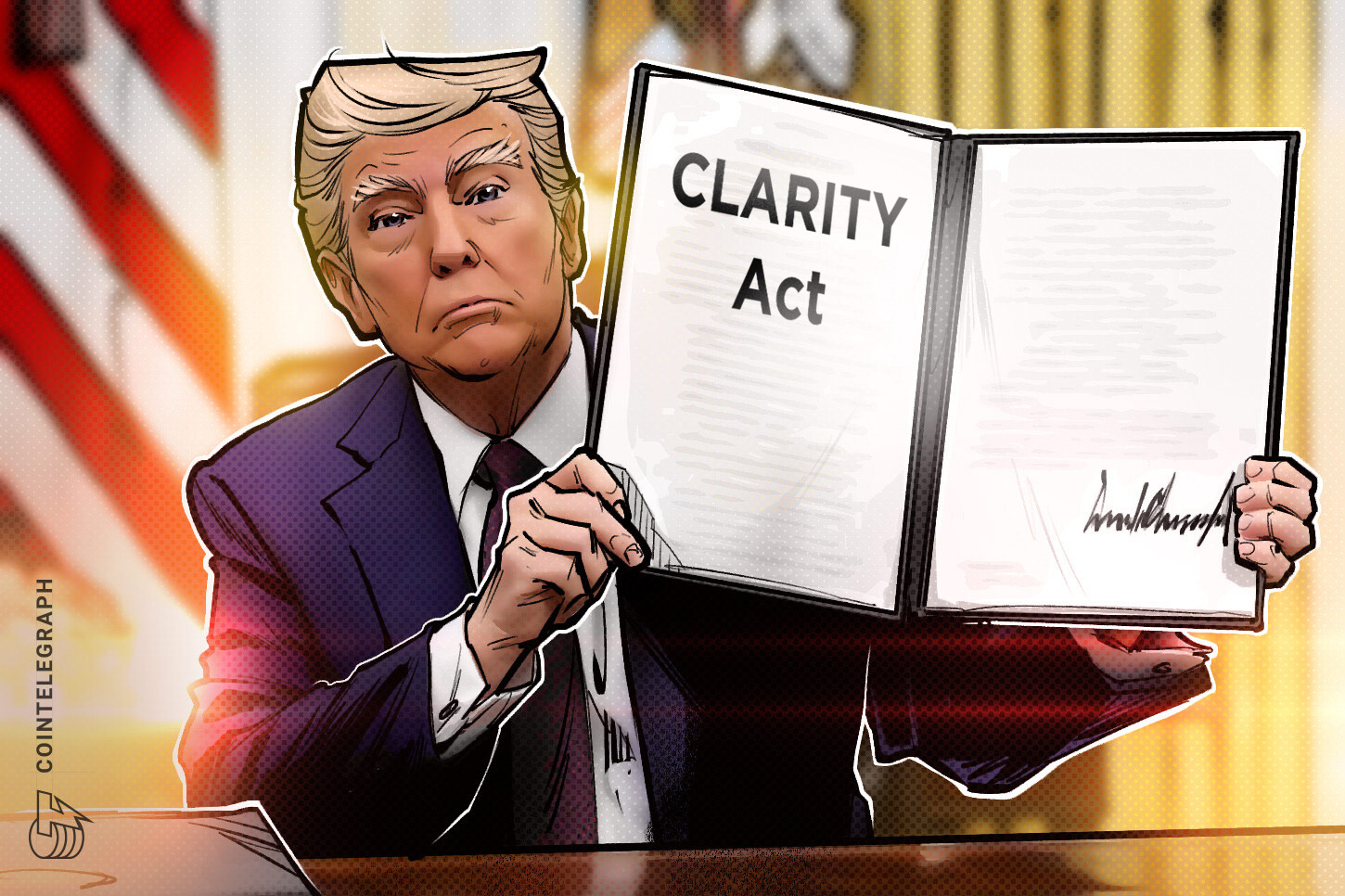 Galaxy cut its 2026 CLARITY Act odds to 50%, warning that Senate floor time is running out before the August recess. Galaxy Digital has cut its odds of the CLARITY Act becoming law in 2026 to 50%, warning that the US Senate is running out of time to move the crypto market structure bill before its August recess. “We are reducing our odds of CLARITY Act passage in 2026 to 50-50,” wrote Galaxy's head of firmwide research, Alex Thorn, citing the lack of a unified Senate Banking-Agriculture text, no firm floor schedule and a narrowing legislative window before lawmakers leave Washington. Thorn said the downgrade was about the bill's timing, not substance and added that the congressional competition for floor time “intensified” after US President Donald Trump abruptly canceled the signing of the bipartisan housing bill and said he would not sign it until Congress passed the SAVE Act, to introduce a proof-of-citizenship elections bill. Read more
 -
CryptoPotato - 07:50 Jun 29, 2026
'One day a year is not enough to celebrate the Pi community,' said the team. -
Cryptonews.com - 07:40 Jun 29, 2026
If you are involved in crypto for the past few years then you likely remember that since 2024, a wave of privacy-coin delistings has happened on centralized crypto exchanges. Binance announced it would remove Monero (XMR) trading, effective February 20, 2024, and OKX delisted XMR, Zcash (ZEC), and Dash (DASH) the same year amid mounting […] The post As Exchanges Delist Monero, GhostSwap Keeps It Swappable – No KYC appeared first on Cryptonews. -
CryptoPotato - 07:24 Jun 29, 2026
Loopring will distribute funds directly to users and cover transaction fees. Users do not need to take any action. -
CryptoPotato - 05:46 Jun 29, 2026
A short but busy week lies ahead on the US economic calendar, while markets need to digest the re-escalation of military action in the Middle East. -
Cointelegraph.com - 05:31 Jun 29, 2026
 The AI investment surge is a potential flashpoint for systemic risk, “as financing has relied on enormous debt and highly leveraged nonbank structures that can rapidly unwind,” one analyst said in response to the report. The Bank for International Settlements has warned that artificial intelligence “exuberance” could have major financial consequences, as heavy reliance on debt financing in AI ventures raises the risk of cascading defaults if investor optimism fades. The five largest hyperscalers are set to spend more than $1 trillion on AI-related capital expenditures from 2025 through 2026, and these commitments are outpacing earnings, the Basel-based institution said in its annual economic report released Sunday. “Equity valuations are elevated, particularly for firms at the core of AI development ... sustaining such high growth could become increasingly challenging,” the bank said. Read more
 -
Cointelegraph.com - 03:15 Jun 29, 2026
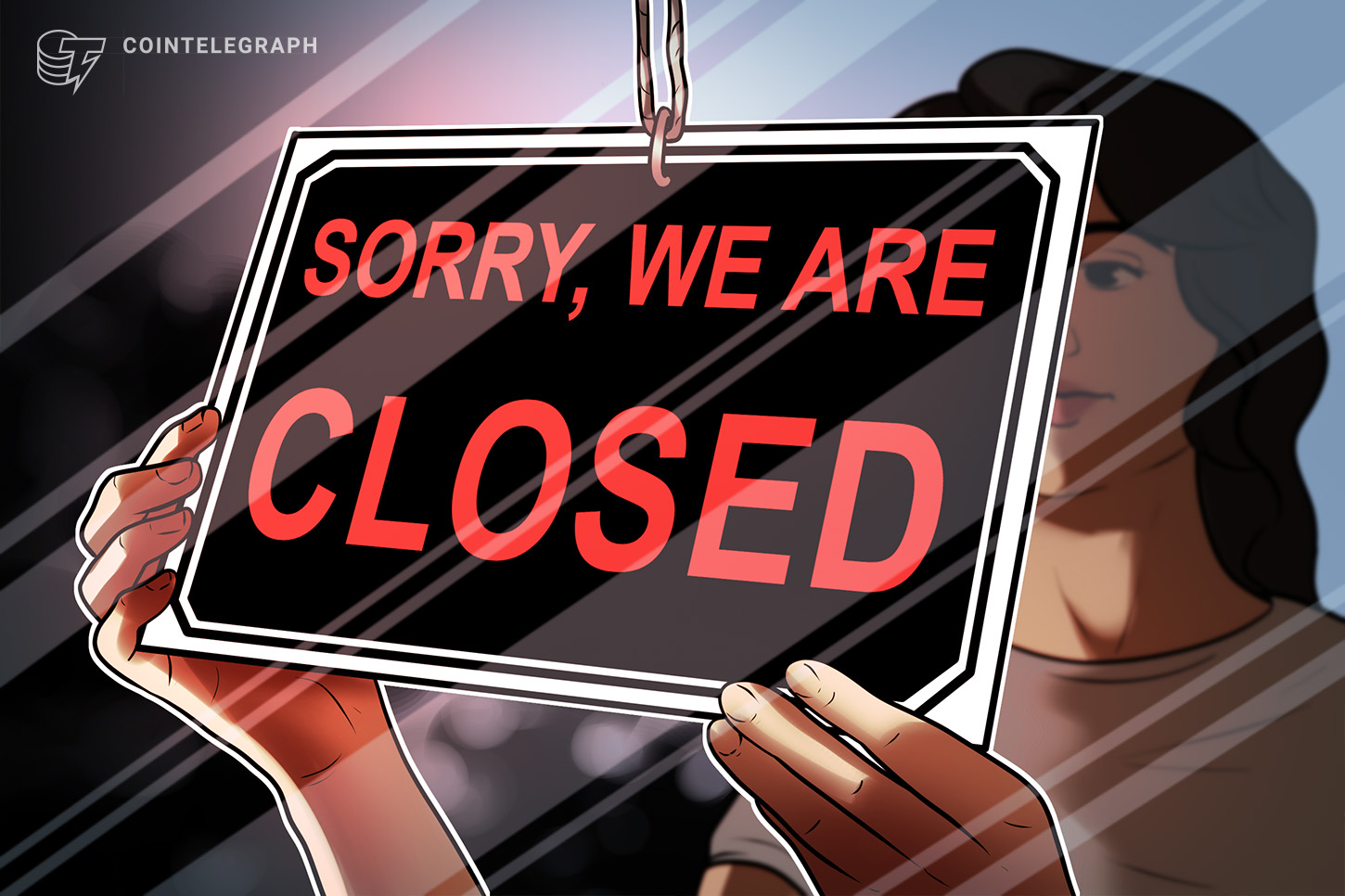 “We lacked a virtual machine, no composability, no real‑world payment use cases. That limitation kept our ecosystem from growing,” said the team. Ethereum’s first zero-knowledge rollup, Loopring, announced Sunday the closure of its decentralized exchange and automated market maker, ending all trading services and halting the relayer effective immediately. In a post on X on Sunday, the team cited three main reasons for the closure: its failure to gain meaningful adoption, a lack of business development skills and being technologically surpassed by modern zkEVM solutions. “To be honest, Loopring never gained meaningful adoption,” the team said. “As the first zk-rollup, we lacked a virtual machine – no composability, no real‑world payment use cases. That limitation kept our ecosystem from growing.” Read more
 -
Cointelegraph.com - 02:43 Jun 29, 2026
Sharplink bought nearly 40,000 ETH last week after an eight-month pause, adding to signs the company has resumed its Ether accumulation strategy. Crypto treasury company Sharplink, which resumed buying Ether last week after an eight-month pause, has bought a total of $62.4 million worth of Ether since Thursday. Onchain data from Arkham shows that after Sharplink bought 5,000 ETH on Thursday, it bought another 5,000 ETH (worth $7.9 million) on Friday, followed by 29,196 ETH (worth $46.7 million) across three over-the-counter transactions on Saturday. Source: Lookonchain Read more
-
Cointelegraph.com - 02:32 Jun 29, 2026
 Bitcoin RSI bullish divergences formed the basis for the new bull case, but some market takes warned that new BTC price lows were still to come. Bitcoin (BTC) continued its battle to reclaim $60,000 into the weekend as chart cues fueled hopes of a recovery. Key points: Read more