Ledger | Crypto
"Ledger" in Crypto feed
-
Cointelegraph.com - 13:30 Oct 21, 2026
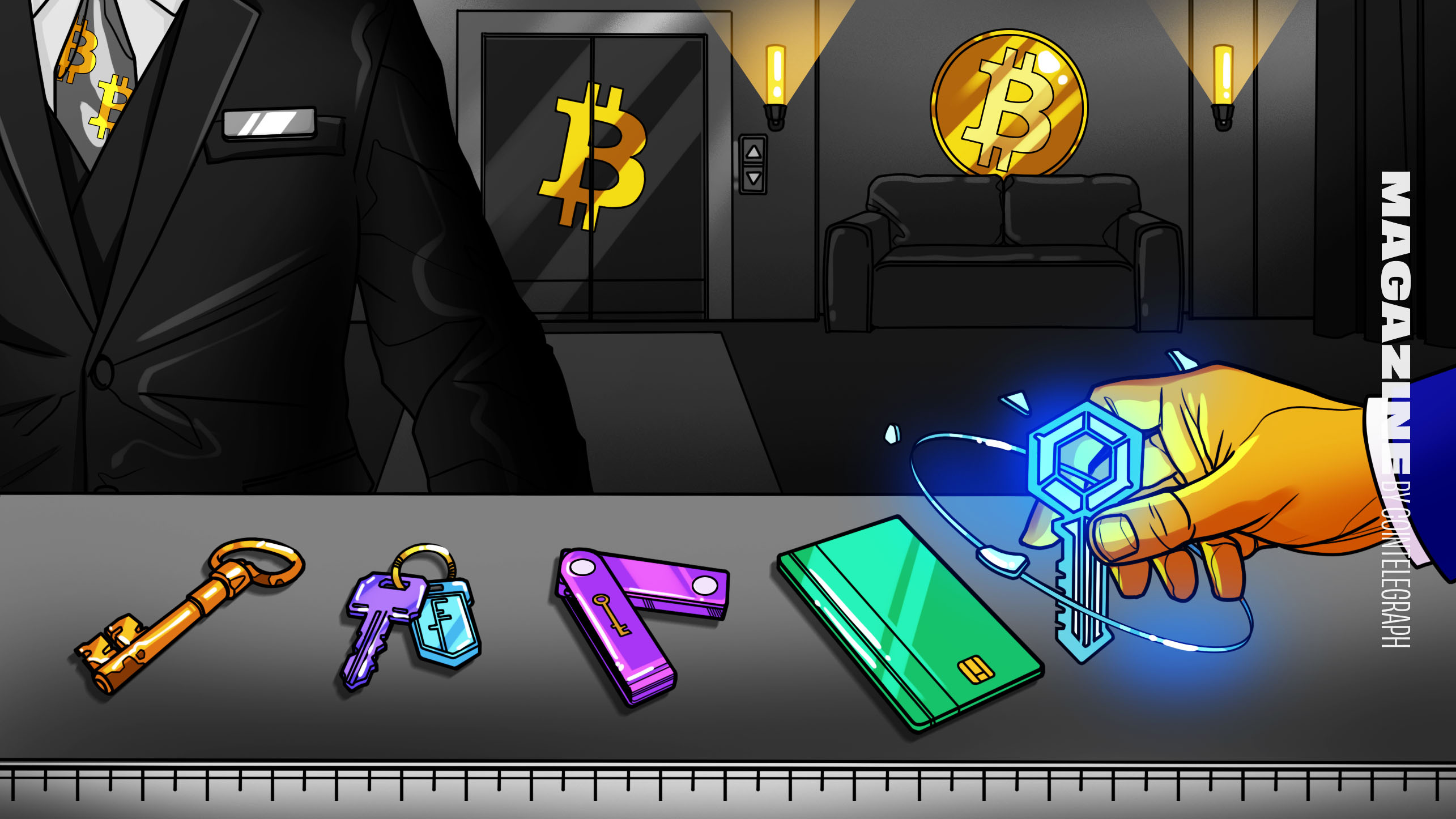 Hardware wallets aren’t the only way to protect your crypto, but from ETFs and passkeys to multisig accounts, each alternative has its own risks and trade-offs. After more than $200 million dollars worth of crypto was stolen in recent months from tampered Ledgers, and Coldcards where the seed generated wasn’t truly random, faith in hardware wallets has been shaken to the core. These Bitcoin and crypto holders did everything right. They bought the products from official sources, correctly stored their seed phrases and they trusted in the phrase “not your keys, not your coins”, but they lost out any way. The thefts suggest that even the most diligent crypto holder using a hardware wallet faces risks beyond their control. With the number of physical attacks on crypto holders rising — there’s been a $5 wrench attack in France every 2.5 days this year — the drawbacks of storing crypto on a hardware wallet are becoming clearer. And that’s even before you consider how many crypto owners have lost wallets and seed ph...
-
Cointelegraph.com - 13:51 Oct 16, 2026
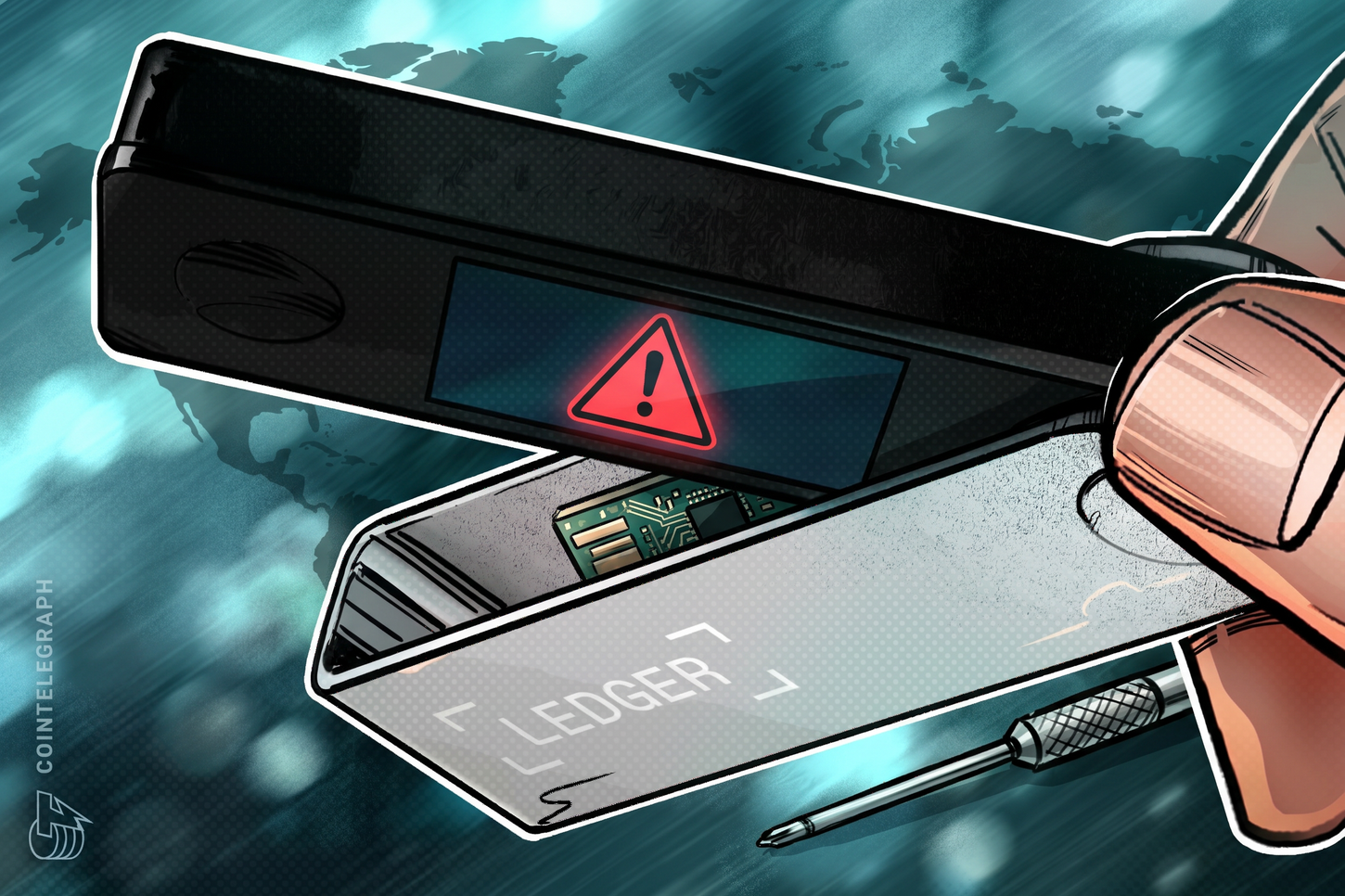 Ledger was contacted about tampered hardware wallets risks months before its latest security crisis, with former Mt. Gox CEO Mark Karpelès questioning its response. French hardware wallet maker Ledger received multiple reports of malicious hardware implants months before its latest security crisis, according to Mark Karpelès, former CEO of the collapsed Bitcoin exchange Mt. Gox. Karpelès told Cointelegraph he was aware of at least two people who contacted Ledger about tampered devices dating back to December 2025. Karpelès said he hasn’t encountered any public warning Ledger issued in response. Joe Grand, a security researcher, told Cointelegraph he alerted Ledger on March 4, 2026, about a malicious implant in a Nano X purchased through online marketplace Lazada Thailand in August 2025. Read more
-
CoinDesk - 12:00 Oct 15, 2026
Ledger’s Atom will run apps like WhatsApp and Instragram and let users switch between smartphone functions and a protected mode for managing digital assets. -
Cointelegraph.com - 12:00 Oct 15, 2026
 Ledger’s new Atom combines crypto wallet security with everyday apps and is expected to ship in summer 2027 as the company investigates tampered wallets sold in Asia. Ledger unveiled a new device on Thursday with stronger protections against tampering, days after confirming that wallets sold through a reseller in Asia contained malicious implants. The French hardware wallet maker introduced Atom, an $849 device that combines a crypto wallet with everyday apps through a smartphone-like design. Atom separates Android apps from sensitive wallet operations and includes protections Ledger says would block the implants used in the recent Asia incident. It’s also advertised to detect tampering even when switched off. The company expects to begin shipping the device in summer 2027, according to an announcement shared with Cointelegraph. Read more
-
Cointelegraph.com - 23:28 Oct 13, 2026
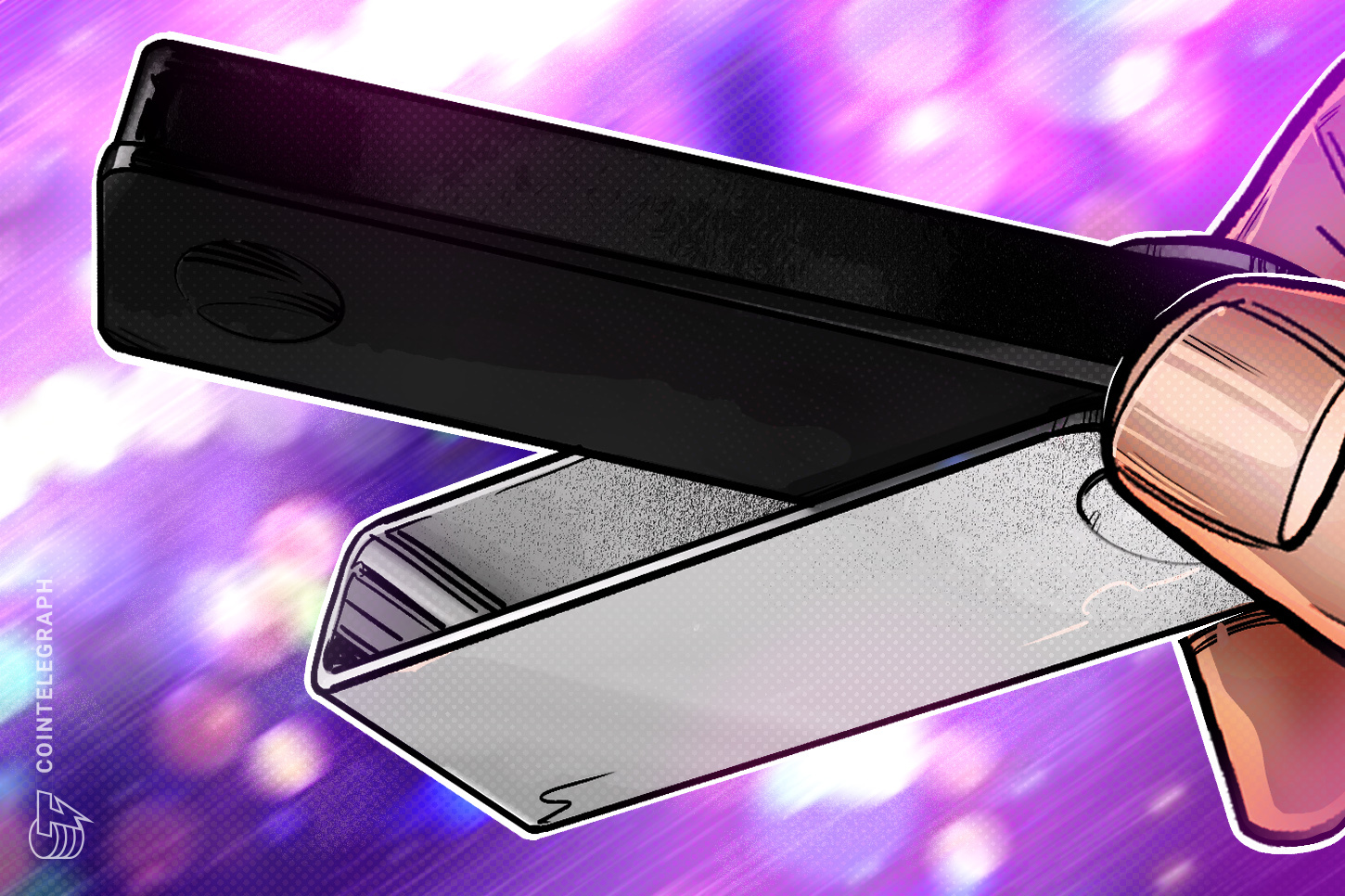 The wallet maker requested that devices be removed from shelves while investigators work to establish where tampering occurred. Ledger has requested sellers and distributors of its devices in six Southeast Asian countries and Hong Kong to suspend sales and remove its hardware wallets from shelves as it investigates reports of tampered devices. In a post on X on Tuesday, Ledger said the request covers resellers in Indonesia, Singapore, Thailand, the Philippines, Vietnam, Malaysia and Hong Kong. “To be clear, as the investigation continues, the only confirmed incidents remain contained to Southeast Asia. We have not verified a drain linked to a device bought elsewhere,” said Ledger. Read more
-
CryptoSlate - 20:40 Oct 13, 2026
Trezor is cutting authorized resellers after a hardware-implant attack against rival Ledger exposed vulnerabilities in cryptocurrency wallet distribution. In an Oct. 13 letter, Trezor Chief Commercial Officer Danny Sanders said selected partners would lose their authorization on Jan. 1, 2027, as the company tightens oversight of its supply chain. The decision marks an escalation in… Read the full story on CryptoSlate Understand the crypto stories that matter and what to watch next. Get The Catalyst in your inbox -
Cointelegraph.com - 19:07 Oct 13, 2026
 CCO Danny Sanders said he had notified certain hardware wallet resellers that they would be removed from Trezor’s list of authorized entities starting Jan. 1. Hardware wallet producer Trezor announced it would reduce its number of resellers as a “preventive step, taken out of an abundance of caution,” following reports that malicious implants had been installed in devices made by competitor Ledger. In a Tuesday X post, Trezor said there was “not a single piece of evidence that [its] devices have been compromised” after reports that Ledger hardware wallet users had found malicious implants that exposed recovery phrases. However, Trezor said that it would reduce the number of its resellers, citing “recent supply-chain incidents.” Chief commercial officer Danny Sanders added that he had notified certain resellers that they would be removed from the company’s list of authorized entities on Jan. 1, and would halt shipments of Trezor devices starting on Tuesday. Read more
-
Cointelegraph.com - 10:09 Oct 13, 2026
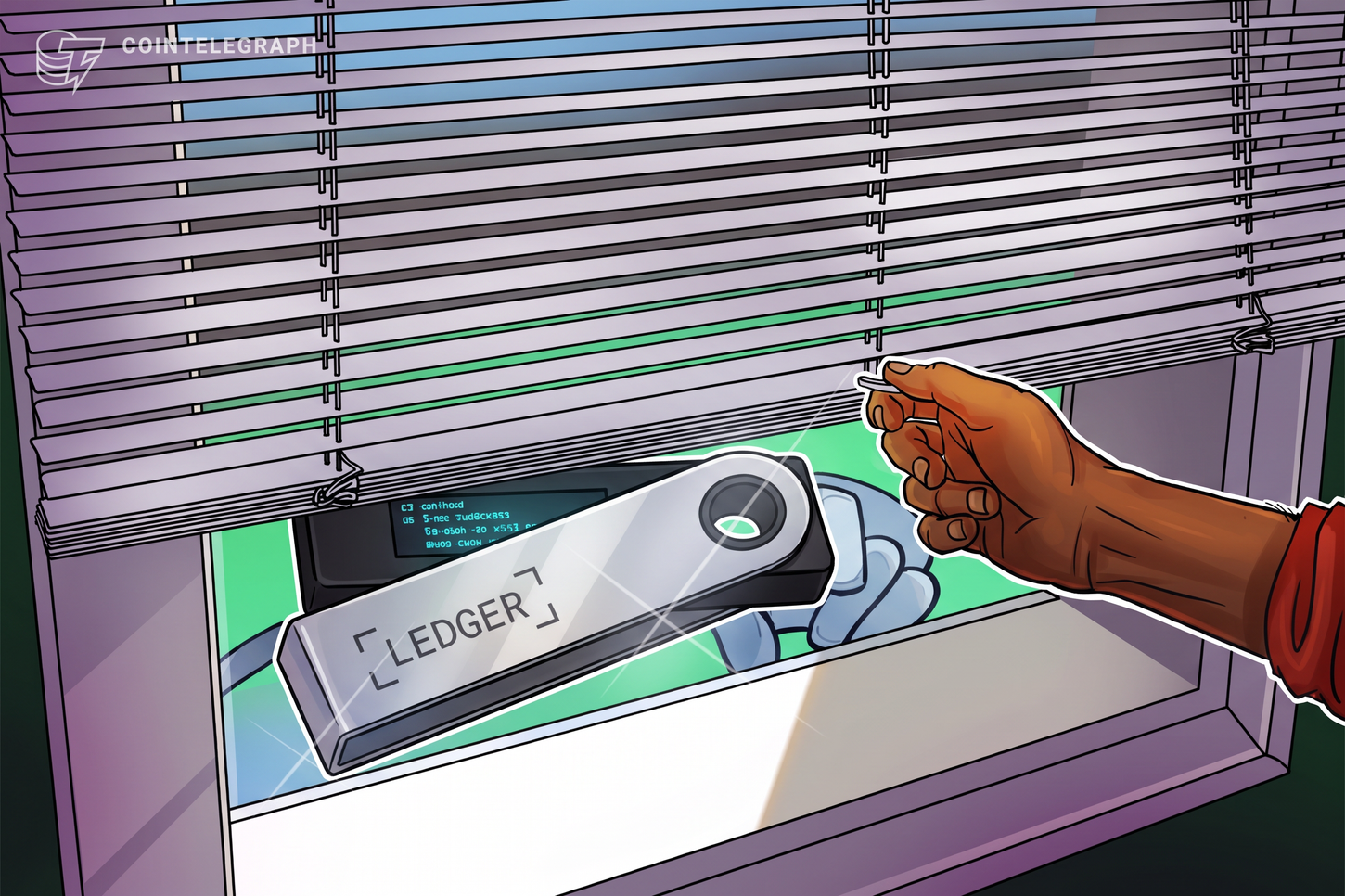 European retailer MediaMarkt pulled Ledger products as the wallet maker probes tampering reports beyond CryptoBilis in Southeast Asia. MediaMarktSaturn, the parent company of European electronics retailer MediaMarkt, has removed Ledger products from its stores and online platforms amid reports of tampered hardware wallets. “The MediaMarktSaturn Retail Group has removed all of the manufacturer’s products from its stores and online platforms and is in contact with the manufacturer,” a spokesperson told Cointelegraph in an email on Tuesday. “We take this incident very seriously.” An X user known as Johannes claimed Monday that he purchased two Ledger wallets from separate MediaMarkt stores. He said both contained unauthorized cables and cellular modules. Read more
-
CoinDesk - 09:27 Oct 13, 2026
Ledger says 'spy' chip inside CryptoBilis Ledger devices transmitted wallet keys over mobile network
The hardware-wallet maker gave its first public account of how a covert component in devices sold by CryptoBilis could steal users’ master keys without changing Ledger’s software. -
Cointelegraph.com - 08:45 Oct 13, 2026
 Ledger detailed how LTE-enabled implants exposed wallet recovery phrases as CryptoBilis halted sales and Trezor and OneKey cut ties with the reseller. Malicious implants in Ledger wallets sold by CryptoBilis captured users’ recovery phrases from device screens and transmitted them over cellular networks, the French hardware wallet maker said. Ledger Donjon, the company’s security research team, found that the implants used a microcontroller to decode the 24-word phrases displayed during setup and transmitted the data over LTE networks using an embedded SIM (eSIM), according to a Tuesday X post by Ledger. The implants did not compromise the devices’ security chips or alter transactions, Ledger said. Read more
-
Cointelegraph.com - 14:07 Oct 12, 2026
 The discovery of an unauthorized Ledger hardware implant reignited debate on whether Bitcoin ETFs are safer than self-custodying Bitcoin via hardware wallet devices. The newly discovered Ledger exploit has stirred broad industry debate over the safety of hardware wallets compared to effectively custodying Bitcoin holdings through exchange-traded funds (ETFs). Bitcoin analyst Plan B said his then-controversial decision to move his Bitcoin (BTC) holdings to ETFs in 2025 was the right call in light of the recent Coldcard and Ledger exploits. “Zero regrets” about my ETF decision, wrote the analyst in a Monday X post. Large holders have been converting self-custodied assets to ETFs for “enhanced security” for years, which is one of the main “selling points” for ETFs, 21Shares co-founder Ophelia Snyder told Cointelegraph in an email on Monday, adding that the recent exploits made this phenomenon part of the “public discourse.” Read more
-
CoinDesk - 12:01 Oct 12, 2026
Ledger said every confirmed case involves devices sold by the Southeast Asian reseller, but critics say the hardware-wallet maker must answer for an authorized sales channel. -
CoinDesk - 07:49 Oct 12, 2026
Ledger confirmed an unauthorized hardware implant in a device linked to crypto losses at CryptoBilis, a Southeast Asian reseller. The company says confirmed cases are limited and its internal systems remain unaffected. -
CryptoSlate - 06:00 Oct 12, 2026
Ledger has confirmed an unauthorized hardware implant in one affected customer's wallet as independent investigators estimate $93.2 million in suspected cryptocurrency thefts. In an Oct. 10 statement, the hardware wallet manufacturer said the discovery involved a device belonging to one of the affected users. It added that CryptoBilis, an authorized reseller operating in Southeast Asia, […] The post Ledger wallet implant exposes a gap in its authenticity check appeared first on CryptoSlate. -
Cointelegraph.com - 22:57 Oct 11, 2026
 An user reports buying a tampered Ledger from a big retailer in Europe. Security researchers use AI to uncover a “$94 billion” XRP bug — but receive just a $250K bounty. A tampered Ledger attack that has already seen an estimated $93.4 million taken from Asian hardware wallet users, has reportedly spread to Europe. X user Johannes has presented photographs of a tampered Ledger he said he purchased two weeks ago from the European consumer electronics chain MediaMarkt. The implant inside appears to be an earlier version of the one found linked to CryptoBilis shipped devices in Asia, and no funds have been taken. “Either the device didn’t work, or they were waiting for a more widespread usage of the compromised devices,” he said. Former Mt Gox CEO Mark Karpeles, whose investigations into the tampered Asian Ledgers helped bring the problem to light, said the antenna in the device says it is the “Eurasian version” suggesting separate versions of the implant have been sent to regions that use different mobile frequ...
-
Cointelegraph.com - 09:01 Oct 11, 2026
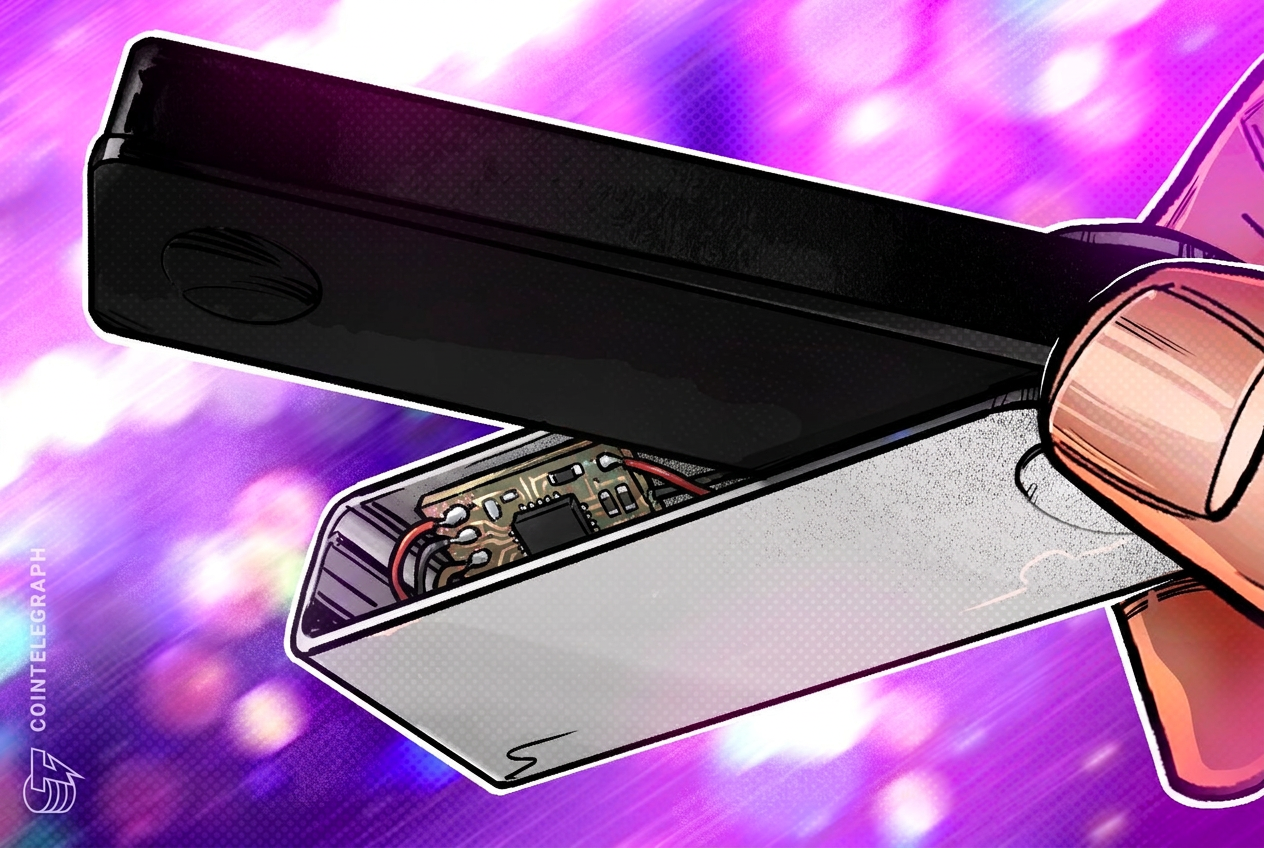 Ledger said the incident appeared to be isolated to a single reseller and its Southeast Asian market. Hardware wallet maker Ledger, which has been investigating reports of crypto losses involving its devices purchased from a Southeast Asian reseller, confirmed that one of the impacted users’ devices contained an unauthorized hardware implant. Ledger said in a Sunday post on X that it was reaching out to users as part of its ongoing investigation into the losses, which investigator Specter estimated may exceed $86 million across Bitcoin, Ethereum and Tron. Ledger asked that if individuals have information regarding the investigation, could they please reach out to its bounty program at bounty@ledger.fr. Read more
-
CryptoSlate - 21:10 Oct 09, 2026
Suspected Ledger wallet thefts are approaching $90 million as Tether freezes USDT stablecoin linked to the incident, according to blockchain investigators. In an Oct. 9 statement, the crypto hardware wallet maker said it was investigating reports that customers lost funds after buying devices from CryptoBilis, an authorized reseller operating in Southeast Asia. As a precaution, […] The post Ledger hack scare nears $90 million as Tether moves to freeze stolen USDT appeared first on CryptoSlate. -
Cointelegraph.com - 17:02 Oct 09, 2026
 Hardware wallet maker Ledger probes losses tied to reseller CryptoBilis, as researchers separately estimate more than $72 million to $86 million in suspected crypto thefts. Hardware wallet maker Ledger is investigating reports of cryptocurrency losses involving devices purchased from a Southeast Asian reseller, warning affected customers to consider moving their assets to new wallets while the investigation continues. In a statement posted on X, Ledger said it had asked reseller CryptoBilis to suspend sales and shipments of its devices as a precaution. Customers who purchased devices from the reseller within the past 90 days were advised not to set them up, while those who had already done so were advised to consider transferring their assets to a new Ledger signer with a newly generated recovery phrase. CryptoBilis is listed as an authorized Ledger reseller in Indonesia, Malaysia and the Philippines. Read more
-
Cointelegraph.com - 15:20 Oct 09, 2026
 Bitcoin and crypto markets eyed a recovery from Thursday’s drop despite concerns of another hardware wallet exploit. Bitcoin (BTC) sought to avoid fresh losses on Friday as crypto markets digested reports of an exploit affecting Ledger hardware wallets. Key points: Read more
-
CryptoSlate - 17:55 Sep 13, 2026
Balances, history and transactions remain unavailable in the app, but Ledger lists Cosmostation and Keplr for urgent access. The post Cosmos is back online after outage, but Ledger users still can’t see or send their ATOM appeared first on CryptoSlate.