USDt | Crypto
"USDt" in Crypto feed
-
CryptoPotato - 07:26 Oct 22, 2026
One of the most popular international cryptocurrency exchanges, Toobit, has announced the return of its Halloween Horror Hunt event. It offers rewards of up to 500,000 USDT, including cryptocurrencies, tech gadgets, trading bonuses, gold, and exclusive merchandise. Get Ready for This Year’s Halloween The campaign returns on October 21st and will last until November 11th, […] -
Cointelegraph.com - 20:26 Oct 21, 2026
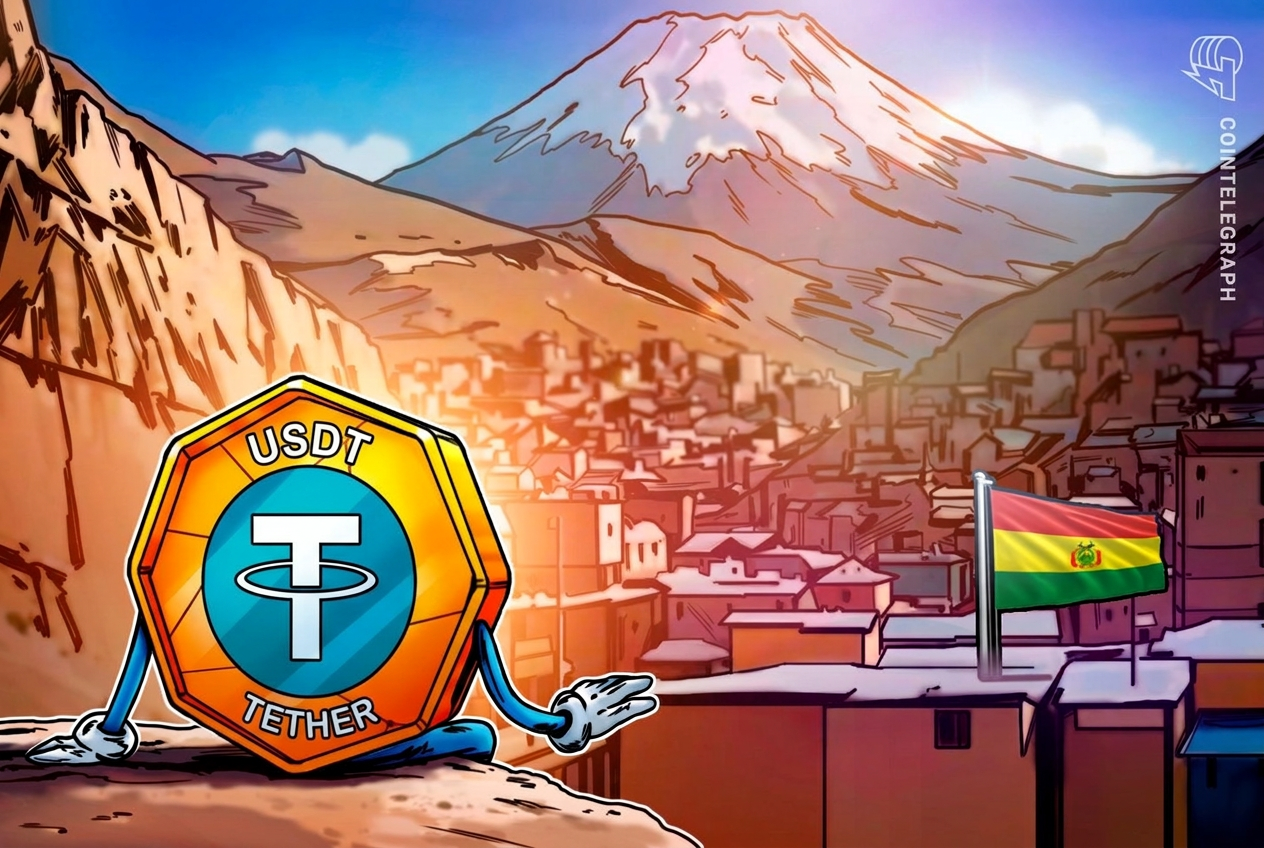 The investment will support Peso’s expansion across four Latin American markets, where it connects stablecoin payments to merchant services and local banking networks. Tether has led a pre-seed funding round in Bolivian fintech Peso, which offers USDT payments through food delivery apps and local banking networks, to support the company’s expansion across Latin America. In a Wednesday announcement, Tether said the investment will help Peso expand its stablecoin payment infrastructure across Bolivia, Brazil, Colombia and Argentina, including services that connect USDT with local currencies through banking and merchant payment systems. Peso has integrated USDT payments into Yango’s food delivery service in Bolivia, allowing customers to pay for orders using the stablecoin. The fintech offers QR payments, point-of-sale services for merchants and virtual accounts linked to Bolivia’s banking system through ACH transfers. Tether did not disclose the size of its investment. Read more
 -
CryptoSlate - 21:10 Oct 09, 2026
Suspected Ledger wallet thefts are approaching $90 million as Tether freezes USDT stablecoin linked to the incident, according to blockchain investigators. In an Oct. 9 statement, the crypto hardware wallet maker said it was investigating reports that customers lost funds after buying devices from CryptoBilis, an authorized reseller operating in Southeast Asia. As a precaution, […] The post Ledger hack scare nears $90 million as Tether moves to freeze stolen USDT appeared first on CryptoSlate. -
Cointelegraph.com - 19:04 Oct 09, 2026
 Chad Barraford, technical co-founder of the network, said that the funds were frozen and then unfrozen without explanation. THORChain technical co-founder Chad Barraford accused stablecoin issuer Tether of blacklisting the network’s USDt (USDT) vaults without explanation, then unfreezing them hours later. In a Friday X post, Barraford said that Tether had blacklisted THORChain vault addresses, freezing about a combined 1.45 million USDT in the network’s funds across four wallets. He reported about two hours later than trading would resume after the company unfroze all the addresses. “We don’t know why this choice was made and have had no comms with USDT before this action and are actively reaching out to have a conversation,” said Barraford before the addresses were unfrozen. “We hope that this was made in error / misunderstanding.” Read more
 -
CryptoSlate - 11:00 Oct 02, 2026
OFAC’s October 1 designation expands blocking sanctions to the broader network, while FinCEN’s separate sub-agent transfer restriction remains proposed. The post US targets $17 billion Russia-linked crypto payment network using USDT as an escape route appeared first on CryptoSlate. -
CoinDesk - 08:28 Oct 02, 2026
A Tether-backed project, Utexo, plans to support private USDT transfers, direct swaps between BTC and USDT and loans backed by BTC, while keeping most transaction data off Bitcoin’s public ledger. -
CryptoSlate - 16:00 Oct 01, 2026
Transactions carry an unspecified fee, while Stripe product limits and Visa's restricted beta shape business access. The post Open USD bets Stripe’s $1.9 trillion network can break USDT and USDC’s grip appeared first on CryptoSlate. -
Cointelegraph.com - 02:25 Sep 30, 2026
 Binance Pay will let overseas users spend USDT at most PayPay-supported merchants in Japan through HIVEX, while stores receive yen. Binance Pay will allow eligible overseas users visiting Japan to spend Tether USDt (USDT) at the vast majority of PayPay-supported merchants starting Wednesday. The service will run through HIVEX, a payment interoperability framework that connects overseas QR payment services to PayPay-supported merchants in Japan. Merchants will continue receiving settlement in yen. Binance told Cointelegraph it is the first crypto payment service to access PayPay-supported merchants through HIVEX. Merchants will not need to opt in separately, it said. Read more
 -
CryptoSlate - 19:35 Sep 28, 2026
Sept. 28 public fills show BTC and ETH futures activity before the scheduled 08:00 UTC Bitcoin withdrawal restart. The post Bitget says Bitcoin withdrawals are open after $387M hack, but ETH and USDT must wait appeared first on CryptoSlate. -
CryptoSlate - 17:30 Sep 28, 2026
Ethereum's historical contract-held share fell as issuance expanded, while Tron's hovered near 1% in the study. The post USDT grew on Ethereum through 2024, but smart contract holdings stalled, BIS data show appeared first on CryptoSlate. -
CryptoSlate - 22:50 Sep 22, 2026
Fomopeek, a malicious iPhone app distributed through Apple’s App Store, has been linked to nearly $580,000 in stolen USDT. Blockchain security firm SlowMist began investigating the app over the weekend after receiving reports of stolen assets linked to exposed private keys. Some victims had previously installed versions 1.1 or 1.2 of the Fomopeek app, which […] The post Rogue iPhone app escapes iOS sandbox to hijack $580,000 in USDT appeared first on CryptoSlate. -
Cointelegraph.com - 13:37 Sep 15, 2026
 Tether’s USDT stablecoin was part of a failed oil trade that reportedly cost a Polish energy giant $230 million in late 2023. The world’s largest stablecoin by market cap, Tether’s USDt, was reportedly used in a failed Venezuelan oil trade that cost Poland’s largest energy giant $230 million in late 2023, according to the Financial Times. That was after the Caracas-based state oil company, PDVSA, began demanding partial payments in USDT as a workaround to US financial sanctions. The $230 million was an advance payment paid largely in Tether USDt (USDT) in an oil trade orchestrated by Samer Awad, a former executive at Orlen Trading Switzerland (OTS), a trading subsidiary of Poland’s state-controlled energy giant, Orlen, to acquire 6 million barrels of Venezuelan crude oil in November 2023 from state-owned PDVSA, the news outlet reported on Tuesday. Read more
 -
Cointelegraph.com - 08:46 Sep 15, 2026
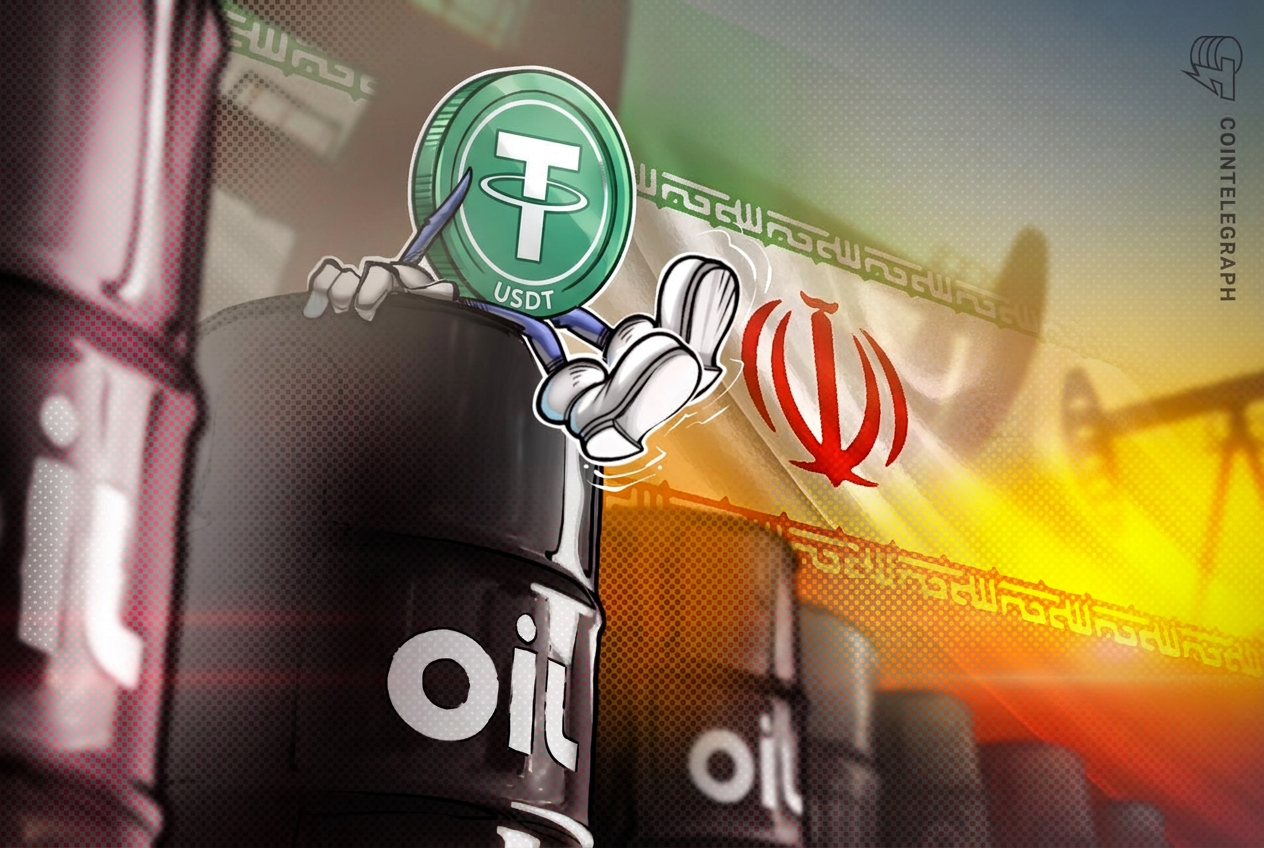 Tether froze $61.19 million across 10 Tron addresses in 2025 that prosecutors allege were connected to black-market Iranian oil proceeds. The US Department of Justice (DOJ) is seeking forfeiture of more than $61 million in Tether’s USDT stablecoin, alleging the funds came from black-market sales of sanctioned Iranian oil and were intended to finance Iran’s government and military, including the Islamic Revolutionary Guard Corps (IRGC). On Monday, the DOJ alleged that Blessed Trust and Hexa Whale, both incorporated in Hong Kong, used Binance accounts to move proceeds from oil sold to buyers in China. A network of related addresses allegedly received and distributed more than $1.5 billion, including transfers to IRGC-linked money-transfer businesses, cryptocurrency addresses and an Iranian exchange. A Binance spokesperson told Cointelegraph that Binance did not permit transactions with sanctioned individuals and would continue cooperating with law enforcement, including by investigating, restricting or freezin...
 -
CryptoSlate - 07:50 Sep 10, 2026
The USDT issuer will originate and advise on deals while Fasanara manages the $400 million-backed fund, which targets up to $3 billion from outside institutions. The post Tether is pushing USDT into a cracking $3 trillion Wall Street debt machine as defaults hit five-year highs at major funds appeared first on CryptoSlate. -
CoinDesk - 11:26 Aug 31, 2026
The Bank of Russia recently included ETH and USDT in a draft list of cryptocurrencies approved for public trading on Russian exchanges. -
Cointelegraph.com - 09:45 Aug 30, 2026
 Russia’s largest bank, Sber, plans to accept USDT and Ether alongside Bitcoin as loan collateral as the country introduces regulated crypto trading under a new law. Russia’s largest bank, Sber, plans to expand its crypto-backed lending to accept Tether’s USDt stablecoin and Ether as collateral alongside Bitcoin, according to a senior executive. Sber will adapt its existing products and gradually expand its offerings as Russia’s new crypto law takes effect, Deputy Chairman Anatoly Popov said, according to a Friday TASS report. The bank plans to add the assets as collateral after the Bank of Russia permits them for public trading, he said. The plans come as Russia rolls out a regulated crypto market under a law signed by president Vladimir Putin on Aug. 4, with core provisions taking effect Sept. 1. Read more
 -
Cointelegraph.com - 13:30 Aug 20, 2026
 USDT is disappearing from regulated European platforms, but there is little sign that it has resulted in weakening global demand for Tether. Europe’s crackdown on Tether’s USDT is entering a new phase. When Revolut told European users it would delist USDT after Aug. 31, it became another in a long line of European platforms restricting access to the world’s largest stablecoin as firms adapt to the requirements of the EU’s Markets in Crypto-Assets (MiCA) regulation. MiCA’s stablecoin rules have been phasing in since 2024, and the EU-wide transition period ended on July 1, putting further pressure on platforms to drop tokens that don’t meet the rules. Read more
 -
CoinDesk - 18:26 Aug 13, 2026
KPMG U.S. examined Tether's books and even counted its gold bars as the $180 billion USDT issuer said it completed its long-promised financial audit. -
CryptoSlate - 20:40 Aug 12, 2026
The Bank of Russia’s proposed gate caps non-qualified residents at ₽300,000 per broker while qualified investors retain broader access. The post Russia picks Bitcoin, Ethereum and USDT for public trading as retail faces $58,000 cap appeared first on CryptoSlate. -
Cointelegraph.com - 12:09 Aug 11, 2026
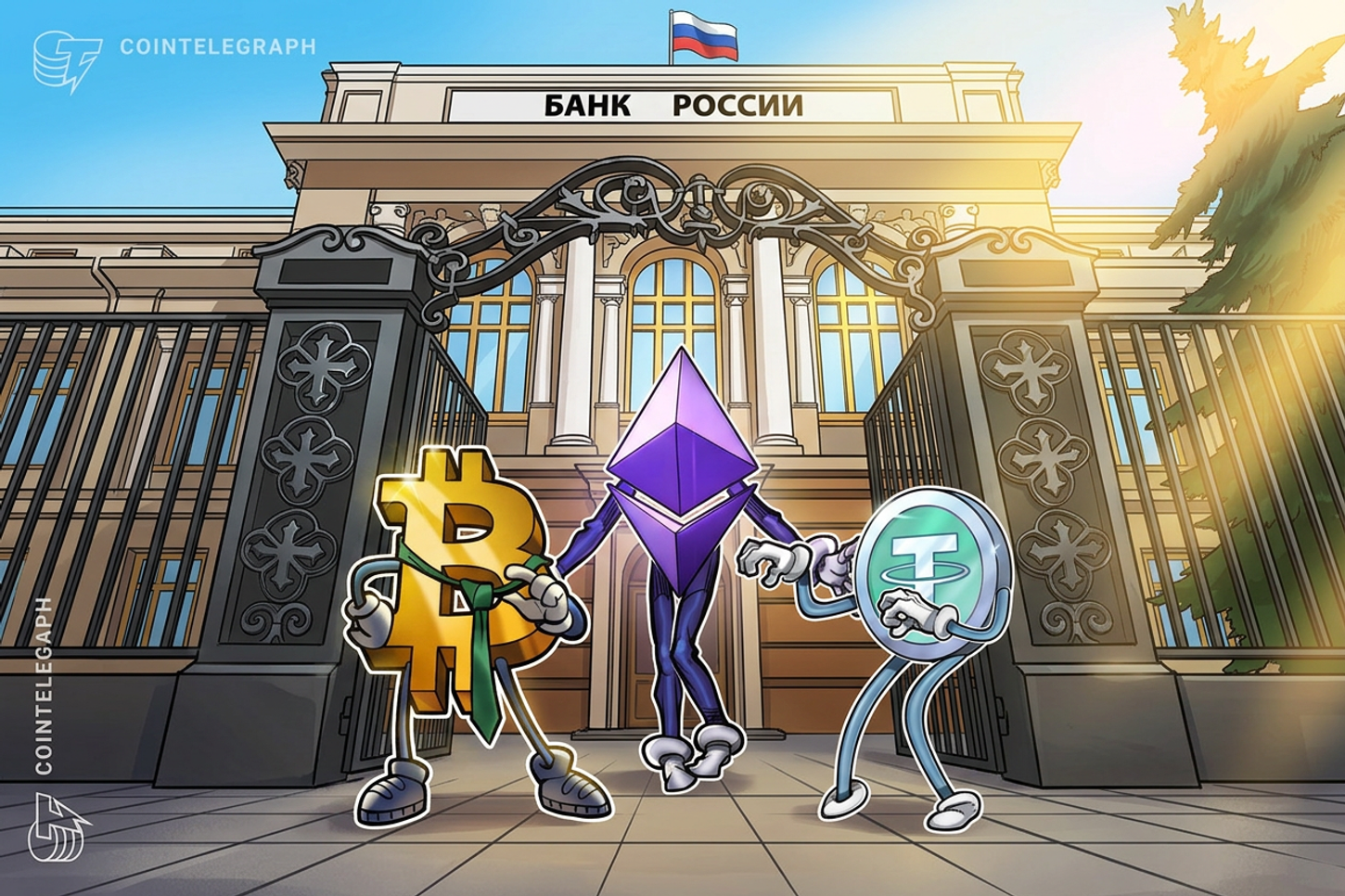 Russia’s central bank proposed allowing Bitcoin, Ether and USDT to trade on regulated exchanges, following a law signed by President Vladimir Putin last week. Russia’s central bank has compiled a proposed list of crypto assets that could be admitted to public trading on exchanges under new rules approved last week. The list includes Bitcoin, Ether and Tether’s stablecoin USDT, the Bank of Russia said Tuesday, adding that the assets meet criteria including market capitalization, average daily trading volume and at least five years of price history on overseas markets. The proposal follows a new law, signed by President Vladimir Putin on Aug. 4, that gives the Bank of Russia authority to determine which digital currencies can be admitted to organized trading and set related rules. Read more