July | Crypto
"July" in Crypto feed
-
Cryptonews.com - 09:57 Jul 02, 2026
Bitcoin price just reclaimed $60,000 after a 21-month low of $58K, and the Ethereum price tagged $1,600 in the bounce as OUSD launches. The post Crypto News, July 2: Circle USDC Hit by Blackrock and Ripple XRP Backed OUSD, Bitcoin and Ethereum Price Recovering appeared first on Cryptonews. -
Cointelegraph.com - 18:59 Jul 01, 2026
 Bitcoin bear-market bottom signs appear as the TD9 indicator mirrors the final stages of the 2022 BTC price downtrend. Bitcoin (BTC) has delivered a key trend change setup in the latest sign that the macro downtrend could soon reverse. Key points: Read more
 -
CryptoSlate - 13:30 Jul 01, 2026
Europe's crypto market resets on July 1, when MiCA's transitional period ends and unauthorized exchanges lose the legal right to operate in the EU. Whether the deadline holds depends on the app stores on European phones. Under the ESMA's June 23 statement, unauthorized crypto exchanges must immediately stop onboarding new EU clients, opening accounts, and […] The post MiCA’s July 1 deadline is Europe’s first crypto user-migration test – OKX interview appeared first on CryptoSlate. -
Cryptonews.com - 10:29 Jul 01, 2026
Bitcoin price is holding the $59K, Ethereum found what could be the bottom, and MiCA full enforcement just hit with almost no fireworks. The post Crypto News, July 1: Bitcoin Price Holds $59K as Ethereum Stays Steady on MiCA Day Zero appeared first on Cryptonews. -
CryptoPotato - 07:58 Jul 01, 2026
[PRESS RELEASE – Dubai, UAE, July 1st, 2026] Utorg, a crypto wallet and card platform built on institutional-grade infrastructure, today announced it has received full authorization under the EU’s Markets in Crypto-Assets (MiCA) regulation, effective July 1, 2026 – the date on which the industry’s transitional period ends and unauthorized providers can no longer legally […] -
CryptoSlate - 10:45 Jun 30, 2026
The EU deadline is not a direct UK cutoff, but account entity and platform notices still matter. The post Will UK traders lose crypto exchange access after MiCA’s July 1 deadline? appeared first on CryptoSlate. -
Cointelegraph.com - 19:59 Jun 29, 2026
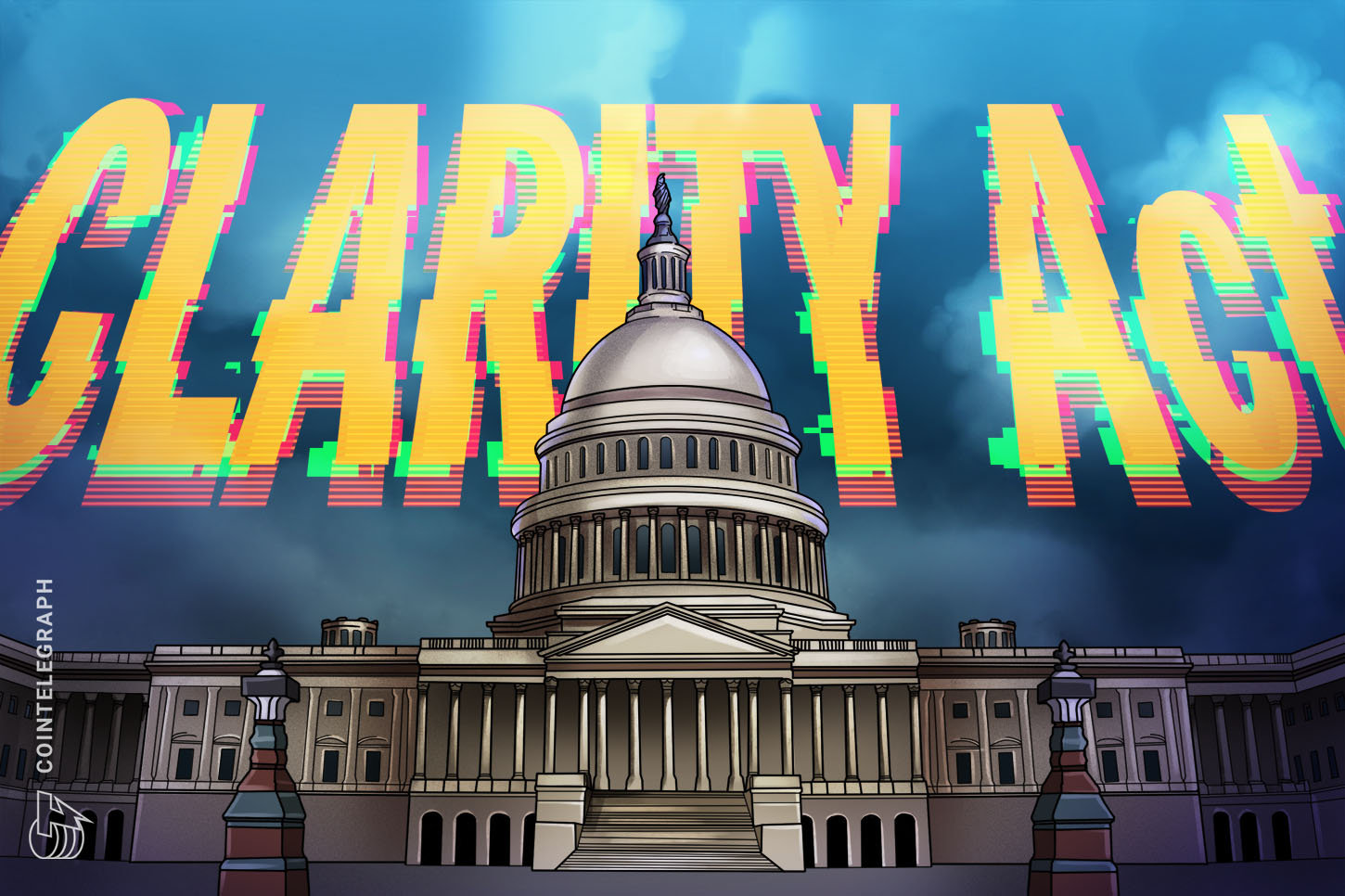 Lawmakers in the US Senate are on state work periods until July 13, giving them only four weeks to address a cryptocurrency market structure bill before another break and possible delays due to campaigning for elections. The path of the Digital Asset Market Clarity (CLARITY) Act, a bill intended to establish comprehensive guidelines for cryptocurrency regulation, remains uncertain with the US Congress set to break for another state work period in a matter of weeks. Since passage in the US House of Representatives in July 2025, the CLARITY Act has faced several hurdles advancing in Congress, from industry pushback on stablecoin rewards to lawmakers’ concerns about ethics. The bill passed the Senate Agriculture Committee in January and the Senate Banking Committee in May along party lines, setting it up for consideration in the full chamber. However, US President Donald Trump on Wednesday cancelled the signing ceremony for the 21st Century ROAD to Housing Act, a housing bill that received bipartisan support in ...
 -
Cointelegraph.com - 16:12 Jun 28, 2026
 Bitcoin’s past July gains and heavy short bets point to a rally toward $75,000, but a break below key support keeps the risk of $55,000 in play. Bitcoin (BTC) is heading for its worst monthly loss since mid-2022, with BTC down roughly 18.5% in June as price struggles to hold the psychological $60,000 support level. BTC/USD monthly chart. Source: TradingView Read more
 -
CryptoSlate - 18:00 Jun 26, 2026
The July 1 deadline will show whether licensed venues can absorb users without weakening execution or stablecoin access. The post Binance will be cut off from Europe on July 1 – Removes the “best liquidity in the world” says CZ appeared first on CryptoSlate. -
CryptoSlate - 18:15 Jun 25, 2026
Senator Cynthia Lummis told Fox Business on June 24 that negotiators expect final Senate compromise language around the July 4 recess and then plan to “move in July,” the most public deadline any sponsor has set for a bill that cleared the Senate Banking Committee in May. The declaration came before Senate Majority Leader John […] The post Cynthia Lummis gave CLARITY Act a July promise, but it still needs a Senate path appeared first on CryptoSlate. -
Cointelegraph.com - 08:47 Jun 23, 2026
Ripple secures preliminary CASP approval in Luxembourg ahead of July 1 MiCA deadline as companies race for EU crypto licensing. Luxembourg's financial regulator granted Ripple preliminary approval for a crypto asset service provider (CASP) license under the European Union’s Markets in Crypto-Assets Regulation (MiCA), the company said Tuesday. Ripple said in a statement that the approval, once finalized, would allow it to offer regulated crypto services to banks, fintechs and other businesses across all 30 countries in the European Economic Area (EEA) through a single regulatory passport. The move builds on Ripple's existing Electronic Money Institution (EMI) license in Luxembourg, which allows it to provide regulated cross-border payments and electronic money services across the EEA. The update comes just days before the July 1 transitional deadline, when EU countries begin fully applying MiCA rules. Read more -
Cointelegraph.com - 20:07 Jun 19, 2026
The Austrian authorization gives WhiteBIT access to the EU's unified crypto framework, which will require exchanges to hold MiCA licenses or stop serving clients after July 1. Crypto exchange WhiteBIT has obtained authorization under the European Union's Markets in Crypto-Assets Regulation (MiCA) from Austria's Financial Market Authority, allowing the company to offer regulated crypto services across the European Economic Area through a single license. Under MiCA, crypto companies authorized in one European Union member state can passport their services across the European Economic Area without obtaining separate licenses in each jurisdiction. WhiteBIT said the authorization will support the launch of a dedicated European platform, whitebit.eu. WhiteBIT said W Group, its parent company, serves more than 35 million customers globally. Founded in 2018, the exchange has partnerships with Visa, FACEIT, FC Barcelona, Juventus and Ukraine's national football team. Read more -
Cryptonews.com - 13:31 Jun 15, 2026
MiCA Deadline July 1: 83% of EU Crypto Firms Unlicensed The post 83% of Europe Crypto Firms Have Not Secured MiCA Licenses, And the July 1 Deadline Is Days Away appeared first on Cryptonews. -
Decrypt - 18:11 Jun 10, 2026
Botanix asked users to withdraw funds, disclosing plans to wind down its Bitcoin-based layer-2 network in July. -
CoinDesk - 10:39 Jun 05, 2026
Crypto is on course for its worst week since July 2024, with the ether price approaching a critical support as a zcash exploit and AI capital rotation pile on the pressure. -
Cointelegraph.com - 16:01 Jun 03, 2026
 The ESMA says crypto companies without MiCA authorization must stop serving EU clients from July 1, even if their licence applications remain under review. The European Union’s Markets in Crypto Assets Regulation hits a hard deadline on July 1 when the transitional period ends and in-scope crypto asset service providers operating under national regimes must either hold a MiCA licence or stop serving EU clients. A spokesperson from the European Securities and Markets Authority (ESMA) told Cointelegraph that from that date, non-authorized entities “will not be allowed to operate within the EU” and should implement wind-down and client migration plans rather than rely on open-ended transitional status while awaiting a decision. The deadline could force some crypto firms to suspend EU operations while their applications remain under review, potentially affecting millions of users who continue to engage with platforms that are not yet authorized under MiCA. Read more
 -
CryptoSlate - 12:55 May 29, 2026
Senate Banking cleared the CLARITY Act 15-9 on May 14, and within two weeks, President Donald Trump posted on Truth Social pledging to codify a “future-proof” digital asset market that haters could not undo, calling the US the “crypto capital of the world.” Crypto allies are using the timing to press the argument that a […] The post Trump’s crypto push hits the Senate vote math behind CLARITY Act’s July 4 target appeared first on CryptoSlate. -
Cointelegraph.com - 12:23 May 15, 2026
 South Korea's FSC is preparing detailed rules for tokenized securities before a legal framework for blockchain-based securities takes effect in February 2027. South Korea’s Financial Services Commission (FSC) plans to release detailed tokenized securities rules in July as the country prepares to bring blockchain-based securities under its capital markets framework in 2027. The measures are expected to include a roadmap for tokenizing stocks, bonds and money market funds, possible changes to over-the-counter trading limits and rules allowing some fractional investment products to pool similar underlying assets, the FSC announced on Friday at the second meeting of its public-private tokenized securities council, which was launched in March to design issuance, trading, infrastructure and settlement rules before the framework takes effect in 2027. “The goal is to make an announcement in July,” said FSC Vice Chairman Kwon Dae-young, adding that the new rules will serve for the “institutionalization” of tokenized s...
 -
Cointelegraph.com - 21:13 Apr 27, 2026
 Crypto ATM operators and businesses hosting the machines have until July 1 to be in compliance with the new law or risk potential fines and prison time. Tennessee Governor Bill Lee has signed a bill into law that will officially ban the use and installation of cryptocurrency ATMs and kiosks in the southeastern US state, leaving only a matter of weeks for companies to be in compliance. Lee signed Tennessee House Bill 2505 into law on April 13, making the installation of a cryptocurrency kiosk a Class A misdemeanor starting on July 1. The reclassification of the machines as illegal under state law would potentially put operators and businesses hosting the machines at risk of up to 11 months and 29 days in prison and a $2,500 fine. Source: Tennessee General Assembly Read more