Crypto
-
CryptoPotato - 21:36 Jul 17, 2026
Mobile wallets may offer a smoother experience, but critics warn they introduce a much broader attack surface than dedicated hardware. -
Decrypt - 20:17 Jul 17, 2026
ECB board member Piero Cipollone laid out the three-layer threat banks face from digital payments, and pitched the digital euro as the only structural answer. -
Cointelegraph.com - 20:03 Jul 17, 2026
 Galaxy Digital will rename Texas Tech’s football stadium under a 15-year agreement, expanding its West Texas presence as the state attracts growing crypto investment. Digital asset and AI infrastructure company Galaxy Digital has signed a 15-year naming rights agreement with Texas Tech, renaming the university’s football stadium Galaxy Stadium beginning with the 2026 season. The partnership also makes Galaxy the official data center and digital assets partner of Texas Tech Athletics, with the companies planning to collaborate on student-athlete name, image and likeness opportunities, artificial intelligence initiatives and workforce development programs. According to Friday’s announcement, the stadium will debut under its new name on Sept. 5, when Texas Tech opens its season against Abilene Christian. Financial terms of the agreement were not disclosed. Read more
 -
Cointelegraph.com - 19:33 Jul 17, 2026
 Through an introduction with a “reputable third-party service provider,“ the company took on a developer who, as part of an investigation, was revealed to be tied to North Korea. Blockchain company Consensys accidentally used a software developer linked to North Korea who had access to some of its systems for a month. First reported on Friday by Drop Site, Consensys earlier this year took on a software developer under the alias Tyler Knapp who was later discovered to have ties to the Democratic People’s Republic of Korea, or North Korea. The move caused the company to temporarily suspend product releases and conduct an investigation into the matter “‘Knapp’ was introduced to us through an existing relationship with a reputable third-party service provider and collaborated with Consensys as a consultant,” Consensys general counsel Matt Corva stold Cointelegraph. “He was never hired as a Consensys employee. Very quickly after being introduced, we discovered the threat, followed our security protocols, immediate...
 -
CryptoSlate - 19:25 Jul 17, 2026
Crypto.com and Kraken are pursuing the same tokenized-market expansion, while only one has disclosed Citadel’s operational role. The post Citadel backs two rival crypto exchanges with $600 million as both chase the same Wall Street prize appeared first on CryptoSlate. -
Cointelegraph.com - 19:23 Jul 17, 2026
 Bolivia moves to recognize USDT amid a dollar shortage, while Bitcoin miners’ AI ambitions face fresh investor scrutiny. Stablecoins have long been pitched as a faster way to move dollars across borders. In Bolivia, they’re increasingly becoming a way to access dollars in the first place. The country’s recent proposal to recognize Tether’s USDt (USDT) for payments underscores how economic instability is driving adoption in many emerging markets. Elsewhere, Bitcoin miners are discovering that pivoting to AI infrastructure may unlock new revenue streams, but it doesn’t shield them from investor scrutiny. Bolivia is considering a regulatory framework that would recognize Tether’s USDT as a payment currency, marking another step in the country’s push to integrate digital assets into its financial system. Read more
 -
CryptoSlate - 19:15 Jul 17, 2026
Summary: The fourth round of JST's buyback and burn has concluded with higher-than-expected results. A total of over 355 million JST tokens—valued at more than $34.59 million—were burned in this round, marking the highest single-round burn by value to date. On July 17, JST—the native token of TRON's decentralized finance (DeFi) infrastructure JUST—completed its fourth […] The post JST Hits Record Deflationary Milestone: Over 355M Tokens Burned as JustLend DAO Revenue Fuels Value Appreciation appeared first on CryptoSlate. -
Decrypt - 19:12 Jul 17, 2026
Input Output is handing its core infrastructure to outside teams as ADA gets a lift from an imminent protocol upgrade. -
CryptoPotato - 18:54 Jul 17, 2026
BTC tends to move south after such reports come out, but there's more to the story now. -
Cryptonews.com - 18:29 Jul 17, 2026
Gemini AI predicts remarkable Solana price increases ahead. Find out how market dynamics play a crucial role in these predictions. The post Google Gemini AI Reveals Shocking Solana Price Target for 2026 appeared first on Cryptonews. -
CryptoPotato - 18:05 Jul 17, 2026
Several market observers have labeled the meme coin a scam, warning investors to stay away from it. -
CoinDesk - 18:00 Jul 17, 2026
Polymarket bettors have cut the odds of the CLARITY Act passing this year to a record low as Senate negotiations over ethics provisions remain unresolved. -
Decrypt - 17:55 Jul 17, 2026
Moonshot AI's 2.8-trillion-parameter open-weight model sent chip stocks tumbling and gave Wall Street a Friday it would rather forget. -
CryptoSlate - 17:50 Jul 17, 2026
BTC PREF is expected to begin trading July 20, with any discount to SEK 120 lifting the indicated cash yield above 10%. The post Bitcoin treasury company offers 10% income and still can’t sell nearly half its shares appeared first on CryptoSlate. -
Decrypt - 17:36 Jul 17, 2026
Moonshot AI's 2.8-trillion-parameter model tops Fable 5 on a creative writing benchmark and leads Arena AI's frontend code leaderboard—at Claude Sonnet pricing. -
CoinDesk - 17:23 Jul 17, 2026
Crypto and blockchain experts say this week's moves show the two established finance companies are increasingly competing for control of the infrastructure behind digital payments. -
Decrypt - 17:09 Jul 17, 2026
The Nasdaq-listed digital-asset firm will rebrand the Red Raiders' home as "Galaxy Stadium." The bigger bet is on the cheap power and open land of West Texas. -
Cointelegraph.com - 16:54 Jul 17, 2026
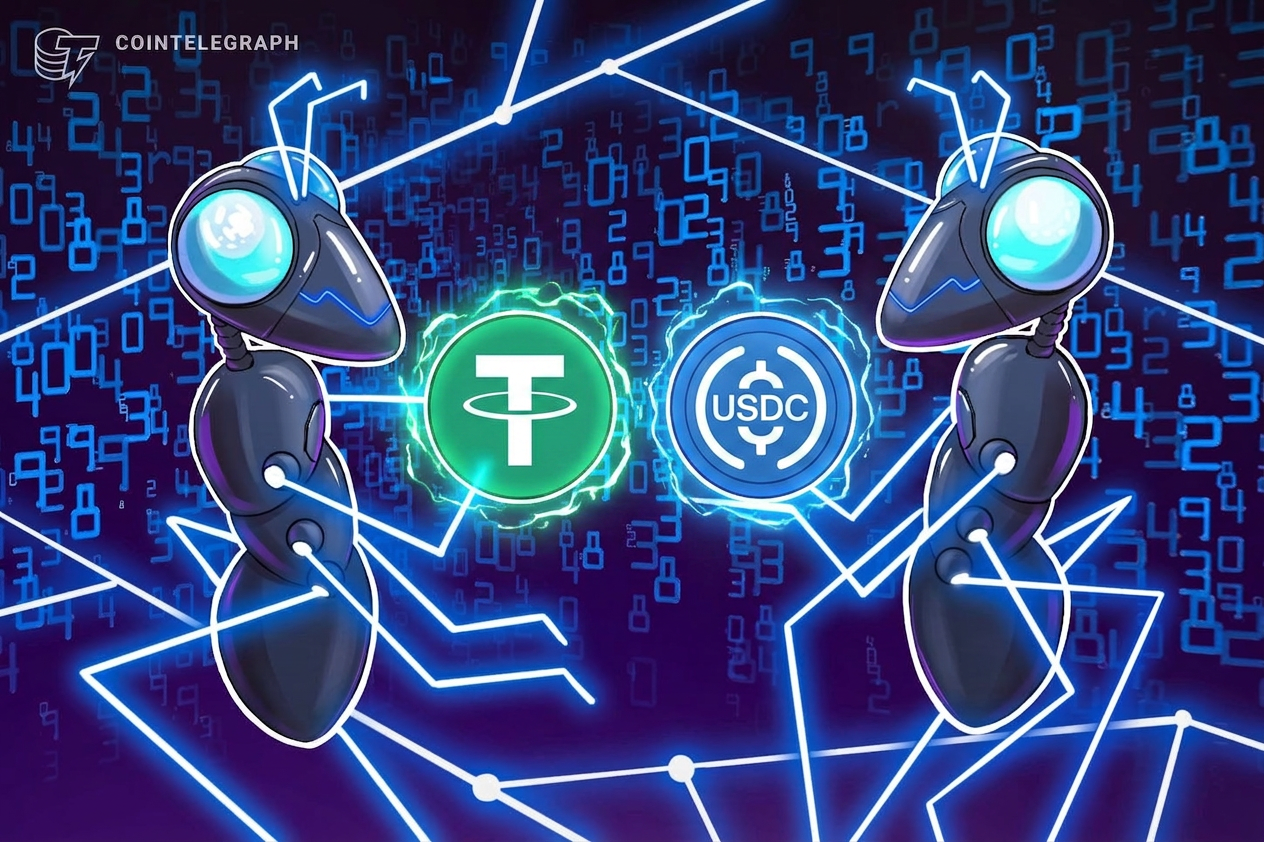 The feature offers European customers a voluntary path away from Tether’s USDT as MiCA rules reshape the region’s stablecoin market. OKX Europe has launched a one-way conversion feature allowing customers to deposit USDT and convert it into USDC, offering a regulated migration path as the European Union’s Markets in Crypto-Assets (MiCA) rules limit support for the world’s largest stablecoin. According to a company announcement shared with Cointelegraph, the feature lets customers deposit Tether’s USDt (USDT) into their OKX Europe account and convert the tokens into USDC (USDC), one of the largest stablecoins available under the European Union’s MiCA framework. Tether has not obtained authorization to issue USDT under MiCA, prompting many European platforms to restrict deposits, delist trading pairs or convert customer balances into compliant alternatives as the European Union completed the framework’s rollout on July 1. Read more
 -
CryptoSlate - 16:50 Jul 17, 2026
More than a dozen speeches are alleged, but no cited report dates the first alert, restriction, or CFTC referral. The post Trump aide allegedly made $100K betting on 12 speeches before anyone knew – then Kalshi stepped in appeared first on CryptoSlate. -
Cointelegraph.com - 16:48 Jul 17, 2026
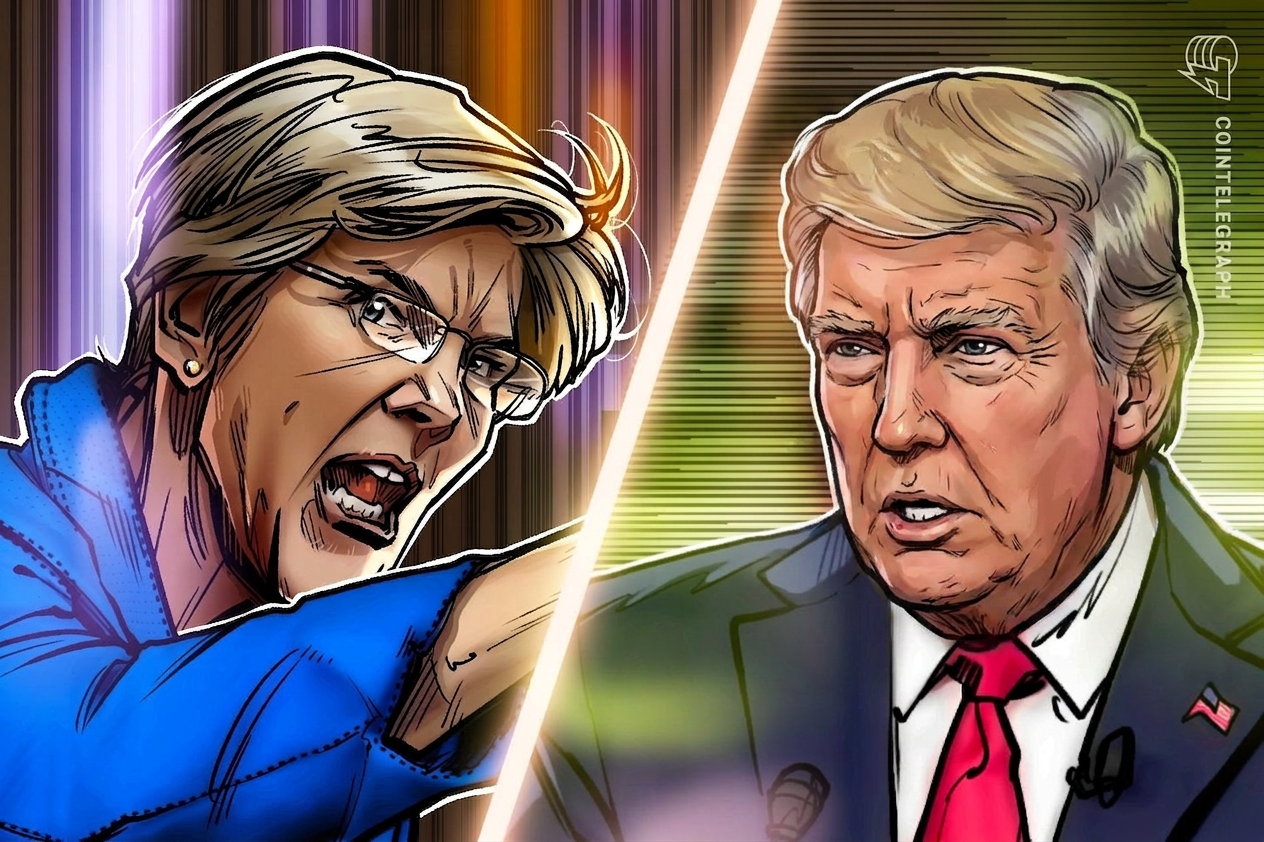 With the Senate likely voting on a crypto bill within days, Elizabeth Warren asked for information on Donald Trump’s earnings between January and July ahead of a 2027 deadline. Senator Elizabeth Warren, one of the more outspoken voices in the US Congress associating digital assets with illicit activities, has called on President Donald Trump to release additional information on his crypto investments ahead of a mandated deadline. In a Thursday letter, Warren requested Trump voluntarily release a financial disclosure report on his earnings related to cryptocurrency between Jan. 1 and July 15. The request came after Trump’s 2025 financial disclosures showed he had earned $1.4 billion from crypto-related ventures in 2025, including through his memecoin, Official Trump (TRUMP), and his family’s company World Liberty Financial. “Your financial disclosure raises key questions about the appropriateness of Presidents, Vice Presidents, senior administration officials, members of Congress, and their families profiting ...