Cointelegraph.com
Source:
https://cointelegraph.com
Found 11864 news
-
Cointelegraph.com - 04:33 Sep 04, 2026
 The agreement includes parallel investigations and information sharing, with US and UK authorities planning a private-sector disruption operation in London in October. The United States and United Kingdom have formed a joint law enforcement alliance targeting scam centers involved in crypto and cyber-enabled investment fraud. On Thursday, the US Department of Justice announced that the US Attorney’s Office for the District of Columbia, the Crown Prosecution Service of England and Wales and the UK National Crime Agency had signed a memorandum of understanding. The DOJ described it as the “first-of-its-kind” international cooperation agreement aimed at disabling such scam centers. Under the agreement, the agencies will conduct parallel investigations into common targets, share information on organized crime syndicates and discuss which jurisdictions should prosecute specific cases. The DOJ said the authorities have already identified overlapping cases and plan an in-person disruption operation with private-sec...
 -
Cointelegraph.com - 23:40 Sep 03, 2026
 Thai businessmen sue Tether over $42M frozen USDT tied to pig butchering scam, Aussie crypto firms face big fines unless they meet licensing deadline. THAILAND Two Thai businessmen have sued stablecoin issuer Tether in a New York district court, claiming it illegally froze $42.4 million in Tether USDt (USDT) in October, as part of a broader case tied to a pig butchering scheme. The plaintiffs claimed that Tether illegally froze the $42 million without a warrant in October 2025, following an informal request from US Homeland Security Investigations. Read more
 -
Cointelegraph.com - 21:09 Sep 03, 2026
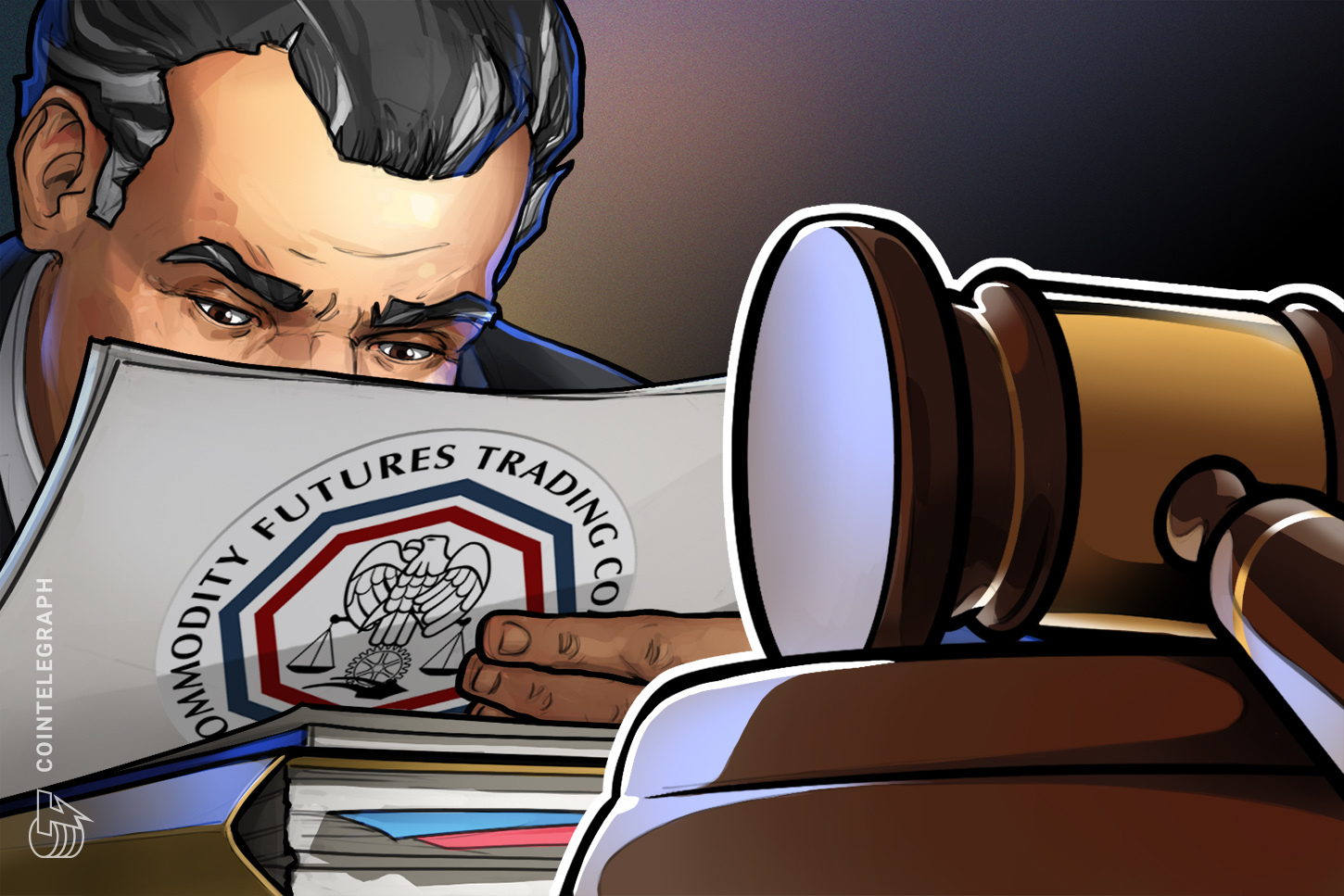 The CFTC’s lawyers called the lawsuit “much ado about nothing,“ claiming that the CME Group lacked standing to file and argued against its claims over crypto perpetual futures. The US Commodity Futures Trading Commission (CFTC) has filed a motion to dismiss a civil suit filed by the Chicago Mercantile Exchange (CME) Group, which claimed that the regulator’s treatment of cryptocurrency “futures” as “swaps” went against Congress. In a Wednesday filing in the US District Court for the District of Columbia, lawyers representing CFTC Chair Michael Selig and the commission requested a hearing to address the motion to dismiss the CME lawsuit, claiming the group lacked standing. CME filed suit against the CFTC in June after the commission approved perpetual futures contracts tied to the spot price of Bitcoin (BTC) for prediction markets platform Kalshi and issued a no-action position for similar products on cryptocurrency exchange Coinbase. The June complaint argued that Selig had unilaterally acted without a full p...
 -
Cointelegraph.com - 19:36 Sep 03, 2026
 Mantle has added Paxos-issued USDG as a natively minted stablecoin while joining the network’s reward-sharing structure. Paxos-issued stablecoin USDG has launched natively on Mantle, with the Ethereum layer-2 network joining the Global Dollar Network as a partner, according to a Thursday announcement. The integration makes USDG one of the first stablecoins to be natively minted on Mantle and brings the network into USDG’s reward-sharing structure. As a partner, Mantle can receive a share of the rewards generated by USDG activity, joining a network of more than 150 partners, including Kraken and Robinhood. USDG has a market capitalization of about $3.18 billion, making it the seventh-largest stablecoin tracked by DefiLlama. The stablecoin is issued by Paxos and operates under regulatory frameworks in Singapore and the European Union, with Paxos publishing monthly reports on its reserves. Read more
 -
Cointelegraph.com - 19:11 Sep 03, 2026
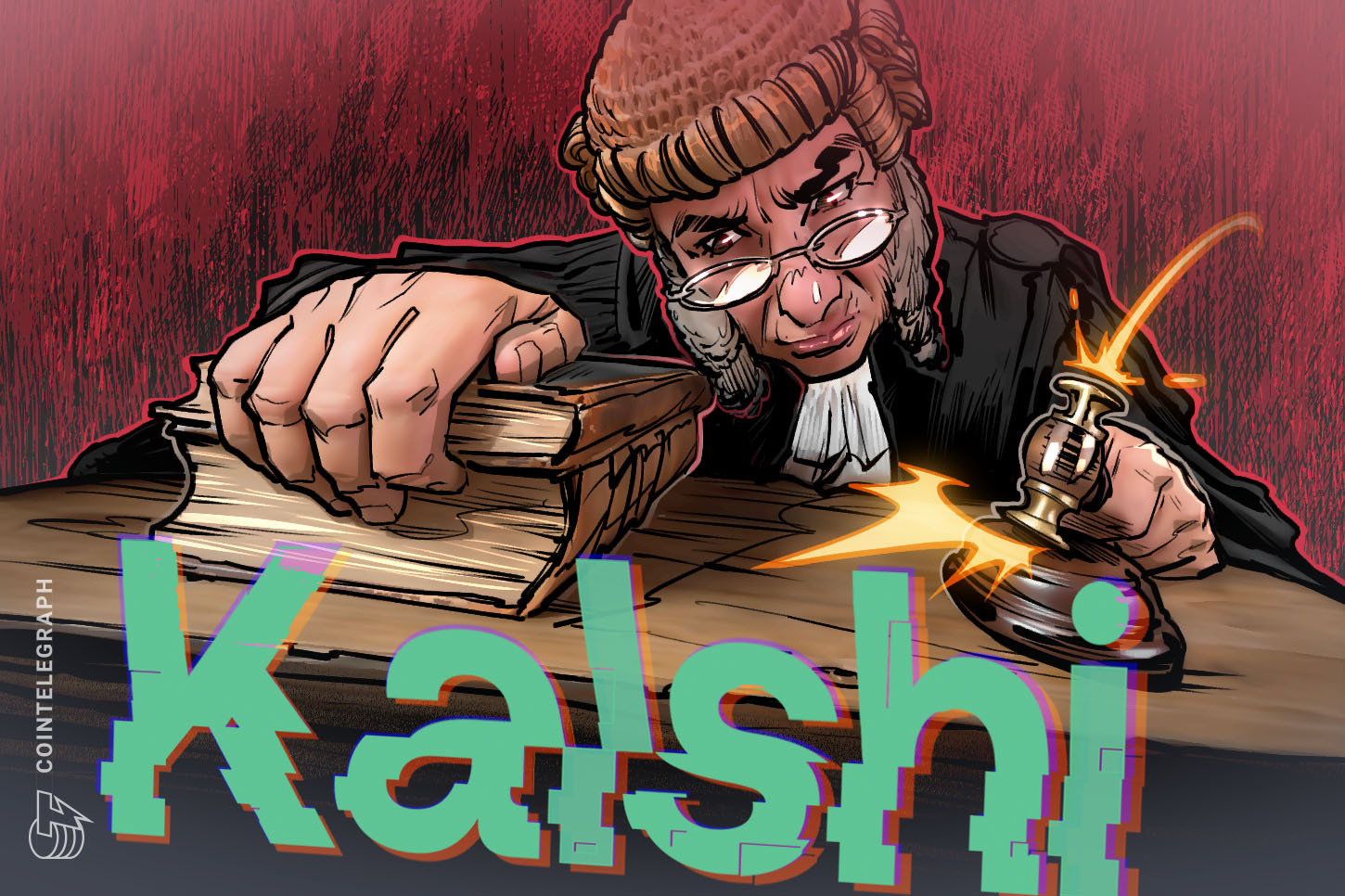 Kalshi previously said it had been placed in an “impossible position” after federal authorities directed the company to ignore a Michigan restraining order issued in June. Update (Sept. 3, 9:20 pm UTC): This article has been updated to include a statement from Kalshi. Michigan’s attorney general announced that a state court had ordered a preliminary injunction against Kalshi, blocking the prediction markets platform for residents amid what officials called “sports betting [...] masquerading as an investment opportunity.” In a Wednesday notice, Attorney General Dana Nessel said that the Circuit Court for the 30th Judicial Circuit in Ingham County approved an order blocking Kalshi from offering event contracts to state residents. The company could be fined up to $500,000 per day for violations. Read more
 -
Cointelegraph.com - 18:44 Sep 03, 2026
 Bitcoin rallied 5% to reclaim $80,000 as the US dollar weakened amid a suspected Bank of Japan currency intervention, though analysts remain split on the impact. Bitcoin (BTC) rallied 5% during US trading hours, reaching $81,000. Key points: At the time of writing, BTC stands at $81,000, near the highs seen during last month’s surprise upside. Read more
 -
Cointelegraph.com - 17:13 Sep 03, 2026
 The integration lets Bybit users spend digital assets directly from their exchange balances across Mesh-powered platforms. Bybit Pay, the payments arm of crypto exchange Bybit, has integrated with crypto payments infrastructure provider Mesh, allowing users to make payments and fund accounts on supported platforms directly from their Bybit balances. The integration lets Bybit users select Bybit Pay at checkout or when funding an account without first withdrawing or transferring assets to another platform. For businesses already integrated with Mesh, Bybit Pay can be added as a payment option through their existing integration, giving them access to Bybit’s claimed 80 million users. Bybit said the integration also supports programmable settlement options, allowing businesses to control how and when payments are settled across different markets. Read more
 -
Cointelegraph.com - 17:06 Sep 03, 2026
 The UK political party and its leader, Nigel Farage, have accepted contributions from figures tied to the crypto industry, raising questions about potential influence on policies. Records from the UK’s Electoral Commission showed that BitMEX co-founder Ben Delo’s contributions to the country’s Reform party made up about three-quarters of the $7.3 million it received in the second quarter of 2026. As of Thursday, the Electoral Commission showed that Delo had made two separate contributions to Reform UK of 1 million and 3 million pounds — about $1.3 million and $4 million, respectively — in April. While the political party also received significant contributions from entities and individuals between April and June 2026, Delo’s donation amounted to 74% of all funds reported in the second quarter. Source: UK Electoral Commission Read more
 -
Cointelegraph.com - 16:04 Sep 03, 2026
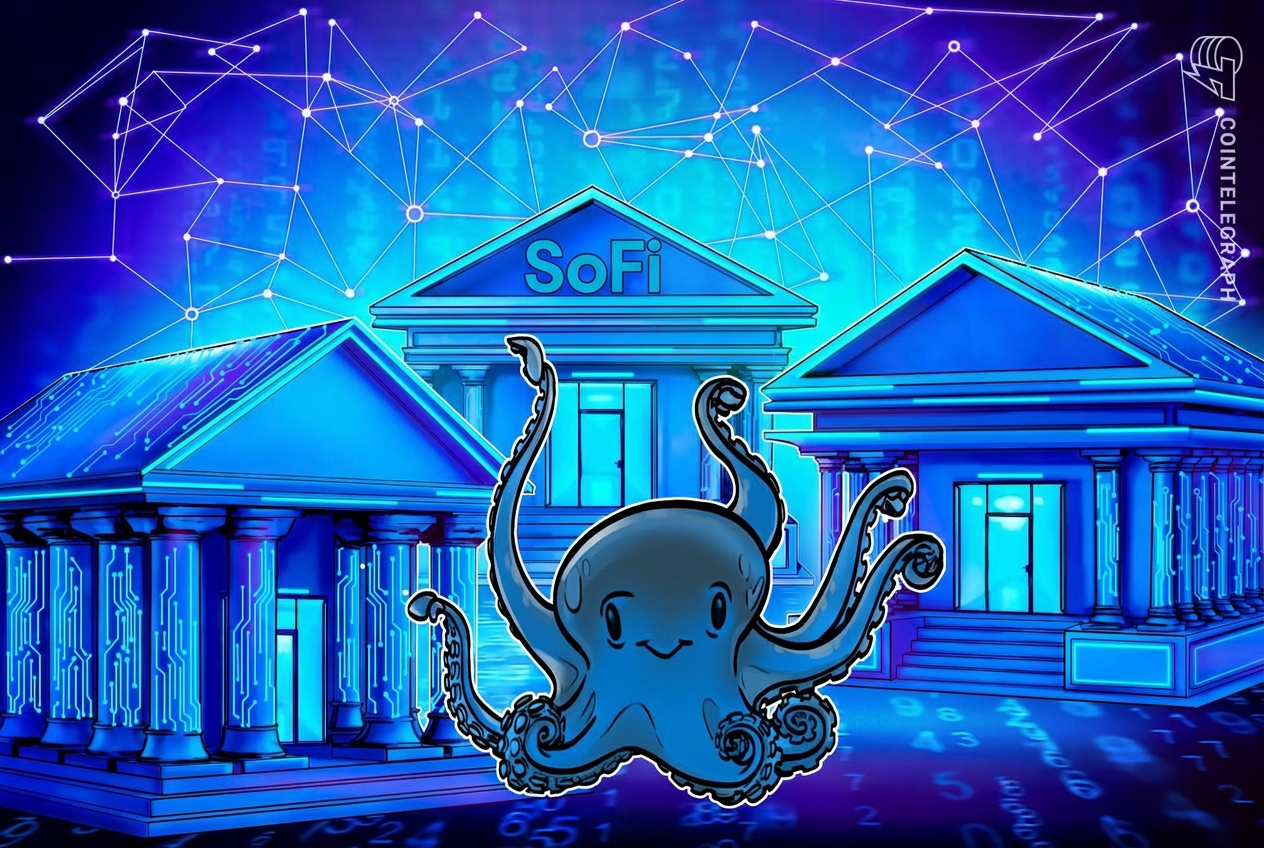 The deal will bring SoFiUSD to Kraken, connect Payward to SoFi’s 24/7 dollar settlement network and give SoFi access to digital asset liquidity through Kraken Prime. Kraken parent Payward has partnered with SoFi in a deal that will bring SoFiUSD to Kraken and connect the crypto platform to SoFi’s 24/7 dollar settlement network. Under the partnership, SoFi will use Kraken Prime as an additional source of digital asset liquidity, while Payward will join the SoFi Exchange Network (SEN) and gain access to SoFi’s business banking services. The companies said qualified custody services could be added as the partnership expands, while Kraken’s institutional and business clients will gain access to SEN for round-the-clock US dollar settlement. Read more
 -
Cointelegraph.com - 13:30 Sep 03, 2026
 Crypto recovery specialists reveal how lost wallets, passwords and seed phrases can sometimes be recovered — but that’s of no help if the money was never there in the first place. When a client named Rusty contacted crypto recovery specialist Chris Brooks in 2021, he said he and two others had won 5,000 Bitcoin in a court case, worth around $53 million at the time. They immediately set up a Zoom call to discuss the case. “There were three guys on the call, and one of them holds up a phone. It has like $53 million in a Bitcoin address,” says Brooks, founder and chief executive of CryptoAssetRecovery.com. Read more
 -
Cointelegraph.com - 13:00 Sep 03, 2026
 VARA and Securitize signed an MoU to foster more tokenization innovation in Dubai and explore how tokenized financial innovation should be regulated in the region. Dubai’s Virtual Assets Regulatory Authority (VARA) and BlackRock-backed tokenization platform Securitize signed a Memorandum of Understanding (MoU) to advance tokenization and digital asset infrastructure across the United Arab Emirates and Dubai. The MoU will establish a collaborative framework to support regulated tokenization initiatives, foster institutional participation and strengthen Dubai’s digital asset ecosystem, the companies said in a Thursday announcement shared with Cointelegraph. VARA and Securitize seek to support tokenization initiatives in Dubai, including projects initiated by VARA, to attract more talent and explore how tokenized financial products should operate under Dubai’s regulatory framework. Read more
 -
Cointelegraph.com - 12:41 Sep 03, 2026
 Nvidia agreed to buy Hugging Face for $12.93 billion, gaining a platform used by more than 18 million developers to share and deploy AI models. Update (Sept. 3, 1:30 PM UTC): This article was updated to clarify details of the acquisition. Nvidia has agreed to acquire Hugging Face for $12.93 billion, extending its reach into the software and tools developers use to build artificial intelligence. The chipmaker agreed to acquire Hugging Face, which serves more than 18 million developers and hosts over 3 million models, Nvidia CEO Jensen Huang said in a Thursday announcement. Read more
 -
Cointelegraph.com - 10:59 Sep 03, 2026
 Pencil Finance said that its first-of-a-kind loan offered financing to 6,600 students in Southeast Asia who were underserved by traditional lenders. Student loan real-world asset (RWA) protocol Pencil Finance completed a $1 million onchain student loan cycle, offering financing to thousands of students in Southeast Asia who were underserved by traditional lenders. Pencil said it completed its first fully onchain student loan cycle on the blockchain, where the platform deployed $1 million in capital as a lender that was repaid by borrowers to the bundle’s funders with yield, the company revealed in a Thursday announcement shared with Cointelegraph. The bundle was funded in July 2025 by Animoca Brands, Open Campus and New Campus, structured as a senior tranche with fixed returns and a junior tranche with variable returns and first-loss risk. Read more
 -
Cointelegraph.com - 10:15 Sep 03, 2026
 Standard Chartered said it is the first major global bank to offer institutional access to spot Bitcoin and Ether trading in the UAE region. London-headquartered multinational bank Standard Chartered has launched spot Bitcoin and Ether trading for institutional clients in the United Arab Emirates (UAE), through its entity regulated by the Dubai International Financial Centre (DIFC). The move makes Standard Chartered the first global bank to offer institutional digital asset trading in the region and the first Global Systemically Important Bank (G-SIB) with a similar offering, the bank said in a Thursday announcement shared with Cointelegraph. Eligible institutional clients will be able to access spot Bitcoin (BTC) and Ether (ETH) trading through Standard Chartered’s electronic trading channels integrated into the bank’s existing platforms. Read more
 -
Cointelegraph.com - 09:31 Sep 03, 2026
 The third-wave Coldcard exploiter moved about 10% of stolen funds through THORChain as researchers traced the assets to a new Ethereum address. A hacker linked to the third wave of Coldcard wallet thefts has started swapping stolen Bitcoin for Ether through THORChain. Galaxy head of research Alex Thorn took to X on Wednesday to report that the third-wave exploiter moved about 10% of the stolen funds, with 90% remaining untouched. Thorn said it marked the first time funds from any of the three waves had moved onchain from the original hacker addresses. “The hacker appears to be having some issues swapping all the funds through THORChain — they keep getting refunded and he keeps retrying,” he said. Read more
 -
Cointelegraph.com - 09:28 Sep 03, 2026
 Kalshi reportedly plans to file for approval of a WTI crude oil perpetual futures contract that would trade around the clock five days a week without an expiration date. Prediction market operator Kalshi will reportedly seek regulatory approval for a West Texas Intermediate (WTI) crude oil perpetual futures contract that never expires. The contract could be filed with the Commodity Futures Trading Commission (CFTC) as soon as next week, a person familiar with the matter told Bloomberg. It would trade 24 hours a day, five days a week, according to Reuters. If approved, it would be the first oil-linked perpetual futures product to trade on a regulated US platform. Read more
 -
Cointelegraph.com - 07:47 Sep 03, 2026
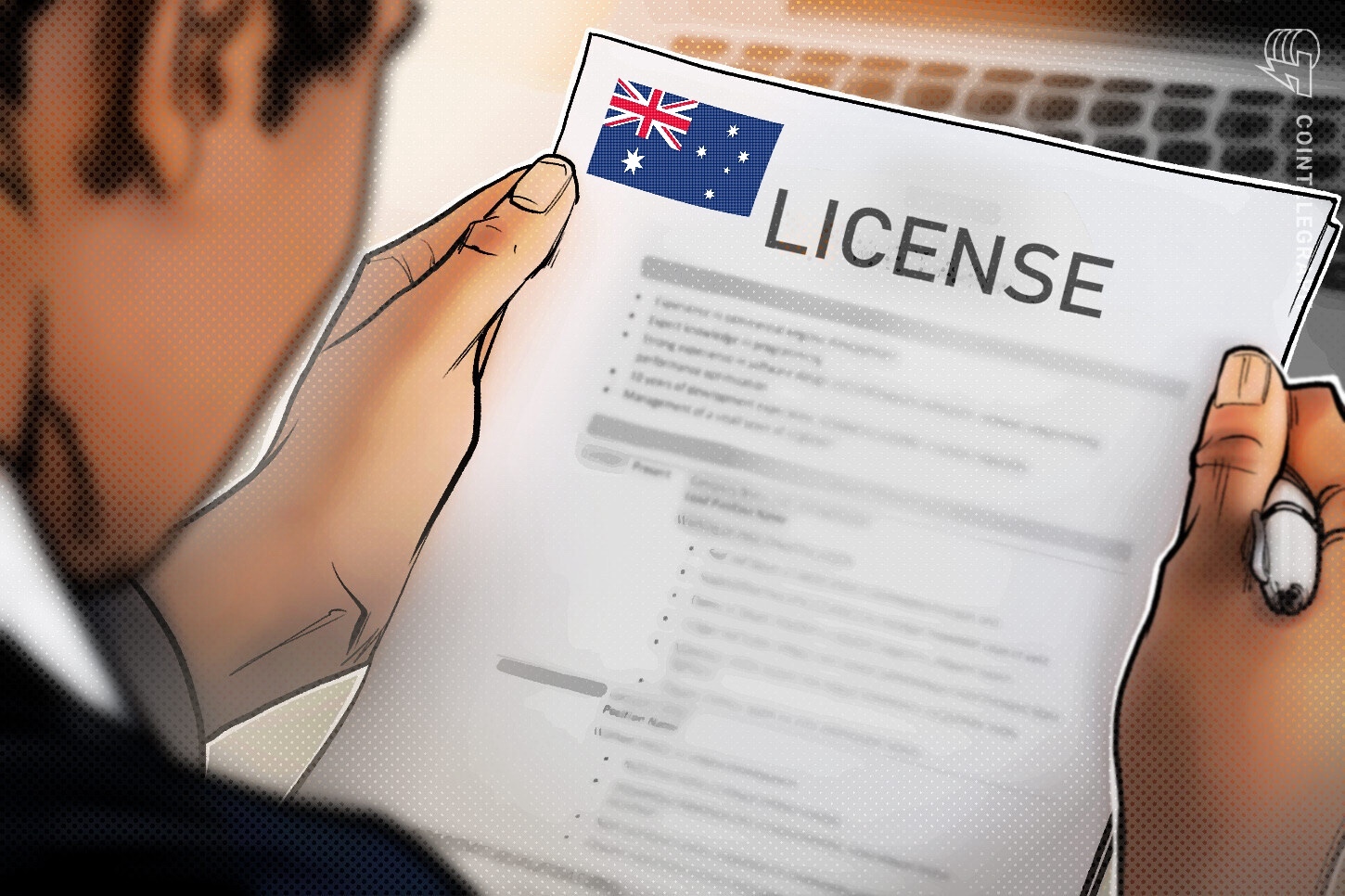 ASIC has recorded more than 45 digital asset-related license applications as its temporary enforcement relief approaches Sept. 30 expiration. Australian crypto companies relying on temporary regulatory relief have until Sept. 30 to apply for a financial services license or risk penalties, including fines reaching 10% of their annual turnover. On Wednesday, the Australian Securities and Investments Commission (ASIC) said businesses requiring an Australian Financial Services license must apply for one or seek changes to an existing license before the deadline. Firms requiring market or clearing and settlement licenses must also notify the regulator and hold a pre-application meeting. Starting Oct. 1, companies that require authorization but have not met the conditions of ASIC’s no-action position could be operating in breach of financial services law. The regulator said they may face civil and criminal penalties. Read more
 -
Cointelegraph.com - 07:22 Sep 03, 2026
 Ether ETFs posted $48 million in outflows after attracting $1.62 billion over 12 trading days, while XRP funds ended an 11-session inflow run. US-listed spot Ether and XRP exchange-traded fund (ETF) inflow streaks ended on Wednesday, marking a reversal after sustained demand. Spot Ether ETFs recorded $48 million in net outflows on Wednesday, ending 12 consecutive trading days of inflows, according to SoSoValue data. The funds had attracted $1.62 billion during the streak. BlackRock’s iShares Ethereum Trust ETF (ETHA) led Ether fund outflows with $53.4 million, while the Fidelity Ethereum Fund (FETH) lost $26.2 million and the Grayscale Ethereum Staking ETF (ETHE) shed $23.5 million, according to Farside Investors data. BlackRock’s staked Ether ETF (ETHB) partially offset those withdrawals with around $53 million in net inflows. Read more
 -
Cointelegraph.com - 04:57 Sep 03, 2026
 Hyperscale Data’s Bitcoin holdings have fallen about 79% since late July to 215 BTC as it redirects capital toward its Michigan AI data center. Hyperscale Data has ended all Bitcoin mining operations at its Michigan facility as it prepares the site for an artificial intelligence data center customer. On Wednesday, the company said that all Bitcoin miners at the facility were switched off following an inspection by the unidentified California-based neocloud provider. Hyperscale said it intends to sell the associated mining equipment. Hyperscale said the AI customer has contracted for 20 megawatts (MW) of computing capacity under a 10-year master services agreement with two optional five-year extensions. The agreement may generate more than $1.2 billion over the maximum 20-year term. An additional 32 MW option could lift potential revenue above $3 billion, while the site is expected to support 340 MW. Read more
 -
Cointelegraph.com - 21:27 Sep 02, 2026
 Federal authorities and private-sector partners were part of an operation to disrupt malware that redirected about $150,000 in crypto over the last eight years. Federal law enforcement officials, working with cybersecurity technology company CrowdStrike, announced action against entities behind malware that enabled the theft of $150,000 in cryptocurrency. In a Tuesday notice, the US Justice Department said it had disrupted the Sality botnet and malware in an international effort with Bulgarian, Hungarian and Romanian officials, as well as private sector partners CrowdStrike and the Shadowserver Foundation. US officials said that Sality was responsible for installing malware on compromised devices since 2003, resulting in crypto theft and cyberattacks. CrowdStrike reported that in the previous eight years, the entities behind Sality used EggJagger, a “clipjacking tool that monitors the clipboard for cryptocurrency wallet addresses and silently replaces them with addresses controlled by the operator,” to steal...
11864 items